What plant is Cuban oregano? Introduction to Cuban oregano and other plants of its family and genus
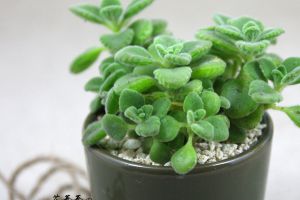
Other names of Cuban oregano
Because the whole plant is fuzzy, it is called fuzzy-leaved spurflower; because fragrance is produced upon touch, it is also called touch-me-fragrance (Chu Liuxiang) or a touch of fragrance. Of course, in many regions it is also called: left-hand fragrance, foreign mint, upside-down-hand fragrance, ageratum, fragrant herb, Indian mint, passing-hand fragrance, mint left-hand fragrance.
Habits of Cuban oregano
It has many branches, and the whole plant is covered with fine white fuzz. Touching it releases a rich fragrance.
It likes light and can be grown in sunlight all year round, but it is also fairly shade-tolerant.
It likes warmth and fears cold. It can only survive the winter when temperatures are above 0°C.
It likes loose, well-drained soil and prefers a relatively dry environment; excessive moisture easily causes root rot and death.
Flower language of Cuban oregano
Happiness, good fortune and good wishes, optimism, and a loving heart.
Why Cuban oregano only becomes fragrant after being touched
The reason Cuban oregano releases fragrance is similar to the principle behind the "shyness" of mimosa: when its leaves are stimulated by touch, the water inside the cells reacts, changing the turgor pressure of the pulvinus. Unlike mimosa, the leaves of Cuban oregano do not shrink under the effect of turgor pressure; instead, the stomata inside used for gas exchange expand, and a volatile substance with an apple fragrance diffuses into the air through the stomata. In fact, Cuban oregano also releases a faint fragrance at ordinary times, but this fragrance is relatively weak and not easily noticed. When its leaves are touched, the leaf stomata expand and the fragrance is released and smelled by people, giving the impression that it becomes fragrant as soon as it is touched.
Value of Cuban oregano
Ornamental value: potted ornamental plant. It can be placed in a high spot or hung indoors, and can also accent a table or desk. The leaves can be used to make tea or steep wine, and can also be used in cooking.
Medicinal value: taking the juice with honey raw can relieve sore throat; drinking it as hot tea can relieve stomach bloating; mashing it and applying it externally can reduce inflammation and relieve pain.
Related Articles
- How to prevent and control pests and diseases on desert rose? Ventilation and dryness are the key to prevention
- The three main causes of cotton diseases: climate, seeds and cultivation
- How to Grow Bird's Nest Fern in Water? Master Temperature, Light, and Water Change Techniques
- A Complete Guide to Identifying and Controlling Common Potted Flower Pests
- Do Carnivorous Plants Need Watering? Pot Watering and Wet/Dry Assessment Methods
- How to manage cotton during the flowering and boll-setting stage? Apply flowering and boll fertilizer heavily, use chemical regulation and pruning to prevent premature senescence
- How to Grow Chinese Hibiscus? Master These 5 Key Points for Blooms All Year Round
- How to Grow Tulips in Water? The Complete Process from Bulb Preparation to Blooming