What plant is Sempervivum arachnoideum? Introduction to a Crassulaceae succulent variety
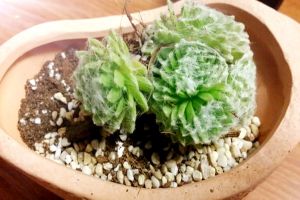
Common names of Sempervivum arachnoideum
Sempervivum arachnoideum is commonly known as spider web hen and chicks.
Habits of Sempervivum arachnoideum
Sempervivum arachnoideum is a succulent plant of the genus Sempervivum in the Crassulaceae family, and summer is its vigorous growth period.
Sempervivum arachnoideum is native to Europe and likes a warm, dry, sunny environment. The most suitable temperature for growth is 18~22°C.
It is drought-tolerant and tolerant of partial shade, and can also take all-day sunlight. It likes a relatively dry environment, so water sparingly and keep the potting soil dry.
In home care it is commonly propagated by sowing and cuttings. The main pests and diseases are leaf spot and whitefly.
Care tips for Sempervivum arachnoideum
Watering: during the growing period keep the potting soil slightly moist; overly wet potting soil makes the leaves grow rapidly and reduces the ornamental effect. In winter, when temperatures are lower, the potting soil is better kept slightly dry. When watering, do not water directly into the center of Sempervivum arachnoideum, so as to avoid the web-like material disappearing and spoiling its appearance.
Fertilizing: fertilize once a month, using diluted cake fertilizer or a special organic fertilizer for succulents. When fertilizing, apply thin fertilizer frequently, so as to avoid excessive fertilizer causing leggy leaves and an aged plant.
Repotting: repot Sempervivum arachnoideum once every two years, and replace the soil at the same time. For the potting soil, use evenly mixed leaf mold and coarse sand, with a small amount of bone meal added.
Propagation methods of Sempervivum arachnoideum
Sowing: sow indoors in pots in spring. Spread the seeds evenly over the soil, with no need to cover them with soil, and place a layer of quartz sand around them. Keep the temperature at 20~22°C, and the seeds will germinate in 10~12 days after sowing. The seedlings grow slowly, and after they grow into young plants they can be divided into pots and replanted.
Cuttings: take cuttings in spring and autumn. Cut off the small offsets at the base of the leaf rosette and insert them into the soil; they will root in 2~3 weeks, and after another intermediate week they can be transplanted into pots. Alternatively, break off a leaf rosette that has a rhizome and pot it directly.
Suggested planting combination: Frithia pulchra.
Related Articles
- How to prevent and control pests and diseases on desert rose? Ventilation and dryness are the key to prevention
- The three main causes of cotton diseases: climate, seeds and cultivation
- How to Grow Bird's Nest Fern in Water? Master Temperature, Light, and Water Change Techniques
- A Complete Guide to Identifying and Controlling Common Potted Flower Pests
- Do Carnivorous Plants Need Watering? Pot Watering and Wet/Dry Assessment Methods
- How to manage cotton during the flowering and boll-setting stage? Apply flowering and boll fertilizer heavily, use chemical regulation and pruning to prevent premature senescence
- How to Grow Chinese Hibiscus? Master These 5 Key Points for Blooms All Year Round
- How to Grow Tulips in Water? The Complete Process from Bulb Preparation to Blooming