Detailed Explanation of Key Techniques for Planting Nursery Stock and Flowers
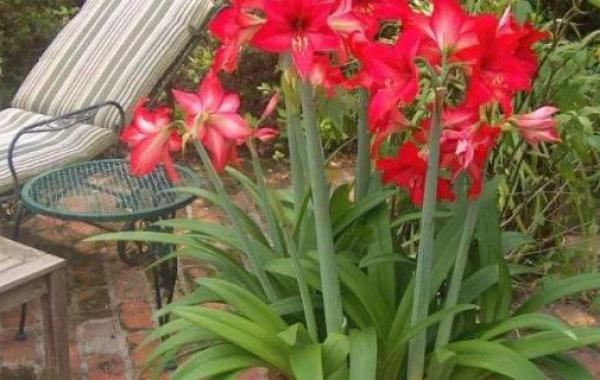
After properly pruning the roots of the nursery stock and flowers, use one packet of "rapid rooting powder" mixed with 1.5-2 kg of water, then soak the roots for 1-2 hours. Place a layer of humus soil at the bottom of the prepared flower pot, transplant the nursery stock into the pot, loosen the soil appropriately to spread out the flower seedling roots, and water to keep the soil moist. In the early stage, use a spray bottle to periodically mist the branches. Later, depending on the temperature, water once every 5-7 days. For top dressing, potassium dihydrogen phosphate, urea and ammonium sulfate can be used, diluted with water for irrigation.
I.
1. Pre-planting treatment
After purchasing flowers and nursery stock, the roots need to be properly pruned by cutting off excessively long roots to improve the survival rate of the nursery stock and flowers; it is best if the roots all carry some soil. After preparing the transplanting pot, use an appropriate amount of rapid rooting powder mixed with water to soak the roots; each packet can be mixed with 1.5-2 kg of water, then soak the roots for 1-2 hours.
2. Transplanting method
Place a layer of humus soil or other similar soil with moisture-retaining and fertilizer-fixing properties at the bottom of the pot, transplant the nursery stock into the pot, and after adding enough soil, lift the flower seedling slightly upward, loosen the soil a little, and spread out the flower seedling roots. Then pour the water previously used for soaking the roots into the flower pot to speed up rapid rooting of the flower seedling. Water again after several hours to keep the soil moist and ensure a good root-establishing effect.
3. Fertilizer and water management
(1) During the rooting stage of the nursery stock, use a spray bottle to periodically mist the branches. After the nursery stock and flowers sprout new branches and leaves, water once every 5-7 days depending on the temperature, and mist the leaves appropriately.
(2) Fertilization should mainly use fertilizers containing nitrogen and phosphorus. Among them, potassium dihydrogen phosphate is a high-grade quick-acting phosphorus and potassium fertilizer, odorless and tasteless, with remarkable fertilizer efficiency, and has a significant effect on the growth of ornamental flowers such as chrysanthemums, Chinese roses, dahlias and kumquats. Urea and ammonium sulfate are quick-acting nitrogen fertilizers with strong fertility and fast results. When using them, it is best to dilute with water 1000-1500 times, then irrigate; do not broadcast them in the pot, otherwise it is easy to cause root burn of the nursery stock and flowers.
II. Planting precautions
1. Pay attention to the acidity and alkalinity of the soil; plant ash or nitrous acid can be used to achieve soil acid-base balance.
2. Poor indoor ventilation in winter will cause some flowers to develop diseases and pests such as powdery mildew, sooty mold, aphids and red spiders. It is necessary to spray 0.1% carbendazim or thiophanate solution; for pests, 0.2% dimethoate or insecticide can be sprayed. Windows should be opened at noon on sunny days for ventilation to reduce the occurrence of diseases and pests and also help the flowers grow robustly.