How to fertilize flowers? Introduction to correct fertilizing methods
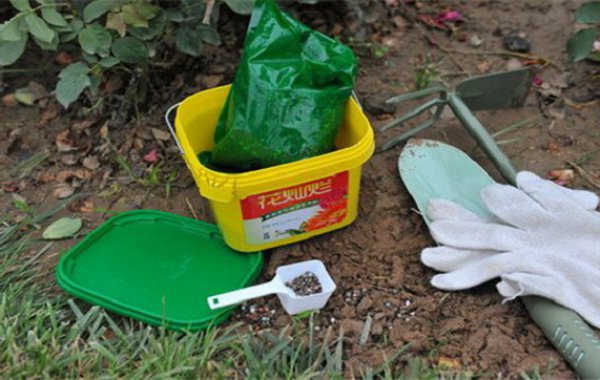
How to fertilize flowers is very simple for veteran flower growers, but for beginners who are new to growing flowers, how to fertilize flowers is also a skill that needs to be learned. Below, Uncle Gardener shares some tips on fertilizing flowers and plants, as a reference for flower lovers.
Five fertilizing methods:
(1) Maifan stone fertilizer: Sprinkle a layer of Maifan stone granules in the flower pot, which can promote the growth of flowers and extend the flowering period.
(2) Crushed eggshell fertilizer: Crush eggshells and bury them in the flower pot. This is a very good fertilizer that can make potted flowers grow luxuriantly, with abundant leaves and bright flowers.
(3) Cook a small amount of soybeans and set aside. Make three holes in each pot of flowers, put in 3—5 cooked soybeans, at a depth of 2—3 cm, without damaging the flower roots, and cover with soil as usual.
(4) Bake until dry and crush the pig bones, fish bones, etc. that are usually discarded, and apply them at the bottom of the pot or on the surface of the pot.
(5) Water flowers with rice-washing water. Rice-washing water contains trace elements such as nitrogen, phosphorus, and potassium. It is both a compound fertilizer and a mild fertilizer, does not damage flower roots, and can be used at any time as long as the potting soil is not waterlogged.
Collecting organic fertilizer for potted flowers
For household flower growing, it is not advisable to frequently use chemical fertilizers. The main fertilizers needed for cultivating flowers, such as nitrogen, phosphorus, and potassium, can all be collected in daily life. For example: moldy and inedible waste peanuts, beans, sunflower seeds, and miscellaneous grains are all nitrogen-containing fertilizers. After fermentation, they can be used as base fertilizer or soaked to make a solution for top dressing, and both can promote the vigorous growth of flowers and trees; fish bones, crushed bones, chicken feathers, eggshells, and people's cut nails, hair, etc. are all rich in phosphorus. Mix these waste materials into old potting soil, add some water, put them in a plastic bag, and place it in a corner. After a period of decomposition, they can become excellent organic fertilizer. If these waste materials are soaked to make a solution for top dressing, it can make household potted flowers have bright colors and abundant fruit. In addition, fermented rice-washing water, the water changed out from growing bean sprouts, plant ash water, as well as rainwater and waste water from fish tanks, all contain certain amounts of nitrogen, phosphorus, and potassium. As long as they are used in appropriate amounts, they will promote the growth and development of flowers and trees.
Fruit peels can neutralize alkaline potting soil
Some flowers from the south are not easy to survive or bloom when potted in the north. This is because the potting soil is too alkaline. There are many ways to neutralize alkaline soil. This method is to soak the peeled apple peels and apple cores in cold water, and frequently use this water to water the flower pots. This can gradually reduce the alkalinity of the potting soil and help the growth of certain plants.