What flowers and plants are suitable for growing in winter? Here comes the recommended list
For most flowers and plants, winter is a lonely and hard time to endure. Especially in the extremely cold regions of northern China, people often can only stay on the heated kang at home, and flowers and plants can hardly survive outdoors. However, for a very small number of flowers and plants with strong cold resistance and relatively strong adaptability to harsh environments, they are often still worth planting. After all, in the cold winter, the whole world lacks vitality, and the earth is dead silent.
However, even if a small number of flowers and plants can survive the winter, we should still choose varieties that are suitable for planting and have certain ornamental value. So, for ordinary users, what then? Naturally, flowers and plants with strong cold resistance, stress resistance and adaptability to the environment should be the first choice, and their ornamental value should be considered second.
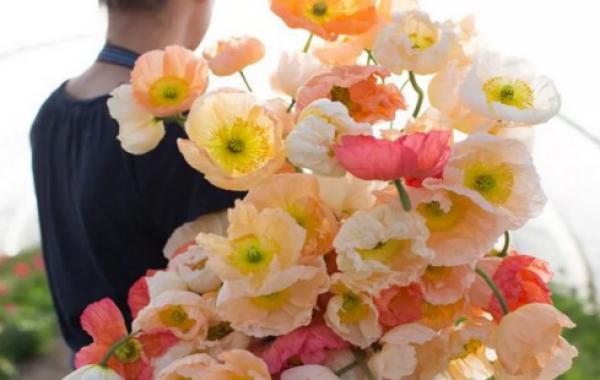
Based on the consideration of these characteristics, the flowers and plants suitable for growing in winter are typically represented by Icelandic poppy, toadflax, blue sage, purple sage and rainbow pink. Especially when they are grown as potted plants, they are often easier to care for and manage, allowing the plants to maintain normal growth even in the cold winter, and even their ornamental value can be well displayed.
Because winter temperatures are low, we need to choose flowers and plants with strong cold resistance to grow. Only then can we ensure that the plants will not be frostbitten, that they can maintain vigorous vitality, and that they can also bring a touch of warmth and a lively atmosphere to the cold and lonely winter days. In addition to the cold resistance of the plants themselves, we also need to adopt scientific care and management methods to ensure that the plants maintain a good growth state.
For flowers and plants such as Icelandic poppy, although they can show impressive cold resistance in the freezing winter, in order to grow them well and bring out a highly ornamental state, we need to create a good growing environment for them according to their habit characteristics. Icelandic poppy prefers a growing environment that is warm, sunny and well ventilated, so we should carry out care and management according to these growth habits.
If the growing environment has insufficient light for a long time, Icelandic poppy plants often grow very weak, and even if they bloom, they will lose their brilliance. Therefore, in addition to providing suitable soil, temperature, light and ventilation conditions, we also need to do a good job in water and fertilizer management. In particular, pruning should be carried out promptly after flowering to avoid excessive consumption of nutrients and affect later sprouting.