Datong Ecotourism 03"A hidden pure land in the mountains, the Leshui Tribe forgotten for twenty years - attracting youth to return through organic agriculture tourism

"Heading from Yilan toward Taipingshan and Wuling Farm, most visitors are used to taking Provincial Highway 7A straight up the mountain, but across the vast Lanyang River, on the opposite bank, there is actually a mysterious tribe made up of three settlements - Donglei, Malun and Zhinao - called Leshui."
The Yilan 51 Line that links them runs parallel to Provincial Highway 7A. As early as the Japanese colonial era, during the Taipingshan logging years, this road was once the route of a forest railway. At the peak of logging, besides Atayal people, the settlements also included many mainlanders, Hakka and Minnan people engaged in timber extraction, bringing as many as 4,000 people to be stationed in the Leshui Tribe. Even after the Retrocession, the Nationalist government set up the Datong Township Office in the Malun settlement, showing just how bustling it once was.
It was not until 1977, when Typhoon Thelma ravaged Yilan, that the once gently flowing Lanyang River suddenly surged overnight, and the merciless flood took many lives. Later, as the logging industry ended and the railway stopped running, the Leshui Tribe went through 20 years of silent years without any external transportation before the Yilan 51 Line officially opened in 1998.
Through the wilderness years, Leshui's splendor returns with abundant agricultural produce
Giwas, now in her thirties, still remembers it vividly: "In the past there was a simple bamboo bridge over the Lanyang River bed, and my brother had to walk across the stream every day to catch a bus to school on the other side; when I was little I also encountered the temporary bridge breaking, and my mother carried me, then very young, across the stream. It is said I even fell into the stream and nearly got swept away!" Having lived through the once-wild era, Giwas returned home to work right after graduating. Xiaoyun is about the same age, and besides growing millet, the two have long devoted themselves to tribal affairs and promoting agri-food tours, so that outsiders can, through contact with the land, rediscover this once-forgotten tribe.
The Leshui Tribe sits among the mountains, with winding mountain roads before and behind it, but this is the only place that, besides leaning against the mountains, also has a vast stretch of alluvial plain, which is why it has been the granary of Datong Township since the Japanese colonial era. Using this unique terrain and environment, tribal members set up a production and marketing group, grow organically certified sun-dried rice, and also plant pesticide-free vegetables as well as native crops such as millet and red quinoa. Every year in February and March, when cabbage is in abundance, visitors can come and pick vegetables themselves and experience the process of making Taiwanese-style pickles; in April and May they can enter the bamboo groves to harvest makino bamboo; in June and July they can also harvest plump millet clusters in fields of golden millet, and in this season there are also freshly picked red-fleshed plums to taste.
From the land to the table, returning to ancient methods to understand millet
Even in the off-season autumn and winter months, the Leshui Tribe itinerary is still wonderful. Besides regular tours such as making bamboo cups, cooking bamboo tube rice and experiencing the sowing of baby corn, the tour that returns to the ancient way of processing millet is especially distinctive. Giwas mentioned: "In the early days, after millet was harvested it would be stored in the granary. When there was a festival or guests came, they would take out the amount to be eaten, rub it with both feet to thresh the grain, then use a pestle to remove the husk, and finally follow the wind to remove the chaff and empty grains."
Millet grains processed by traditional methods are soaked, steamed, pounded, and then coated with peanut sugar powder to become an afternoon snack. The freshly steamed mochi is hot and springy, with a particularly rich millet aroma. In addition, the tribe also plans a "millet blessing ornament" making experience, using the young leaves of the mountain palm, which tribal members customarily used in earlier times, as plant fiber, combined with bamboo hooks tied into millet bundles. Besides taking them home as decorations, visitors can also actually sow them every February and March, observing the millet's growth process up close.
A striking new tribal cuisine
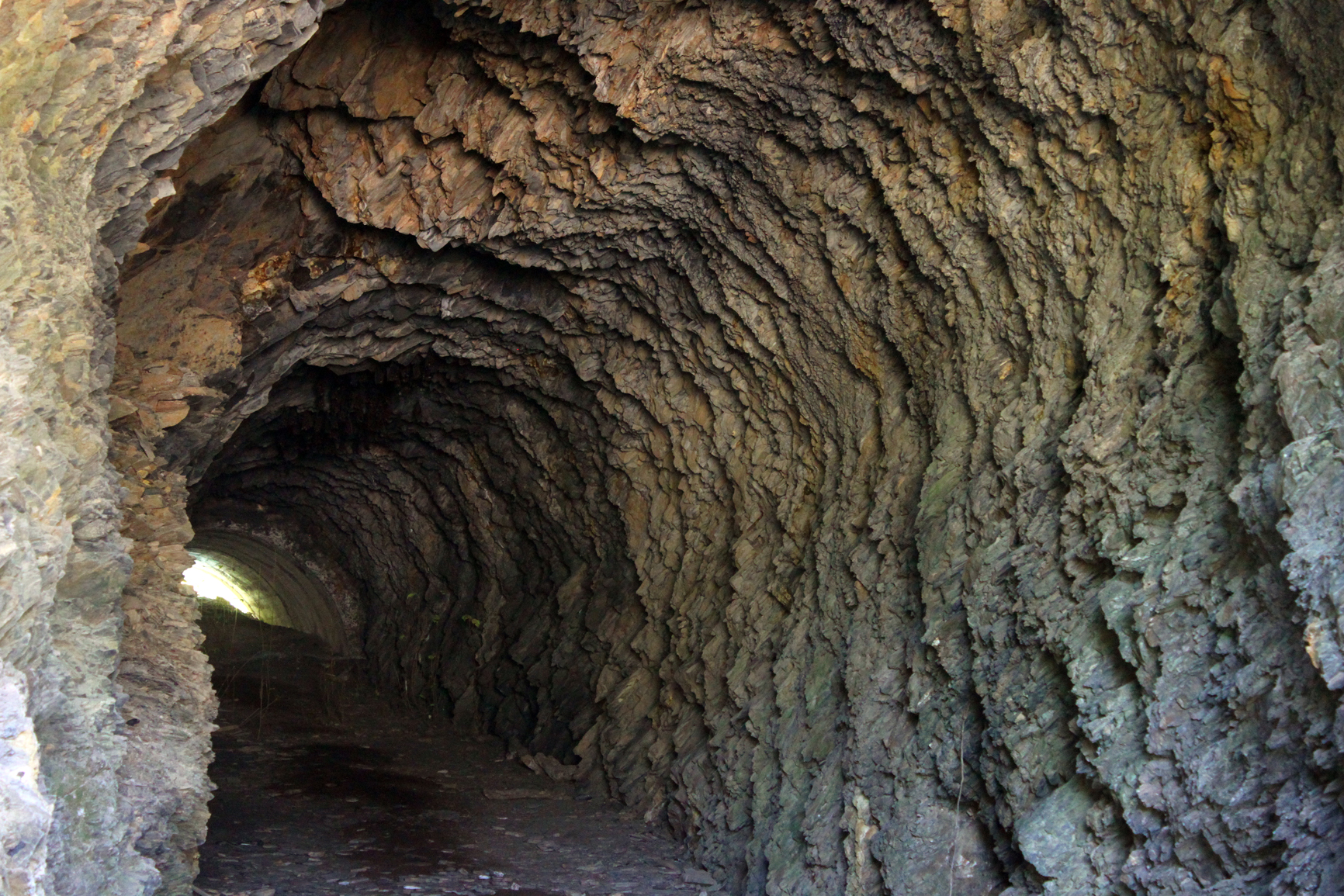
Beyond the agri-food experience of getting close to the land, Giwas also takes visitors to learn about the tribe's distinctive buildings and visit Leshui Station and the century-old tunnel built during the Japanese colonial era. At noon they can taste the good cooking of the tribal mothers, and if there is enough time, dinner can be booked with Xiaoyun's light meals designed with tribal ingredients - small-farmer rice balls made with Leshui's own organic sun-dried rice, red quinoa, wild boar and shredded purple sweet potato; omelets made with free-range native eggs combined with Chinese prickly ash leaves, wrapping makao-marinated pork and seasonal wild vegetables such as black nightshade, rabbit's ear grass and wild amaranth; and also pumpkin salad with self-grown pumpkin paired with fresh lemon, and an innovative drink made from red-fleshed plums produced by the tribe. This gives tribal cuisine, beyond lavish meat dishes, refreshingly new healthy dining options too!
The Atayal Life Experience Camp, which began being promoted 10 years ago, is now gradually transforming to focus on organic agriculture, successfully building the brand of "Renjian Leshui Sun-Dried Rice." In recent years, the Indigenous Peoples Affairs Office of Yilan County has further guided this group of young people to make the tribal table the centerpiece, combining young people's Atayal creative cuisine with organic agriculture experiences, so that visitors from then on leave their hearts behind too in Renjian Leshui.
Data
FB fan page: Leshui Tribe Life Experience Camp


Related Articles
- How to prevent and control rabies in dogs? Timely vaccination of puppies ensures safety
- How to Explore Keelung's Fishing Port Docks? Practical Tips for Picking Fresh Seafood
- The Slow Food movement advocates that how you eat matters more than what you eat, helping you eat your way to health
- How to Identify Inferior Cooking Oil? Key Points for Quality Control from Cultivation to Purchase
- Which agricultural activities require tax payment? The ranch court case clarifies the boundary of tax exemption
- Ractopamine, a lean meat agent, is banned; scientific pig farming to increase lean meat percentage is the right path
- Horizontal Windbreak Nets for Welsh Onion Cultivation in Winter Reduce Losses
- Top Ten Fungicides Ranking Released, a Useful Reference for Farmers Choosing Products