Can flowers and plants remove harmful gases indoors?
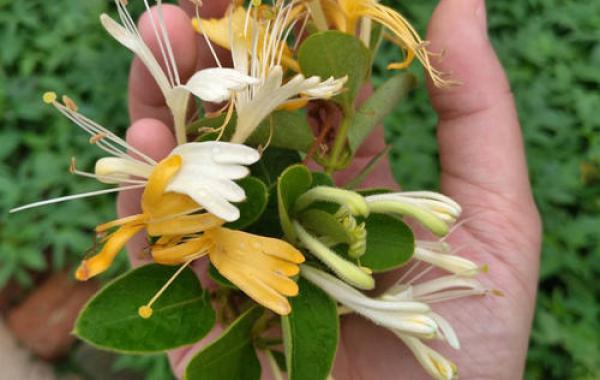
Did you know that flowers and plants can remove harmful gases indoors.
Because the weather is cold in winter, many households do not ventilate, which easily makes people sick. We can grow some flowers and plants indoors to prevent harmful indoor gases from entering the body.
Cactus: its fleshy stomata open at night, and it can release oxygen and absorb gases in the air that are harmful to the human body, purifying the air.
Chinese rose: it can absorb harmful gases in the air such as ether, benzene and hydrogen sulfide.
Spider plant: its leaves will "eat" harmful gases in the air such as carbon monoxide, even outperforming air filters. It kills germs harmful to the human body.
Camellia: it resists sulfur dioxide, hydrogen chloride, chlorine,
Milan: it can absorb sulfur dioxide and chlorine in the atmosphere.
Osmanthus: it has a special resistance to chemical smog.
Plum blossom: it has the ability to monitor pollution from sulfur dioxide, hydrogen chloride and hydrogen sulfide in the environment.
Flowers and plants really can act as an "air filter", removing harmful gases and benefiting health.
Aloe, spider plant, snake plant, Aspidistra and Monstera are natural scavengers that can remove harmful substances from the air. Studies have shown that snake plant and spider plant can absorb more than 80% of harmful gases indoors, and their ability to absorb formaldehyde is extremely strong. Aloe is also good at absorbing formaldehyde, and can absorb 90% of the formaldehyde contained in 1 cubic meter of air.
English ivy, sago palm, chrysanthemum, kumquat, pomegranate, purslane, Chinese rose, camellia, pomegranate, Milan, daisy, wintersweet and marigold can effectively remove harmful substances such as sulfur dioxide, chlorine, ether, ethylene, carbon monoxide and nitrogen peroxide. Orchids, osmanthus, wintersweet, Caladium and Excoecaria cochinchinensis are natural dust collectors; their cilia can intercept and retain floating particles and smoke dust in the air.