Which flowers should not have their plants sprayed with water?
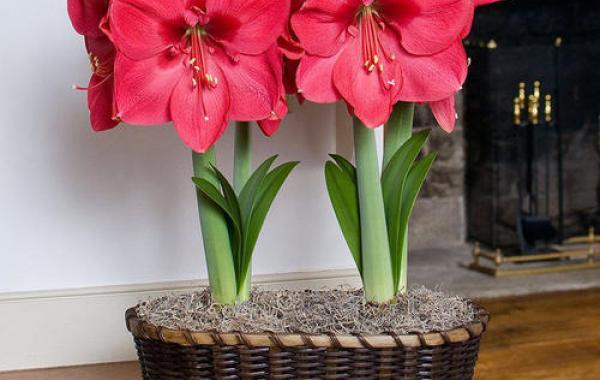
Which flowers should not be sprayed with water on the plant.
Everyone knows that watering flowers is a kind of cultivation, but some flowers are just not suitable for watering. For flowers such as Gloxinia, rex begonia, calceolaria, African violet, and purple velvet plant, the leaf surfaces have dense fine hairs, and once water droplets land on them they do not evaporate easily, often causing leaf rot or leaf spots.
The leaf buds and flower buds of cyclamen, and the flower buds among the leaves of African daisy, all fear excessive moisture; when exposed to moisture for too long they rot easily, so they also should not be sprayed with water.
The pseudobulb in the center of the clivia leaf rosette also fears water; especially during the bud stage, exposure to moisture can affect the emergence of the flower stalk and lead to rot of the inflorescence. When flowers are blooming, spraying water directly onto the blossoms easily causes the flowers to rot, and at the same time affects fertilization, reducing the fruit-setting rate.
In addition, for pot flowers such as pomegranate, crabapple, crape myrtle, and fuchsia, spraying water on the leaves can also cause excessive growth of branches and leaves.
For flowers such as gloxinia, rex begonia, calceolaria, African violet, and purple velvet plant, the leaf surfaces have dense fine hairs, and once water droplets land on them they do not evaporate easily, often causing leaf rot or leaf spots.
The leaf buds and flower buds of cyclamen, and the flower buds among the leaves of African daisy, all fear excessive moisture; when exposed to moisture for too long they rot easily, so they also should not be sprayed with water.
The pseudobulb in the center of the clivia leaf rosette also fears water; especially during the bud stage, exposure to moisture can affect the emergence of the flower stalk and lead to rot of the inflorescence. When flowers are blooming, spraying water directly onto the blossoms easily causes the flowers to rot, and at the same time affects fertilization, reducing the fruit-setting rate.
In addition, for pot flowers such as pomegranate, crabapple, crape myrtle, and fuchsia, spraying water on the leaves can also cause excessive growth of branches and leaves.