A Detailed Guide to Soilless Cultivation Techniques for Flowers and Bonsai and Their Advantages
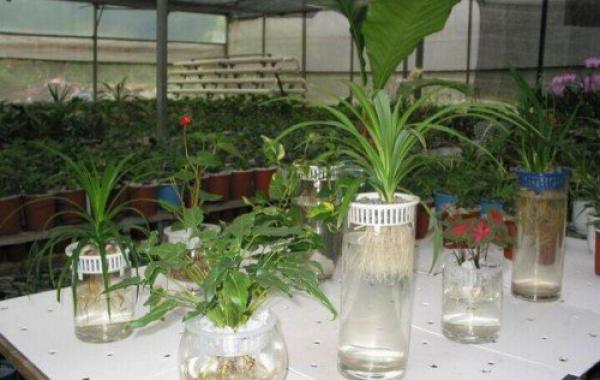
Bonsai can also be grown soillessly - have you ever heard of that? The bonsai soilless cultivation technique introduced in this article offers many advantages: plants grow rapidly and vigorously, bloom profusely and early, with large and fragrant flowers, and they are cold-resistant and heat-tolerant with few pests and diseases.
The bonsai soilless cultivation technique is applicable to the following flowers and plants: Monstera deliciosa, Aglaia odorata, Clivia miniata, camellia, Chinese rose, jasmine, rhododendron, kumquat, evergreen, violet, Phalaenopsis, fuchsia, five-needle pine, Artocarpus, rubber fig, Brazilian iron, begonias, ferns, palms and other indoor and outdoor flowers and bonsai.
Below is a detailed introduction to the methods and operating steps of soilless cultivation techniques for flowers and bonsai:
Soilless cultivation methods for potted plants:
(1) Selection of substrate
Commonly used substrates for potted soilless cultivation include vermiculite, perlite, sand, and gravel. It is best to use a mixed substrate; the commonly used mixed substrate is vermiculite : perlite : sand = 1:1:1. If the plant lacks stability after being planted, the proportion of sand can be appropriately increased. When necessary, stones can be used to press the roots and surface, or wire can be used to secure the plant.
(2) Preparation and application of nutrient solution
A currently commonly used nutrient solution formula is the Zhu formula (Zhu Shiwu, 1988), whose composition is: calcium nitrate 0.8g, potassium nitrate 0.4g, monopotassium phosphate 0.25g, disodium EDTA 20mg, ferrous sulfate 15mg, manganese sulfate 4mg, boric acid 6mg, zinc sulfate 0.2mg, copper sulfate 0.1mg, ammonium molybdate 0.2mg. Dissolve the above chemicals in 1000ml of tap water to make the solution.
Adjust the pH of the nutrient solution prepared from the above formula to 6.0 and dilute it 100 times before use. The first application of nutrient solution must be thorough; the immersion method is recommended. After that, apply an appropriate amount of nutrient solution once a week, and once every 20 days or so during the dormant period.
(3) Cultivation under rain-sheltered conditions is recommended to reduce nutrient loss. For routine watering, tap water is best; water as soon as the medium is slightly dry, and water thoroughly each time.
(4) When converting from soil cultivation to soilless cultivation, special attention must be paid to disinfecting the pot and the plant, so as not to introduce soil-borne pests and diseases into the soilless cultivation.
Operating steps:
Step one: Prepare the nutrient solution.
The nutrient solution can be purchased directly or prepared yourself. The method for preparing it yourself is as follows:
1. Macroelements: potassium nitrate 3 grams, calcium nitrate 5 grams, magnesium sulfate 3 grams, ammonium phosphate 2 grams, potassium sulfate 1 gram, monopotassium phosphate 1 gram;
2. Microelements: disodium EDTA 100 mg, ferrous sulfate 75 mg, boric acid 30 mg, manganese sulfate 20 mg, zinc sulfate 5 mg, copper sulfate 1 mg, ammonium molybdate 2 mg;
3. Prepare 5 kg of tap water. Dissolve the macroelements and microelements separately into solutions, then mix them together to obtain the nutrient solution. The amount of microelements used is very small and difficult to weigh out, so they can be prepared at a multiplied ratio and then measured out in proportionally reduced amounts.
Step two: Remove from the pot. Use your fingers to push the root system together with the soil out through the hole at the bottom of the pot.
Step three: Wash the roots. Soak the soil-covered root system in water close to the ambient temperature and wash the soil off the roots.
Step four: Dip in solution. Place the washed roots in the prepared nutrient solution and soak for 10 minutes so they fully absorb nutrients.
Step five: Pot and pour in solution. Wash the flower pot clean, place a piece of tile or plastic mesh over the bottom hole, then put a small amount of perlite and vermiculite into the pot. Next, place the plant into the pot and hold it upright, then fill perlite, vermiculite and other lightweight minerals around the root system, and gently shake the pot so the minerals fit closely around the roots. Immediately pour in the prepared nutrient solution until liquid flows out from the bottom hole.
Step six: Stabilize the root system. Place fragments of fluorite, axinite and the like on top of the root system to stabilize the roots and prevent lodging. At the same time, spray some clean water on the leaves.
Care precautions for soilless cultivation techniques for flowers and bonsai:
For flowers and bonsai grown soillessly, the requirements for light, temperature and other conditions are no different from those for soil cultivation. During the growing period, apply nutrient solution once a week, with the amount depending on the size of the plant; for flowers whose leaves grow slowly, reduce the amount accordingly. In winter or during the dormant period, apply once every half a month to a month. Indoor foliage plants can survive under low-light conditions, so the amount of nutrient solution should be reduced. The nutrient solution can also be used for foliar spraying. Pay attention to timely watering in normal care.
Potted soilless cultivation is a cultivation method in which bonsai plants are planted in certain inorganic substrates and regularly supplied with nutrient solution. Compared with traditional soil cultivation, bonsai soilless cultivation has many advantages and will become an important symbol of the modernization of bonsai production.
Advantages of potted soilless cultivation:
1. Potted soilless cultivation can make potted plants grow quickly and with high quality, thus accelerating the formation of potted plants.
2. Non-toxic, odorless, clean and hygienic, making bonsai more suitable for indoor display and helping bonsai enter thousands of households.
3. It creates favorable conditions for potted plant export earnings. Since many countries such as the United States, Japan, Australia, and the Netherlands do not allow soil-bearing plants to enter, potted soilless cultivation allows potted plants to pass quarantine inspections smoothly in various countries, facilitating export.
4. Potted soilless cultivation can save the cumbersome work of repotting and also makes handling and transport lighter and easier.
5. It is conducive to factory-scale mass production of potted plants.