How to Treat Spider Mites on Flowers? Pest Control Methods Explained in One Article
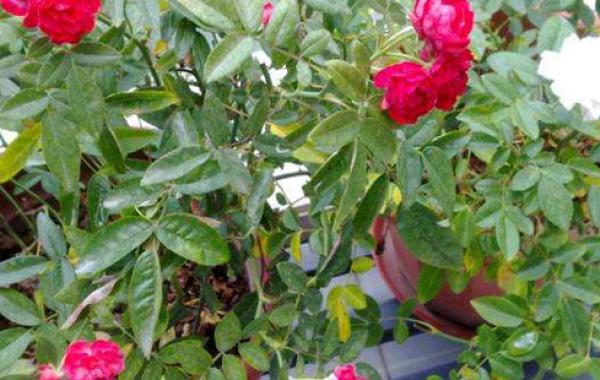
Spider mites on flowers are a pest that seriously harms flower growth, causing huge economic losses to flower growers and hindering the rapid development of the flower planting industry. Therefore, flower growers should strengthen the control of spider mites on flowers. So how do you treat spider mites on flowers? Below we will introduce in detail the occurrence patterns and control measures of spider mites on flowers, as follows:
Occurrence Patterns of Spider Mites on Flowers
The spider mites occurring on flowers belong to the order Trombidiformes, family Tetranychidae, with more than ten generations per year. Adults are oval in shape, red or rust-colored. Adults, larvae or nymphs mostly feed and move on the underside of host leaves, piercing and sucking plant sap to cause damage. Eggs are laid singly on the underside of leaves along both sides of the leaf veins. The number of eggs laid is related to temperature; in summer, one female mite can lay more than 100 eggs.
In greenhouse flowers, spider mites prefer to occur on plants such as roses, chrysanthemums, cyclamen and calla lilies, and generally do not occur on cactus family plants. Low air humidity inside the greenhouse favors their reproduction, leading to severe outbreaks.
Control Measures for Spider Mites on Flowers
1 First, the source of infection should be controlled. When moving flowers, check whether they carry spider mites to prevent their introduction or spread, and take preventive measures.
2 Spray the leaves with clean water daily, especially the undersides, to suppress their reproduction.
3 When the infestation is heavy, the following pesticides can be used with good results.
3.1 First, the source of infection should be controlled. When moving flowers, check whether they carry spider mites to prevent their introduction or spread, and take preventive measures.
3.2 Spray the leaves with clean water daily, especially the undersides, to suppress their reproduction.
3.3 When the infestation is heavy, spray pesticide as early as possible. The following pesticides can be used with good results: spray with a 1:1:600-800 dilution of 20% dimethoate and 25% phosmet emulsifiable concentrate, spray with a 1:1:1500 dilution of 20% dicofol and 40% dimethoate emulsifiable concentrate, or bury a small amount of carbofuran in the potting soil, using 5-6 granules per pot.