Causes and Control Methods of Yellow Leaves on Potted Flowers
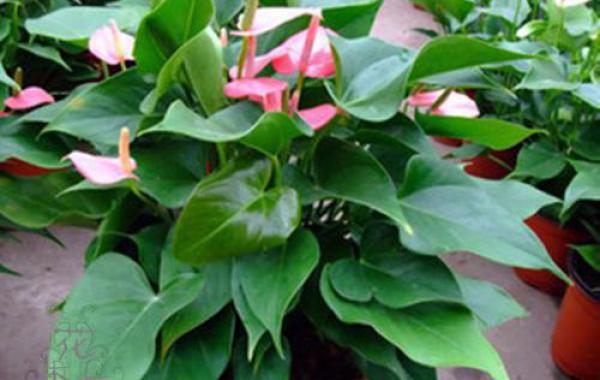
During the growing period, potted flowers often develop yellow leaves. The cause, in most cases, is improper cultivation and management. Below are several "yellowing" phenomena described. Today, the editor will introduce them to you.
1. Water yellowing:
Prolonged waterlogging of the potting soil causes soil oxygen deficiency, which rots part of the root system and weakens its ability to absorb water and nutrients. It shows as dull yellow, lusterless young leaves, shrinking new shoot tips, and thin, yellow-green stems. When this happens, loosen the soil, control watering, and stop fertilizing. In severe cases, take the plant out of the pot, place it in a shaded spot to air-dry the root ball, then repot it.
2. Fertilizer yellowing:
Yellowing of leaves caused by excessive fertilizing or overly high concentration, especially when nitrogen fertilizer is applied one-sidedly, shows as new leaves that are thick and glossy but uneven and not smoothly spread out, while old leaves gradually turn yellow and drop. At this point, stop fertilizing and appropriately increase watering to dilute the nutrients. If a potted flower gets insufficient fertilizer and water, or the plant is large and the pot is small, and the roots in the pot age or become overcrowded, the leaves of the plant will also become thin and yellow. In this case, change the pot and the soil, usually done from Yushui (Rain Water, around February 18-20) to Lixia (Start of Summer, around May 5-7).
3. Alkaline yellowing:
Acid-loving potted flowers, such as camellia, Aglaia odorata (Chinese perfume plant), Michelia figo (banana shrub), rhododendron, and jasmine, often develop chlorosis and yellowing because the soil tends toward an alkaline reaction. It shows first between the veins of new leaves at the branch tips, while the veins, especially the main veins, remain green, making the alternating yellow and green pattern very obvious. As the yellowing worsens, the veins gradually lose their green color, then the whole leaf turns white, the leaf margins scorch, and the leaves drop. In severe cases, the branch tips die back and the whole plant dies. For this "chlorosis" phenomenon, you can improve it by applying acidic fertilizer or acidic substances, or you can regularly apply alum fertilizer water.
4. Shade yellowing:
Sun-loving flowers often develop withered yellow branches and leaves because of insufficient indoor light. At this point, move the pot outdoors to a ventilated, sunlit spot. For semi-shade flowers such as asparagus fern, strong light will also make the leaves turn yellow, so avoid exposure to high temperature and strong light in summer; move them indoors or place them under a shade shed.
5. Drought yellowing:
Because of long-term failure to water, or watering too little, leaves turn yellow or develop brown tips and brown edges, and old leaves wither, turn yellow, and drop from the bottom upward. However, new leaves generally grow normally. When this happens, replenish water so the soil is no longer lacking moisture.
6. Scorch yellowing:
Shade- and moisture-loving potted flowers, such as spider plant, lucky bamboo (Dracaena sanderiana), and hosta, also show brown tips and brown edges on the leaves if exposed to strong direct sunlight. When this happens, just place the pot in a shaded spot.
7. Damp-heat yellowing:
Some potted flowers that cannot tolerate high temperature and high humidity develop yellow leaves because of poor ventilation and improper shading in midsummer, such as fuchsia in summer. So high temperature and high humidity can also easily cause leaves to turn yellow. As long as you pay attention to ventilation and cooling, and keep the potting soil from becoming too wet, this kind of leaf yellowing can be prevented.
Overwatering: Long-term waterlogging of the potting soil suffocates and rots the roots, so they cannot absorb water and nutrients normally, causing yellow leaves or even leaf drop. If you find yellow leaves, stop watering immediately, loosen the potting soil, and place the plant in a ventilated, dry spot to speed up evaporation. Watering should follow the principle of "water when dry, and water thoroughly when you do," and never water in dribs and drabs. In addition, never spray water on the flowers during the flowering period.
Lack of water: If leaves droop due to lack of water, immediately spray water on the leaves to speed up the plant's water absorption, then water the pot. At this point, be careful to water less, just enough to moisten the soil, and never water too much.
Improper fertilizing: During the growing period of potted flowers, long-term failure to fertilize or insufficient fertilizing can cause yellow leaves; applying too much concentrated fertilizer will burn the roots and affect water absorption, which likewise causes yellow leaves. You can water more to dilute it and flush away the fertilizer in the soil. A lack of fertilizer can cause the potting soil to harden, with leaves yellow, thin, and scrawny, and branches slender, yellow, and tender; fertilize immediately.
Excess alkalinity: Because potted flowers are watered over a long period, salt and alkali accumulate in the potting soil, and in severe cases this causes the leaves to turn yellow and drop. Replace the soil with new soil or spray a ferrous sulfate solution on the leaves. You can also apply alum fertilizer water and fermented rice-washing water, both of which can achieve good results, but do not apply too much.
Dry air: Some flowers grown in the north that like humid air, such as camellia and orchid, often develop dry leaf tips, scorched leaf margins, or scorched spots on the leaves, with edges curling, wrinkling, and turning brown when the air is excessively dry. This is especially severe in areas where coal fires or heating are used indoors in winter. At this time, frequently spray and wash the branches and leaves with water close to room temperature to increase air humidity.
Large flowers in a small pot: Large flowers have many roots and need more water and fertilizer, and a small pot cannot meet the plant's growth needs, so old leaves become dry, yellow, and lusterless, and new leaves are yellow and scrawny. Change to a pot of appropriate size, and add 30% humus soil to the soil so the flowers can grow normally.
Overly dense branches and leaves: Luxuriant branch and leaf growth plus long-term lack of pruning leave the inner branches and leaves with insufficient light, causing leaves to turn yellow and drop. Strengthen pruning of the inner branches to improve ventilation, and fertilize appropriately.
Insufficient light: For sun-loving flowers such as Chinese rose and pomegranate, if they are kept in a place with too little light for a long time, the plant will gradually weaken, with thin, yellow leaves, and it will not bloom or bloom little. Move them to a place with ample light.
Frost damage: If flowers develop yellow leaves due to frost damage, bring them indoors to keep them warm and strengthen the cold resistance of potted flowers in advance.
Pest and disease damage: After infection by flower mosaic virus, yellow-green mottled patches mostly appear on the leaf surface. Pay attention to prevention, spray pesticide in time, and provide ample light and ventilation. Aphids, red spider mites, and others suck nutrients and water on the underside of leaves, making the leaves wither and yellow or even causing all the leaves of the plant to wither and drop. Timely pest control can restore them.