What precautions should be taken when spraying pesticides on flowers in greenhouses?
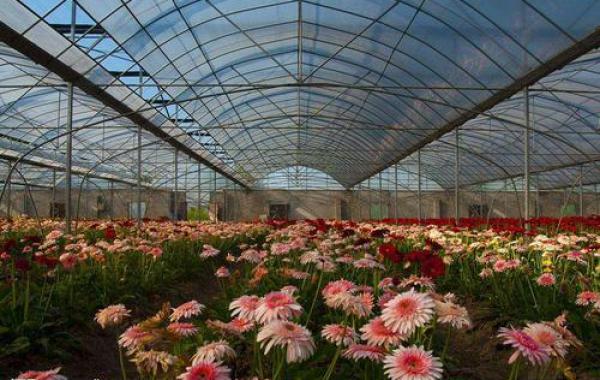
What precautions should be taken when spraying pesticides on flowers in greenhouses.
When spraying pesticides, in order to achieve the best control effect, some precautions should be taken during the spraying process.
1. Clean the greenhouse before spraying
Before spraying pesticides to control pests and diseases, necessary cleaning should be carried out in the greenhouse, removing diseased leaves and diseased plants, such as those affected by anthracnose and downy mildew, and at the same time removing fallen leaves and other debris from the greenhouse, so as to thoroughly eliminate the pathogens and prepare for improving the effect of pesticide use.
2. Prevent poisoning of personnel
Because air circulation in greenhouses is relatively poor, sometimes sealed operations are required when spraying pesticides, which in a short time will cause the pesticide concentration in the air inside the greenhouse to increase. Personnel carrying out the spraying work should take preventive measures and should wear masks and protective clothing to prevent poisoning.
3. Management after spraying
After spraying in a greenhouse, it is best not to carry out production activities for 1 to 2 days. This is mainly because within two days after spraying, the pesticide residue concentration in the greenhouse is still relatively high, and carrying out production activities inside at this time can easily cause physical discomfort. At the same time, the two days after spraying are the best period for the pesticide to take effect. If production activities are carried out at this time, new pathogens may be introduced, which will affect the effect of sterilization and disease prevention. Another point worth noting is that after spraying pesticides, if the flowers have not been sprinkled with water or irrigated, do not fertilize the flowers, to prevent the residues of pesticides and fertilizers from causing double damage to the flowers. Herbaceous foliage flowers especially need to pay attention to this point. If fertilization is needed, it should be carried out after sprinkling water on the leaves or irrigating the flowers.
After spraying in a greenhouse, it is best not to carry out production activities for 1 to 2 days. This is mainly because within two days after spraying, the pesticide residue concentration in the greenhouse is still relatively high, and carrying out production activities inside at this time can easily cause physical discomfort.
1. Clean the greenhouse before spraying
Before spraying pesticides to control pests and diseases, necessary cleaning should be carried out in the greenhouse, removing diseased leaves and diseased plants, such as those affected by anthracnose and downy mildew, and at the same time removing fallen leaves and other debris from the greenhouse, so as to thoroughly eliminate the pathogens and prepare for improving the effect of pesticide use.
2. Prevent poisoning of personnel
Because air circulation in greenhouses is relatively poor, sometimes sealed operations are required when spraying pesticides, which in a short time will cause the pesticide concentration in the air inside the greenhouse to increase. Personnel carrying out the spraying work should take preventive measures and should wear masks and protective clothing to prevent poisoning.
3. Management after spraying
At the same time, the two days after spraying are the best period for the pesticide to take effect. If production activities are carried out at this time, new pathogens may be introduced, which will affect the effect of sterilization and disease prevention. Another point worth noting is that after spraying pesticides, if the flowers have not been sprinkled with water or irrigated, do not fertilize the flowers, to prevent the residues of pesticides and fertilizers from causing double damage to the flowers. Herbaceous foliage flowers especially need to pay attention to this point. If fertilization is needed, it should be carried out after sprinkling water on the leaves or irrigating the flowers.