How should flowers be rescued after suffering herbicide damage?
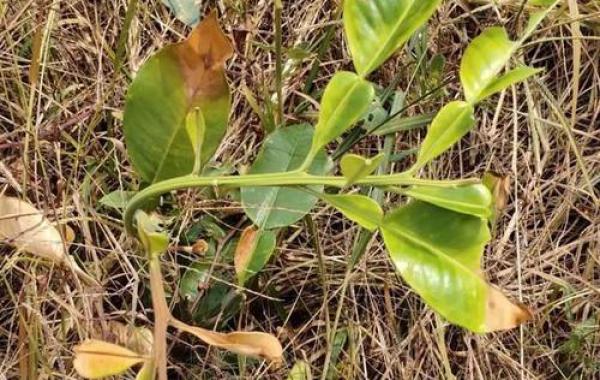
How to rescue flowers that have suffered herbicide damage.
There are three first-aid measures for flowers that have suffered herbicide damage, as follows:
Spray-water washing method: If the wrong pesticide was sprayed, immediately spray a large amount of clean water to wash the plants; if the wrong soil-treatment agent was used, the method of alternating irrigation and drainage can be used to rescue them. After washing out the pesticide, apply a quick-acting fertilizer to promote the recovery of the damaged plants.
Neutralization and mitigation method: If a medication error occurs and is discovered fairly promptly, under the guidance of scientific and technical personnel who understand pesticide principles, after washing with water, opposite-type neutralization can be carried out. That is, if acidic pesticides cause phytotoxicity, alkaline pesticides can be used to neutralize and resolve it.
Pesticide spray remediation method: After broadleaf flowering plants are mistakenly treated with MCPA herbicide, the leaves become damaged and turn white. You can use 50% sodium humate granules, first dissolve them with a little water, then dilute with water to a 500-fold solution, and spray plant by plant. After 3-5 days, the leaves can gradually recover their function.
I. Symptoms of pesticide damage in flowering plants
1. Acute pesticide damage. Pesticide damage occurs quickly and the symptoms are obvious, generally manifesting as pitted spots, focal spots, or withering on the leaves; spots, deformities, smaller fruits, and fruit drop on the fruits; scorched and withered petals, flower drop, and bud drop; and slowed plant growth, or even death of the entire plant.
2. Chronic pesticide damage. The symptoms are not obvious and are not easy to judge in a short time. They generally manifest as poor development, loss of luster on the leaves, delayed flowering, small and few flowers, faded flower color, and easy dropping of flowers and fruits, very similar to the symptoms of nutrient deficiency.