What biological pesticides can be used to control flower diseases and pests?
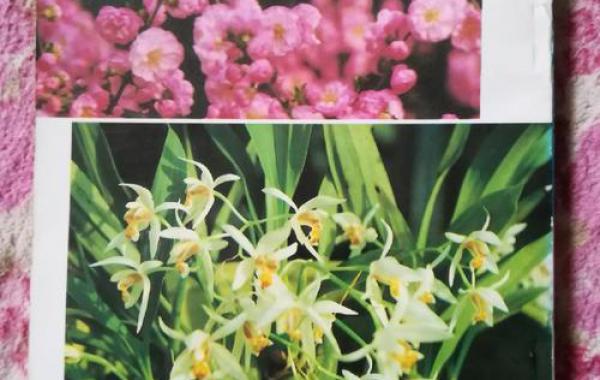
What biological pesticides are there for controlling flower diseases and pests.
Introduction to biological pesticides for controlling flower diseases and pests:
Biological pesticides generally refer to agents that use living organisms to control diseases and pests. They are characterized by leaving no residue, causing no pollution, and not contaminating the environment, and they act specifically on the relevant disease and pest species. At present, the most widely recognized and used types both in China and abroad are bacterial, antibiotic, insect hormone, entomopathogenic nematode, and insect virus types.
For controlling leaf-chewing flower pests, the first is insect growth regulators. For example, the diflubenzuron series of insecticides are insect growth regulators, and their insecticidal mechanism is to inhibit chitin synthesis in the insect cuticle. Diflubenzuron-type agents are mainly stomach poisons, but they can also penetrate the insect cuticle and take effect; they give good control, have a long residual effect, are low in control cost, resist rain washing, make it hard for pests to develop resistance, and are safe for flower plants, humans, livestock, and the environment. The second is the bacterial pesticide Bt emulsion. Bt emulsion belongs to the Bacillus bacterial insecticides. Its main insecticidal component is the parasporal crystal. This agent has now become a widely used major biological insecticide. The pathogenic mechanism of Bt emulsion is that the Bt insecticidal toxin causes lesions in the pest's digestive tract and death. After leaf-chewing pests eat leaves carrying Bt emulsion, they become paralyzed, stop feeding, respond slowly, and develop diarrhea, after which a black ring appears on the abdomen and gradually spreads over the whole body, ultimately leading to death from poisoning. After death, the pests become black soft bodies, rot, hang upside down, or die on the leaves and twigs. Bt preparations have pathogenic and toxic effects on many lepidopteran larvae and leafhoppers, such as fruit borers, yellow-spotted nettle grubs, and geometer moths, and are mainly used to control the larvae of lepidopteran pests. The third is botanical pesticides, mainly including the following 4 kinds. 1% nicotine, azadirachtin, and saponin oil: a multi-component Chinese herbal plant emulsifiable concentrate insecticide, it can also quickly kill insects prone to resistance, and has the properties of good degradation, no residue, safe use, no pollution, and no environmental contamination, and it stimulates flower growth. 0.6% matrine and lactone aqueous solution: its mechanism of action is mainly contact killing, with stomach poisoning as a supplement; it promotes flower growth and can be used to control various aphids and leaf-chewing pests on flowers. 1.2% nicotine and matrine emulsifiable concentrate: it belongs to botanical pesticides, and its active ingredients are nicotine and matrine, with stomach poisoning, contact killing, and fumigant effects on insects. It is low in toxicity to humans and livestock, causes no environmental pollution, and causes no phytotoxicity to flowers. 0.5% toosendanin emulsifiable concentrate: it belongs to botanical pesticides.
This agent is highly effective, safe, low in toxicity, and low in residue, and flowers will not suffer phytotoxicity. It also has stomach poisoning, contact killing, and a certain antifeedant effect.
Controlling piercing-sucking flower pests
The first is fungal pesticides, mainly aphid-killing fungus. Aphid-killing fungus is a fungal biological pesticide, and its main insecticidal component is an ester-soluble sterol compound; it is low in toxicity, knocks down aphids quickly, also kills leaf mites, does not harm beneficial insects such as green lacewings and ladybugs, and has a growth-promoting effect on flowers. The second is the antibiotic series of pesticides, mainly including the following 3 kinds. Abamectin: abamectin is also called Aifuding, and its active ingredient is avermectin, which is currently widely used. It can effectively control many plant-feeding mites and other pests that are insensitive to commonly used pesticides or have developed resistance, such as red spider mites, leafminers, nettle grubs, geometer moths, tussock moths, and psyllids, among other leaf-chewing and piercing-sucking flower pests. It has stomach poisoning and contact killing effects on mites and other pests. Compared with chemical pesticides, after use of this agent, predatory and parasitic beneficial insects recover quickly, which is conducive to ecological balance. This agent decomposes easily on contact with oxygen and light, leaves no residue, and is beneficial to humans, livestock, and flower plants. 10% liuyangmycin aqueous solution: a miticide, and a new type of antibiotic agent. 2.5% huaguangmycin powder: a new type of antibiotic miticide; this agent does not pollute the environment, leaves no residue in air or soil, and protects beneficial insects. The third is botanical pesticides, such as 0.5% veratridine alcohol, which is most effective against various aphids, especially aphids prone to developing resistance, and also has a certain effect on leaf mites.
Biological pesticides generally refer to agents that use living organisms to control diseases and pests. They are characterized by leaving no residue, causing no pollution, and not contaminating the environment, and they act specifically on the relevant disease and pest species. At present, the most widely recognized and used types both in China and abroad are bacterial, antibiotic, insect hormone, entomopathogenic nematode, and insect virus types.
Controlling leaf-chewing flower pests
The first is insect growth regulators. For example, the diflubenzuron series of insecticides are insect growth regulators, and their insecticidal mechanism is to inhibit chitin synthesis in the insect cuticle. Diflubenzuron-type agents are mainly stomach poisons, but they can also penetrate the insect cuticle and take effect; they give good control, have a long residual effect, are low in control cost, resist rain washing, make it hard for pests to develop resistance, and are safe for flower plants, humans, livestock, and the environment. The second is the bacterial pesticide Bt emulsion. Bt emulsion belongs to the Bacillus bacterial insecticides. Its main insecticidal component is the parasporal crystal. This agent has now become a widely used major biological insecticide. The pathogenic mechanism of Bt emulsion is that the Bt insecticidal toxin causes lesions in the pest's digestive tract and death. After leaf-chewing pests eat leaves carrying Bt emulsion, they become paralyzed, stop feeding, respond slowly, and develop diarrhea, after which a black ring appears on the abdomen and gradually spreads over the whole body, ultimately leading to death from poisoning. After death, the pests become black soft bodies, rot, hang upside down, or die on the leaves and twigs. Bt preparations have pathogenic and toxic effects on many lepidopteran larvae and leafhoppers, such as fruit borers, yellow-spotted nettle grubs, and geometer moths, and are mainly used to control the larvae of lepidopteran pests. The third is botanical pesticides, mainly including the following 4 kinds. 1% nicotine, azadirachtin, and saponin oil: a multi-component Chinese herbal plant emulsifiable concentrate insecticide, it can also quickly kill insects prone to resistance, and has the properties of good degradation, no residue, safe use, no pollution, and no environmental contamination, and it stimulates flower growth. 0.6% matrine and lactone aqueous solution: its mechanism of action is mainly contact killing, with stomach poisoning as a supplement; it promotes flower growth and can be used to control various aphids and leaf-chewing pests on flowers. 1.2% nicotine and matrine emulsifiable concentrate: it belongs to botanical pesticides, and its active ingredients are nicotine and matrine, with stomach poisoning, contact killing, and fumigant effects on insects. It is low in toxicity to humans and livestock, causes no environmental pollution, and causes no phytotoxicity to flowers. 0.5% toosendanin emulsifiable concentrate: it belongs to botanical pesticides. This agent is highly effective, safe, low in toxicity, and low in residue, and flowers will not suffer phytotoxicity. It also has stomach poisoning, contact killing, and a certain antifeedant effect.
Controlling piercing-sucking flower pests
The first is fungal pesticides, mainly aphid-killing fungus. Aphid-killing fungus is a fungal biological pesticide, and its main insecticidal component is an ester-soluble sterol compound; it is low in toxicity, knocks down aphids quickly, also kills leaf mites, does not harm beneficial insects such as green lacewings and ladybugs, and has a growth-promoting effect on flowers. The second is the antibiotic series of pesticides, mainly including the following 3 kinds. Abamectin: abamectin is also called Aifuding, and its active ingredient is avermectin, which is currently widely used. It can effectively control many plant-feeding mites and other pests that are insensitive to commonly used pesticides or have developed resistance, such as red spider mites, leafminers, nettle grubs, geometer moths, tussock moths, and psyllids, among other leaf-chewing and piercing-sucking flower pests. It has stomach poisoning and contact killing effects on mites and other pests. Compared with chemical pesticides, after use of this agent, predatory and parasitic beneficial insects recover quickly, which is conducive to ecological balance. This agent decomposes easily on contact with oxygen and light, leaves no residue, and is beneficial to humans, livestock, and flower plants. 10% liuyangmycin aqueous solution: a miticide, and a new type of antibiotic agent. 2.5% huaguangmycin powder: a new type of antibiotic miticide; this agent does not pollute the environment, leaves no residue in air or soil, and protects beneficial insects. The third is botanical pesticides, such as 0.5% veratridine alcohol, which is most effective against various aphids, especially aphids prone to developing resistance, and also has a certain effect on leaf mites.