What factors must be controlled in flower cultivation?
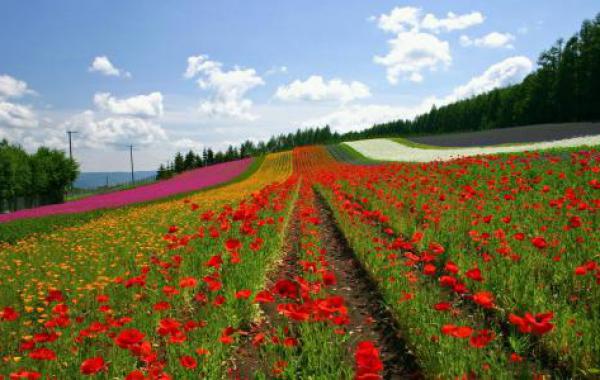
Flower cultivation must be controlled through which factors.
Flower cultivation must be carried out through the following five factors.
1. Water: Moist soil is favorable for growth, while too much water leads to leggy growth. During the seedling stage, the plants are relatively slender and weak, so watering is mostly done with a spray nozzle, with a moderate amount of water, and never allow water to accumulate. After potting, the method of watering pot by pot can be used, and in hot weather, watering is needed every day.
2. Light: During the seedling stage, appropriate shading is needed, and after the plants become established, light should be gradually increased. Some flowers, due to their different properties, need light adjusted according to their requirements in cultivation and management. For example, marigold (Tagetes erecta) is a short-day flower, and during the seedling stage it needs supplementary light, otherwise it will bloom early.
3. Temperature: During the seedling stage, the temperature is generally controlled at around 25°C. As the plants gradually grow, the temperature should be gradually lowered and ventilation increased.
4. Nutrients: When transplanting during the seedling stage, an appropriate amount of base fertilizer should be added to the potting soil; decomposed cow manure, chicken manure, or human urine and feces are all suitable. After potting, N, P, K compound fertilizer and urea should be applied regularly as a top dressing. In the early stage, a 2000-fold solution can be applied as a top dressing, and after the plants become established, it can be increased to an 800-1000-fold solution. Controlling the application of nitrogen fertilizer often promotes the development of flowers.
5. Pest and disease control: The seedling stage is a critical period for pest and disease control. It determines the growth vigor of the plants throughout the entire growth process and directly affects the finished product rate, so integrated control techniques are especially key.
1. Water: Moist soil is favorable for growth, while too much water leads to leggy growth. During the seedling stage, the plants are relatively slender and weak, so watering is mostly done with a spray nozzle, with a moderate amount of water, and never allow water to accumulate. After potting, the method of watering pot by pot can be used, and in hot weather, watering is needed every day.
2. Light: During the seedling stage, appropriate shading is needed, and after the plants become established, light should be gradually increased. Some flowers, due to their different properties, need light adjusted according to their requirements in cultivation and management. For example, marigold (Tagetes erecta) is a short-day flower, and during the seedling stage it needs supplementary light, otherwise it will bloom early.
3. Temperature: During the seedling stage, the temperature is generally controlled at around 25°C. As the plants gradually grow, the temperature should be gradually lowered and ventilation increased.
4. Nutrients: When transplanting during the seedling stage, an appropriate amount of base fertilizer should be added to the potting soil; decomposed cow manure, chicken manure, or human urine and feces are all suitable. After potting, n, p, k compound fertilizer and urea should be applied regularly as a top dressing. In the early stage, a 2000-fold solution can be applied as a top dressing, and after the plants become established, it can be increased to an 800-1000-fold solution. Controlling the application of nitrogen fertilizer often promotes the development of flowers.
5. Pest and disease control: The seedling stage is a critical period for pest and disease control. It determines the growth vigor of the plants throughout the entire growth process and directly affects the finished product rate, so integrated control techniques are especially key.