Fertilizing flowers requires careful attention; mastering the correct method is important
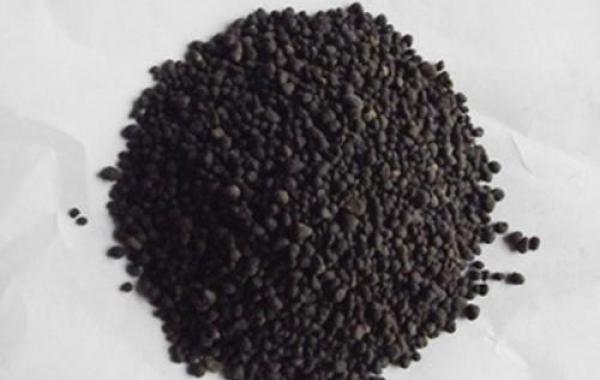
How to apply "seven graspings and seven releasings" when fertilizing flowers.
When fertilizing flowers, some practices are beneficial and some are harmful, so we should master the "seven graspings and seven releasings" technique well.
Seven dos for fertilizing flowers:
(1) Fertilize according to category.
Foliage plants should be given more nitrogen fertilizer to keep the leaves tender, crisp and green; flowering and fruiting plants should be given more phosphorus and potassium fertilizer to make the plants bloom early and fruit early; bulbous plants should be given more potassium fertilizer to help the bulbs plump up.
(2) Fertilize at the right time.
When the flower's leaf color becomes pale and growth slows down, fertilizing is most appropriate. Apply different fertilizers and different amounts according to the different growth stages of the flower; for example, at the seedling stage, mainly apply nitrogen fertilizer, using dilute fertilizer frequently, to promote rapid and robust seedling growth; after the plant is established, the fertilizer concentration can be appropriately increased and more phosphorus and potassium fertilizer added.
(3) Combine base fertilizer with topdressing.
Base fertilizer is mainly organic fertilizer, which supplies nutrients persistently and stably, and can improve soil structure and physical and chemical properties and raise soil fertility. Topdressing is mainly chemical fertilizer, characterized by abundant nutrients, fast fertilizer effect and strong nutrient supply, and is a necessary supplement to base fertilizer.
(4) Apply nitrogen, phosphorus and potassium fertilizer evenly.
For example, over-applying nitrogen fertilizer easily causes excessive vegetative growth of branches and leaves and delays or prevents flowering; over-applying phosphorus fertilizer inhibits the absorption of nitrogen and potassium, causing poor plant growth and easily leading to iron and zinc deficiency; over-applying potassium fertilizer inhibits the plant's vegetative growth and causes magnesium deficiency.
(5) Apply foliar fertilizer as appropriate.
During the plant's vigorous growth period or when trace elements are lacking, spraying foliar fertilizer as appropriate can promptly make up for the insufficiency of nutrients absorbed by the flower's roots. However, for foliar topdressing, the concentration must be strictly controlled to avoid burning the leaves.
(6) Fertilize when the soil is moist.
Fertilizing when the soil is dry easily causes the physiological loss of water in the flower's branches and leaves, leading to wilting, and in severe cases can cause the plant to die. Conversely, fertilizing on rainy days, because the soil's water content is high and its ability to absorb and retain fertilizer is poor, makes it easy for the fertilizer to be washed away by rainwater, and can also cause excessive vegetative growth of the plant's branches and leaves.
(7) Cover with an appropriate amount of soil after fertilizing.
Many people are accustomed to applying fertilizer in the surface soil layer, which not only easily causes the fertilizer to volatilize and be lost, but also burns the root system; especially in hot, dry weather, volatilization is faster and root damage is more severe. Therefore, after fertilizing, an appropriate amount of soil should be covered to prevent the loss of fertilizer nutrients and improve fertilizer efficiency.
Seven don'ts for fertilizing flowers:
(1) Fertilizing newly planted plants.
Newly planted plants have many root wounds; if stimulated by the outside, the wounds are not easy to heal, which will cause root rot and may even lead to the plant's death.
(2) Fertilizing diseased or weak plants.
Diseased and weak plants have weak growth vigor, poor photosynthesis, slow metabolism and low ability to absorb fertilizer; if fertilized indiscriminately, fertilizer damage is instead likely to occur.
(3) Fertilizing during the flowering period.
Fertilizing during the flowering period will promote excessive vegetative growth of the plant, easily causing excessive growth and resulting in bud drop and flower drop.
(4) Fertilizing during the dormant period.
Flowers stop or slow their growth during the dormant period; if fertilizer is applied, it will break dormancy, prompt the plant to continue growing and affect flowering the following year.
(5) Fertilizing directly under the root crown.
When planting flowers, do not place the plant's root system directly on the base fertilizer; instead, add a layer of soil on top of the fertilizer, otherwise it is not only unfavorable for the fertilizer to be fully absorbed and used, but also easily harms the root system. In addition, when topdressing, depending on the plant's growth condition, apply it in holes at an appropriate distance from the roots to facilitate absorption by the root system.
(6) Applying raw fertilizer.
Applying organic fertilizer that has not been fully decomposed to flowers not only easily spreads pests and diseases, but the organic fertilizer will ferment and generate heat during decomposition, burning the plant's root system.
(7) Applying concentrated fertilizer.
When fertilizing flowers, the amount of fertilizer must be strictly controlled; avoid too high a concentration or too large an amount, otherwise it will burn the plant's root system and, in severe cases, cause death; generally, "apply dilute fertilizer frequently" should be followed.