What pesticides should be used to control damping-off in flowers and nursery stock
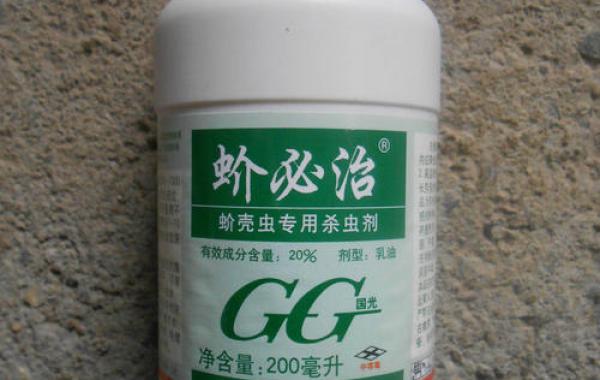
What pesticide can treat damping-off in flowers and nursery stock.
Pesticides that can treat damping-off in flowers and nursery stock:
(1) For both seedbed soil and potting soil, disease-free new soil or sterilized soil must be used. The soil sterilization method is to use 50 ml of 40% formalin mixed with 8-12.5 kg of water per sq m, pour it over the soil surface, cover with plastic film for 4-5 days, remove the covering, and sow after 7-10 days; or before planting or sowing, apply in furrows an equal mixture of 70% quintozene powder and 80% zineb, using 8-10 grams per sq m of ground.
(2) Irrigate before sowing or planting to keep sufficient moisture in the soil, and strictly control irrigation within 20 days after the seedlings emerge.
(3) At the early stage of seedling disease, irrigate with 200-300 times diluted Miaojunling solution or 700-800 times diluted 70% thiophanate-methyl solution, which can sterilize and protect the seedlings.
Damping-off of nursery stock
Damping-off of nursery stock occurs commonly in nurseries throughout China and causes severe damage. It mainly harms seedlings of pine, larch, fir, cypress and others, causing large numbers of nursery stock to die in a short time. Some broadleaf tree seedlings can also be affected.
I. Distribution and damage of damping-off
It occurs frequently in various places and can harm broadleaf tree species and coniferous trees. Except for cypress among the conifers, which has relatively strong resistance, all others are susceptible. Coniferous trees suffer the most damage, and it can harm Cunninghamia, Pinus, Larix, Ulmus, Ailanthus altissima, Toona sinensis, Betula, Robinia pseudoacacia and others.
1. Symptoms This disease mostly occurs from April to June. Because the onset period differs, four symptom types can appear:
① Bud rot type (underground rot type). 7-10 days after sowing, when the radicle and hypocotyl have developed, they are infected by the pathogen, which destroys the seed sprout tissue and causes rot.
② Damping-off type (lodging type). Within 60 days after the seedlings emerge, the young stems have not yet become lignified. The pathogen invades the root crown, producing brown spots that rapidly expand into water-soaked rot, after which the nursery stock lodges.
③ Stem and leaf rot type. It can occur in 1-3 year old seedlings. During the seedling emergence period, if humidity is too high, the nursery stock is too dense, or the covering is removed too late, infection by the disease causes the seedling stems and leaves to rot. The rotting stems and leaves have white filamentous material, and the dried stems and leaves have small granular sclerotia.