Avocados are naturally rich in healthy fats and burn fat too; in autumn there are many local fresh varieties, and experts teach you how to choose
"If a census were conducted on 'have you ever eaten an avocado,' half of Taiwan's population has probably never tasted this fruit." This is one avocado farmer's "unofficial statistic." In this "pick a side on avocados" survey, are Upstream and Downstream readers mostly in the "have eaten" or "have not eaten" camp?
Even though it is a crop that feels unfamiliar to many people, the avocado is no new immigrant to Taiwan; it was introduced to Taiwan as early as the Japanese colonial period, and Taiwan currently has more than 30 avocado varieties, with the planting area growing year by year. Every year from June to February of the following year is avocado season, and right now, as the autumn breeze blows, autumn-harvest varieties such as Hou'er, October Red and Qiuke De are selling well.
Through introductions by two avocado research experts, Upstream and Downstream invites everyone to get to know the fruit nicknamed the "fat-burning king of the fruit world," "forest butter" and "poor man's butter": the avocado. It is hoped that after reading this report, more readers will move from "No" to "YES" in the "pick a side on avocados" survey.
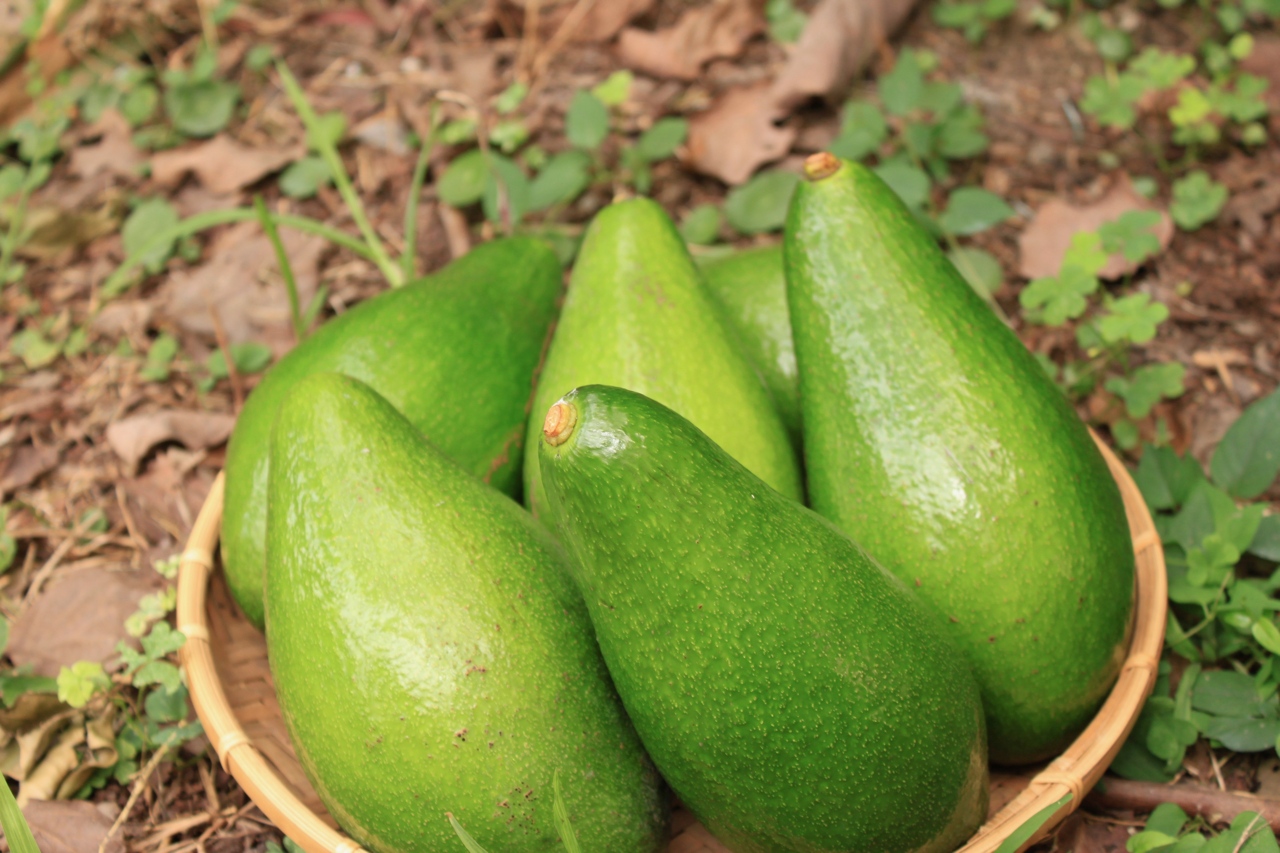
Opening a century of history: avocado cultivation has a long past
The avocado may have appeared on this land as early as when Taiwan was ceded to Japan. According to a 1925 report by Kijima Toyotomo, a technician at the Chiayi Agricultural Experiment Branch Station, after the Japanese Hashiguchi Bunzo went exploring in Mexico, he gifted several Mexican-type avocado plants to Taiwan in 1895, but unfortunately all of them withered and died after cultivation. In 1902, Niito Inazo, director of the Bureau of Productive Industries, introduced avocado seedlings from Hawaii and planted them in the Taipei Botanical Garden, but they also failed to survive.
From 1918 to 1931, the Japanese successively introduced different varieties and planted them at the Shilin and Chiayi Horticultural Experiment Branch Stations. By 1938, in addition to cultivating 23 kinds of avocados, the Chiayi Branch Station had also bred 5 varieties including "Nutmeg Seedling No. 1."
When Japan was defeated, the Japanese army destroyed more than two hundred old avocado trees of more than twenty varieties at the Chiayi branch station, dealing a heavy blow to Taiwan's avocado cultivation technology. Fortunately, farmers near the branch station kept some plants, and agricultural technicians re-propagated them through grafting or air layering. The Council for Agricultural Development (today's Council of Agriculture) then successively introduced various varieties from the United States and planted them at the Chiayi branch station, overcoming great hardships to lay the foundation of Taiwan's avocado industry.
Looking through the century-old record of avocado cultivation, there is no corresponding planting area record. This is because in the early years it was not vigorously promoted, and the public did not know the nutritional value and ways to eat avocados, so it remained overlooked until the avocado was finally listed in the "Annual Report of Agricultural Statistics" in 1997.
Flooding in production areas led to a decline in area, but in other years there has been an upward trend in production
Analyzing data from the past 23 years, the avocado planting area shows an N-shaped distribution. In the first year of registration, the planting area was 403 hectares. From 1997 to 2005, the planting area increased year by year, reaching a high of 925 hectares. Unfortunately, from 2006 to 2011 it declined year by year, and by 2011 only 505 hectares remained, setting a new low. Fortunately, after 2012 the planting area began to climb again, reaching 929 hectares by 2019, breaking the 2005 record.
Tsai Hui-wen, assistant researcher at the Chiayi Branch Station of the Taiwan Agricultural Research Institute, said the N-shaped distribution is because from 1997 to 2005 the consumer population increased and production efficiency improved, but after the peak stage of the avocado industry, consecutive years of flooding caused large numbers of plants to die, which is why there was a decline from 2006 to 2011. Driven by domestic and foreign film and television stars publicizing the unsaturated fatty acids contained in avocados, the global avocado craze, including in Taiwan, has intensified year by year, and Taiwan's avocado planting area has therefore increased.
In addition, because the avocado is a tropical fruit, cultivation in Taiwan is mainly in the south, and over the 23 years recorded in the annual statistical report, the planting area in Danei, Tainan, has always ranked first.
Avocados need the right place and the right variety, and Taiwan's cultivation technology is improving by the day
Avocado researcher Chung Chih-ming, who established the "Avocado (Happiness Fruit) Theme Pavilion," said that Taiwan named the crop with the scientific namePersea americanaand the English name Avocado "butter pear" because "its shape is like a pear and its flesh is like cheese." The Japanese call it crocodile pear, which should be a direct translation of its other English name, Alligator Pear.
Do not assume that just because avocados each look "sturdy and strong," they can be planted casually and will grow casually. Chung Chih-ming said that avocados are actually not easy to care for, especially in the first few years after planting, when the probability of plants dying is not low. Because it is a shallow-rooted crop, the avocado is extremely prone to disease and also easily damaged by strong winds. In addition, it needs to be planted in land with good ventilation and drainage, and it prefers slightly acidic soil. Common diseases include root rot, saw rot, brown root disease and anthracnose, while the main pests are the Oriental fruit fly, the spined brown stink bug and scale insects.
However, because avocado prices are stable and the harvest period is long, farmers can adjust the production period themselves, and relatively speaking their income is better than with other crops. Therefore, despite the above cultivation difficulties, in recent years more and more farming households have successively entered the avocado industry. Farmers and research teams inspire each other, and Taiwan's avocado cultivation technology has also grown stronger by the day.
"Naturally healthy fat": healthy to eat, beautiful to use
Compared with other fruits, the avocado is not only low in sugar, but its sugar is a unique seven-carbon sugar, and preliminary research shows it may be a substance that helps control blood sugar and body weight. Second, the avocado's mineral and vitamin content is also astonishing: its potassium is 1.5 times that of an equal amount of banana, and its iron is 7 times that of an apple. The avocado is also one of the few foods rich in both vitamin C and E, and through vitamin C reducing oxidized vitamin E, it can achieve an antioxidant function.
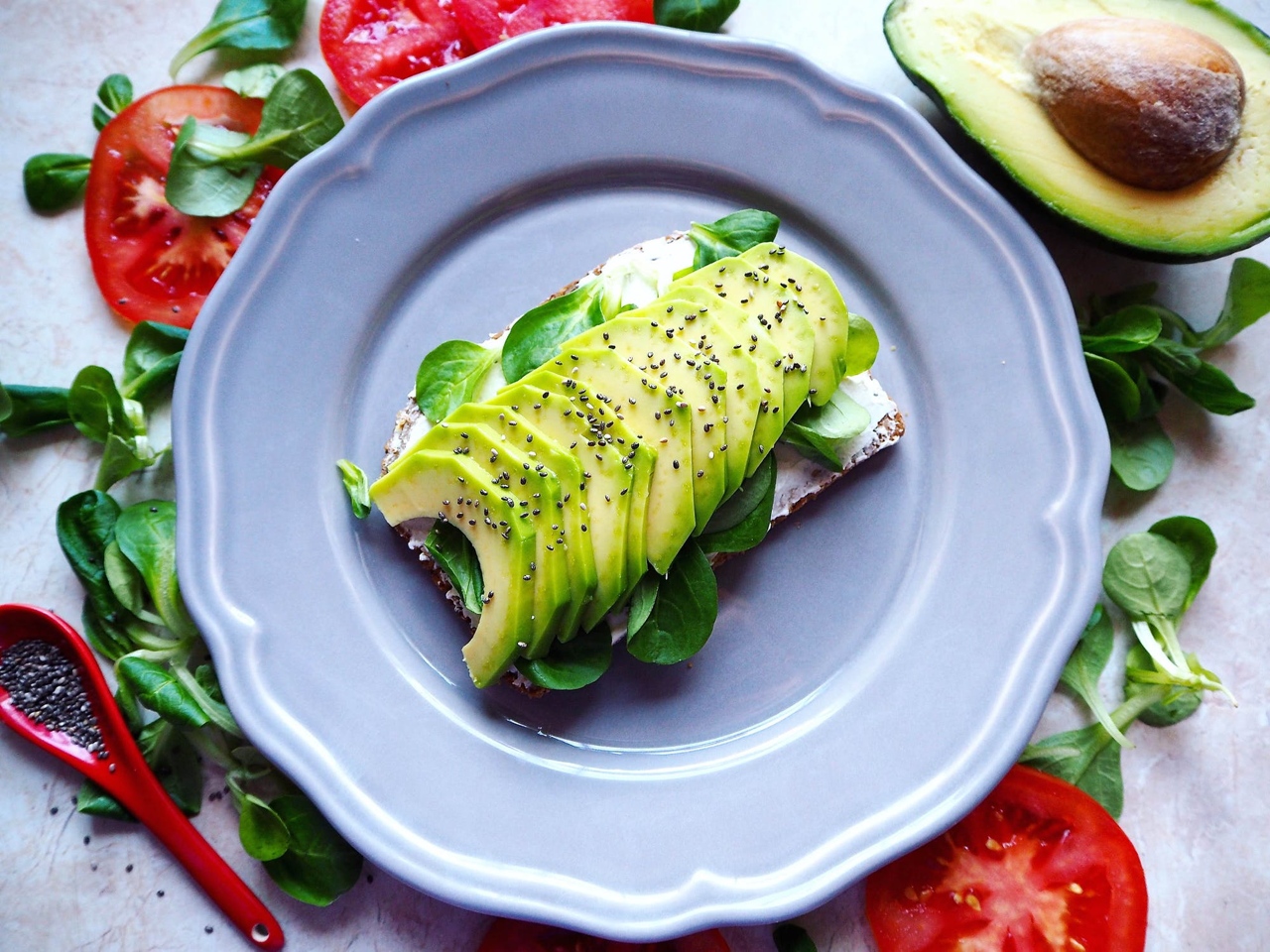
But most important of all is the avocado's "naturally healthy fat": it is rich in fat, especially monounsaturated fatty acids, which account for 71%. Because fats need 4 to 6 hours to be fully digested after entering the human body, they can prolong satiety and reduce food intake. In addition, the avocado is rich in dietary fiber; in every 3 grams of weight, there are 2 grams of fiber. This water-soluble dietary fiber absorbs water and expands after entering the body, occupying space in the stomach and indirectly creating a sense of fullness. These are the reasons why people who care about their weight flock to avocados.
The avocado is also a great beauty care item, because avocado oil is very easily absorbed by the skin and has an excellent moisturizing and nourishing effect. In addition, because it is rich in vitamin C and E and minerals, it has a sunscreen effect, so it can be used as a hand care product, face mask or hair oil, using the most natural way to keep skin delicate and soft and to provide nourishment and moisturizing benefits to hair.
A lifetime studying one crop: Chung Chih-ming bred two new avocado varieties
For such a superfruit to be cultivated and promoted in Taiwan, Chung Chih-ming deserves great credit. During his time at the Chiayi Branch Station of the Taiwan Agricultural Research Institute, he introduced seeds from the United States three times, and most of the avocado varieties commonly seen in Taiwan today were introduced by him. He is also the breeder of "Tainong No. 1" and "Tainong No. 2."
"Since you've done it, do it as well as you can." This is Chung Chih-ming's attitude toward agricultural research. During 30 years working at the Taiwan Agricultural Research Institute, 27 of them were spent researching avocados. Even though he retired 7 years ago, he still regularly reads papers or looks up foreign cases online. "I still think about avocados morning and night. It is what I have researched my whole life, and I am full of affection for it," he said.

Chung Chih-ming spent nearly 20 years breeding two avocado varieties. The mother plant of "Tainong No. 1 (Red Sweet)" is Lula, successfully bred in 2008, and its characteristics are springy flesh, high oil content and a sweet aftertaste in the throat. The following year he released "Tainong No. 2 (Green Gold)," whose mother plant is Chiayi Selection No. 3. It is nicknamed "Green Gold" because its skin is still green when ripe, and its golden-yellow flesh is dense and delicate, and it has also been quite well received by the market.
Breeding takes so much time because just confirming a suitable mother plant takes 7 or 8 years, and after that, growing from seed requires another 7 or 8 years before there is fruit. Chung Chih-ming said that breeding work makes people want to pursue perfection, but there is no perfect variety in the world. Because retirement was approaching, he told himself not to be too much of a perfectionist, and only then did he successively release two varieties with plant variety rights before retirement, benefiting farmers and consumers.
Calling on the government to establish avocado harvest standards to give consumers confidence
Although he has retired from the Taiwan Agricultural Research Institute, Chung Chih-ming still kept talking during the interview about the "harvest maturity" he worries about. He said that the longer an avocado hangs on the tree after ripening, the higher its oil content, the better it tastes after harvest, and the more
Related Articles
- How to prevent and control rabies in dogs? Timely vaccination of puppies ensures safety
- How to Explore Keelung's Fishing Port Docks? Practical Tips for Picking Fresh Seafood
- The Slow Food movement advocates that how you eat matters more than what you eat, helping you eat your way to health
- How to Identify Inferior Cooking Oil? Key Points for Quality Control from Cultivation to Purchase
- Which agricultural activities require tax payment? The ranch court case clarifies the boundary of tax exemption
- Ractopamine, a lean meat agent, is banned; scientific pig farming to increase lean meat percentage is the right path
- Horizontal Windbreak Nets for Welsh Onion Cultivation in Winter Reduce Losses
- Top Ten Fungicides Ranking Released, a Useful Reference for Farmers Choosing Products