How to Save Wilted Flowers? A Detailed Guide to Practical Remedies
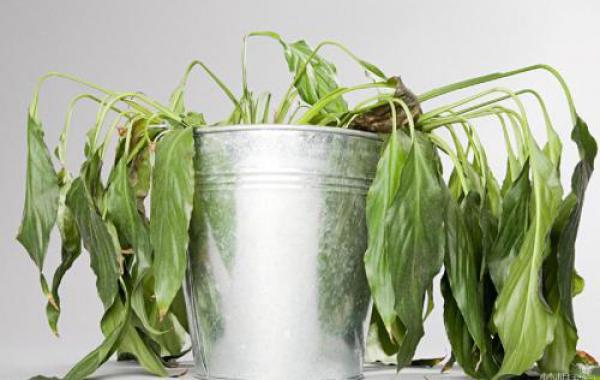
Remedies for Saving Wilted Flowers
In our daily gardening, we often notice symptoms such as wilting and withering in flowers. So what should we do when flowers wilt? Below, the agricultural supplies editor introduces remedies for saving wilted flowers.
For potted flowers, because the pot holds little water, forgetting to water them, especially missing a watering in the heat of summer, often easily causes leaves to wilt. If they are not saved in time, the plant will often wither over time. If the remedy is done incorrectly, it can sometimes also cause the plant to die.
The correct approach is: when you notice the leaves wilting, immediately move the flowerpot to a shady, cool place, spray some water on the leaf surfaces, and water with a small amount of water. Afterwards, as the stems and leaves gradually recover their upright posture, gradually increase the amount of water. If at this point you suddenly water too much, it may cause the plant to die. This is because after a flower wilts, large numbers of root hairs have been damaged, greatly reducing its water-absorbing capacity; only after new root hairs grow can it recover its original water-absorbing capacity.
At the same time, wilting causes the cells to lose water. When water is encountered, the cell walls absorb water first and expand rapidly, while the protoplast absorbs water afterwards and expands slowly. If at this moment you suddenly pour on a large amount of water, it will cause plasmolysis, damaging the protoplast and thereby causing the flower to die.
Remedies for Saving Wilted Indoor Flowers
Control watering
Because indoor space is small, after flowers are brought indoors, the amount of water evaporating from the plant surface will decrease. If the watering amount is not adjusted at this time, it will cause the potting soil to be too wet, and in severe cases signs of root rot will appear. Therefore, controlling the amount of water is very important, and the water amount must be constantly adjusted according to the plant.
Reduce the amount and frequency of fertilizing
In autumn, after flower plants have gone through their peak growing season, their growth will gradually slow down. At this time, after the flowers are moved indoors, they will grow rapidly, but at this point we should reduce or stop fertilizing, because the plants themselves already need very little fertilizer. Too much fertilizer is very likely to cause fertilizer burn, thereby causing the plant to develop yellow leaves.
Adjust to reasonable light
There are many varieties of flowers, and the habits of each kind of flower differ. For light-loving flowers, they should promptly be placed in a sunny spot to ensure light, avoiding yellow leaves caused by insufficient light. Conversely, for shade-loving flowers, they should promptly be kept out of the light and placed in a shaded spot, to ensure that the leaves do not lose their green color due to overly strong light.
A good ventilation environment
Some flowers are very sensitive to ethylene. Ethylene can cause some flowers to age prematurely, thus producing yellow leaves, and an indoor space that is not ventilated for a long time easily accumulates ethylene. Therefore, if you want your flowers to grow with luxuriant branches and leaves and be full of green, you might as well ventilate the room more often.
Maintain a suitable temperature
Unsuitable temperatures can also cause the leaves of the plant to turn yellow. Before and after being brought indoors, the temperature of the flowers' growing environment changes greatly, thus causing discomfort to the flowers, and this can also cause yellow leaves in the plant. Therefore, it is very important to pay attention to adjusting the temperature to suit the growth of the flowers.