What are the remedial measures for flowers after a typhoon?
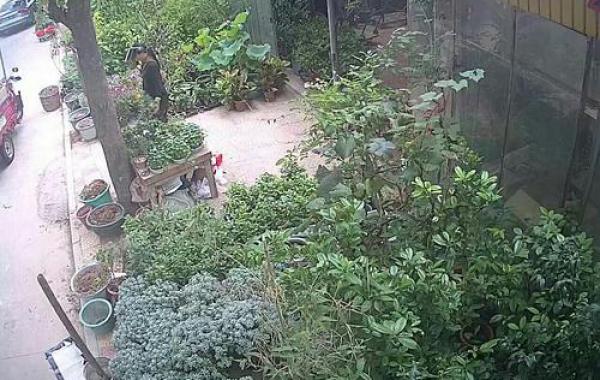
How remedial measures should be taken for flowers after a typhoon.
Remedial measures should be taken promptly for flowers after a typhoon, mainly doing the following well:
(1) Carry out garden clearing: prune dead branches and withered leaves, and remove fallen leaves to avoid the spread of disease.
(2) Drain standing water: clear ditches for drainage, and avoid prolonged waterlogging so as to prevent suffocation, yellowing leaves, ethylene production, and phenomena such as leaf wilting and dropping.
(3) Cultivate and earth up: after the surface soil has dried to an appropriate degree, carry out cultivation and earth up appropriately with a small amount of fully decomposed organic fertilizer; if root damage is too severe, a trace amount of foliar fertilizer can be used to promote recovery of normal growth.
(4) Right blown-down flowers and nursery stock promptly, because this is the stage of vigorous crop growth, when crops take shape very easily; if the nursery stock is not righted promptly, it will become crooked in three to five days. For flowers that are intolerant of rain, if the film is blown open, spray promptly with new high lipid membrane to form a protective film.
(5) Prevent and control diseases: diseases prone to occur after a disaster, such as downy mildew, gray mold, soft rot, and blight, should have prevention and control strengthened to avoid the spread of disease, especially because after facility damage the growth environment is different, making sunscald, blight, black spot disease, anthracnose, and others more likely to occur.
(6) Potted flowers: right potted flowers that have been blown over; damaged flowers, branches, and leaves should be pruned and sprayed with fungicide, and watered thoroughly to restore growth vigor; if the medium is too dry and does not readily absorb water, a spreading agent may be added appropriately to the irrigation water. If the medium has tipped over, the medium must be replenished and watered thoroughly.
(7) Facilities and equipment: if the plastic sheeting or horizontal net frames of simple greenhouses and shade nets are damaged, they should be repaired as quickly as possible, so as to prevent the damage from expanding due to wind disaster. If water storage ponds or water towers are damaged, they should be repaired as quickly as possible to avoid water cutoff or shortage affecting plant growth.