What are the key technical points for overwintering management of flowers?
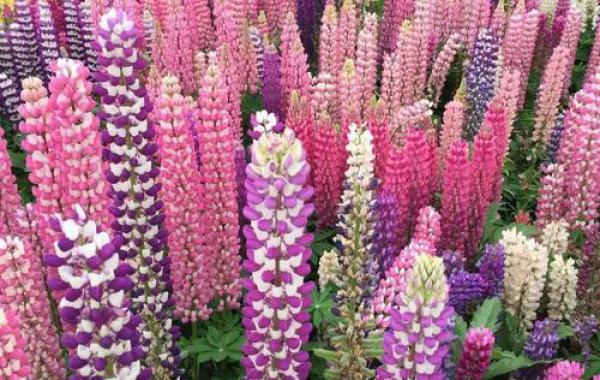
How should flowers be managed through the winter.
Flower overwintering management tips:
Cold protection
Asparagus fern (Asparagus densiflorus), asparagus fern (Asparagus cochinchinensis), cast-iron plant (Aspidistra elatior), Japanese aralia (Fatsia japonica), variegated ivy, coral plant, Chinese fan palm (Livistona chinensis), Boston fern (Nephrolepis cordifolia), broadleaf lady palm (Rhapis excelsa), heavenly bamboo (Nandina domestica), banana shrub (Michelia figo), lucky bamboo (Dracaena sanderiana), firethorn (Pyracantha), camellia (Camellia japonica), Cymbidium goeringii, Cymbidium faberi, bamboo palm, Sasa fortunei, sago palm (Cycas revoluta) and others can be placed in a simple plastic greenhouse with a temperature no lower than 0 degrees C to prevent cold damage.
For ornamental plant species that require an overwintering temperature no lower than 5 degrees C, such as Norfolk Island pine (Araucaria heterophylla), dwarf umbrella tree (Schefflera arboricola), rubber tree (Ficus elastica), jasmine (Jasminum sambac), white magnolia (Michelia alba), Chloranthus, pocket coconut (Chamaedorea elegans), calla lily (Zantedeschia aethiopica), Philodendron bipinnatifidum, Swiss cheese plant (Monstera deliciosa), Cymbidium ensifolium, Cymbidium sinense, Belgian azalea (Rhododendron simsii), bougainvillea (Bougainvillea spectabilis), cyclamen (Cyclamen persicum), primrose (Primula), lantana (Lantana camara), kumquat (Fortunella margarita), bitter orange (Citrus aurantium), lemon (Citrus limon), areca palm (Dypsis lutescens), geranium (Pelargonium), Chinese hibiscus (Hibiscus rosa-sinensis), Buddha belly bamboo (Bambusa ventricosa) and others, they can overwinter in a double-layer plastic greenhouse.
For flower and tree species that require an overwintering temperature no lower than 10 degrees C, such as croton (Codiaeum variegatum), caladium (Caladium bicolor), peperomia (Peperomia), arrowroot (Maranta), lucky bamboo (Dracaena sanderiana), fishtail palm (Caryota), Brazilian iron (Caesalpinia ferrea), money tree (Pachira aquatica), nerve plant (Fittonia), bromeliad (Bromeliaceae), pink poinsettia, poinsettia (Euphorbia pulcherrima), large-flowered cymbidium (Cymbidium hybridum), bleeding heart vine (Clerodendrum thomsoniae), golden shrimp plant (Pachystachys lutea), Aglaia odorata, Phalaenopsis, Cattleya, Dendrobium, South American cycad, red (green) gem, Oncidium, Cymbidium hookerianum and others, in a well-sealed double-layer greenhouse, they must also be appropriately heated; during particularly cold periods, from 4 pm to 9 am the next day, cover the top of the greenhouse with straw curtains, and remove them after the temperature turns warm again.
For relatively cold-tolerant potted and bonsai plant species, such as wintersweet (Chimonanthus praecox), plum blossom (Prunus mume), crabapple (Malus spectabilis), rhododendron, pomegranate (Punica granatum), Chinese elm (Ulmus parvifolia), plum yew, oak, crape myrtle (Lagerstroemia indica), wisteria (Wisteria sinensis), boxwood (Buxus), Buddhist pine (Podocarpus macrophyllus), trident maple (Acer buergerianum), Chinese cypress, Chinese juniper (Juniperus chinensis), red cedar, water willow, Chinese holly (Ilex cornuta), Fraxinus chinensis and others, when the temperature is not lower than -10 degrees C, they generally will not freeze; in particularly cold weather, add a ground film or soft grass for cold protection.
Whether placed in a large greenhouse, a conservatory, or indoors, bonsai, potted flowers, and foliage and fruit ornamental plants must not only maintain the corresponding indoor temperature, but also receive attention for ventilation; windows and doors can be opened around noon, when the temperature is highest in the day, for ventilation and air exchange to prevent leaf drop, flower drop, and fruit drop. When ventilating, care must also be taken not to let cold wind blow directly on the plants, to avoid adverse reactions.
Watering
For most potted flowers and bonsai placed in conservatories, greenhouses, and indoors, keep the potting soil moist as the standard; if the temperature is low and too much water is given, it is very easy to cause root rot in the plants. When the temperature rises, increase the amount of watering and give appropriate leaf-surface misting.
For those potted flower plant species that bloom around the Spring Festival, such as camellia (Camellia japonica), sasanqua camellia (Camellia sasanqua), Belgian azalea (Rhododendron simsii), plum blossom (Prunus mume), wintersweet (Chimonanthus praecox), cineraria (Pericallis cruenta), primrose (Primula), kalanchoe (Kalanchoe blossfeldiana), hyacinth (Hyacinthus orientalis), European daffodil (Narcissus) and others, and fruit ornamental types such as bitter orange (Citrus aurantium), lemon (Citrus limon), fingered citron (Citrus medica var. sarcodactylis), four-season mandarin, gold bean, winter coral, lucky seed, heavenly bamboo (Nandina domestica) and others, not only should the potting soil be kept moist, but leaf-surface misting must also be given, to help the flower buds expand and also to increase the brightness of the flowers and fruits.
For most foliage plants placed indoors, not only should the potting soil be kept moist, but leaf-surface misting should also be given, always keeping the plant leaves clean; for less cold-tolerant foliage plant species, such as pink poinsettia, Syngonium, arrowroot (Maranta), croton (Codiaeum variegatum), Aglaonema and others, when the room temperature is already close to the lowest temperature limit they can tolerate, special attention should be paid to controlling the amount of watering, so as to ensure their safe overwintering.
For watering time in December, the 3 to 4 hours around noon is best, and the water temperature should be kept basically consistent with the air temperature and soil temperature, to avoid adverse reactions in potted flowers caused by water temperature being too low.
Pest and disease control
For flower and tree species whose leaves are prone to pests and diseases, such as grape, crabapple, rose, Chinese rose, camellia, crape myrtle and others, collect the dead branches and fallen leaves under the plants and burn them, which can reduce the occurrence of diseases next year. At the same time, spray lime sulfur mixture for sterilization and disinfection; for powdery mildew on potted cineraria and gray mold on primrose, the former should be promptly controlled with triadimefon or thiophanate-methyl, and the latter with thiophanate-methyl; for flower and tree species in greenhouses that are prone to scale insects, such as bitter orange (Citrus aurantium), fingered citron (Citrus medica var. sarcodactylis), sago palm (Cycas revoluta), camellia (Camellia japonica), cast-iron plant (Aspidistra elatior) and others, first wipe them once with a cloth, then control them with pesticides such as methidathion; for flower and tree species on which aphids often appear on potted plants when ventilation is poor, such as white magnolia (Michelia alba), Aglaia odorata, bitter orange (Citrus aurantium), Chinese rose, Fujian tea and others, tobacco water can be used for control; for the various scale insects that often appear on the trunks and large branches of open-field cultivated plants such as Pittosporum tobira, osmanthus (Osmanthus fragrans), plane tree (Platanus), camellia (Camellia japonica), Ligustrum quihoui, firethorn (Pyracantha), oleander (Nerium oleander), crabapple (Malus spectabilis), white magnolia (Magnolia denudata), redbud (Cercis chinensis), gardenia (Gardenia jasminoides), cedar (Cedrus deodara), photinia (Photinia), crape myrtle (Lagerstroemia indica), wintersweet (Chimonanthus praecox) and others, such as horned wax scale, Japanese wax scale, red wax scale, armored scale, arrowhead scale, mealybug, felt scale and others, at this time use higher-concentration pesticides such as methidathion, quinalphos, and buprofezin for spraying and killing, and there is rarely any pesticide damage.
1. Temperature (each flower has its own low-temperature tolerance limit, which can be looked up):
1. For flowers that can tolerate cold and low temperatures, cold temperatures (5 to 12 degrees C, below 5 degrees C), such as pomegranate (Punica granatum), Chinese rose, wintersweet (Chimonanthus praecox), osmanthus (Osmanthus fragrans), palm (Arecaceae), Chaenomeles speciosa and crape myrtle (Lagerstroemia indica) and others, they can be placed outdoors in a courtyard or on a balcony in a sunny spot.
2. For flowers that need to be kept at medium temperature (12 to 20 degrees C), such as white magnolia (Michelia alba), camellia (Camellia japonica), rhododendron, banana shrub (Michelia figo), clivia (Clivia miniata), fuchsia (Fuchsia hybrida) and wax begonia (Begonia semperflorens) and others, they must be moved indoors before the temperature drops to 10 degrees C.
3. For flowers that can grow normally only under high temperature (18 to 30 degrees C), such as Aglaia odorata, Chinese hibiscus (Hibiscus rosa-sinensis), jasmine (Jasminum sambac), croton (Codiaeum variegatum), narcissus (Narcissus), epiphyllum (Epiphyllum oxypetalum), Dutchman's pipe cactus (Epiphyllum), cactus (Cactaceae), ball cactus and aloe (Aloe) and others, they must be moved indoors before the temperature drops to 12 degrees C; before the temperature drops to 5 degrees C, put plastic bags over the flower pots, tie the plastic bags tightly, and leave a few small holes in the bags for ventilation. Around noon on clear, windless days, move them outdoors to sun for a few hours, then move them back indoors to keep warm.
How to grow flowers in winter (overwintering management)
2. Pruning: Before potted flowers overwinter, they should be pruned and shaped in good time, to reduce nutrient consumption and reduce the indoor space occupied during overwintering.
3. Fertilizing: Apply fertilizer once before overwintering, and water thoroughly. During overwintering, flowers generally should stop being fertilized.
4. Watering: Generally keep the potting soil dry, water less; for watering time in December, the 3 to 4 hours around noon is best, and the water temperature should be kept basically consistent with the air temperature and soil temperature, to avoid adverse reactions in potted flowers caused by water temperature being too low.
5. Ventilation: Pay attention to regular ventilation, preferably on sunny days with sun, or at noon when the temperature is higher. When ventilating and exchanging air, care must also be taken not to let cold wind blow directly on the plants, to avoid adverse reactions.
6. Early spring: In early spring next year, generally during the period from the Spring Equinox to Qingming, overwintered flowers can be moved outdoors one after another, and given fertilizer water, such as biological organic fertilizer, yellow-leaf cure, trace-element water-soluble fertilizer and others, so that the flowers grow normally in spring.
7. Pest and disease control: For flower and tree species whose leaves are prone to pests and diseases, such as crabapple types, rose, camellia (Camellia japonica) and others, collect the dead branches and fallen leaves under the plants and burn them, which can reduce the occurrence of diseases next year. At the same time, spray carbendazim for sterilization and disinfection. For ** disease, rust disease, and gray mold on primrose, triadimefon or thiophanate-methyl can be used promptly for control respectively. For flower and tree species on which aphids often appear on potted plants when ventilation is poor, such as white magnolia (Michelia alba), Aglaia odorata and others, imidacloprid can be used for control. For scale insects, of course, the highly targeted jiebijiezhi must be used for control.
In winter, for some shallow-pot landscape bonsai and tree-stump bonsai, careful management is essential: 1. prevent the potting soil from freezing and injuring the plant root system, 2. prevent freezing from disintegrating the artificially cemented rocks, 3. prevent the plants planted on the rockery from freezing to death or drying to death. They can be placed in a place that does not freeze, and given regular watering and misting, so that they can overwinter safely.