What are the symptoms of nutrient deficiency in flowers and plants?
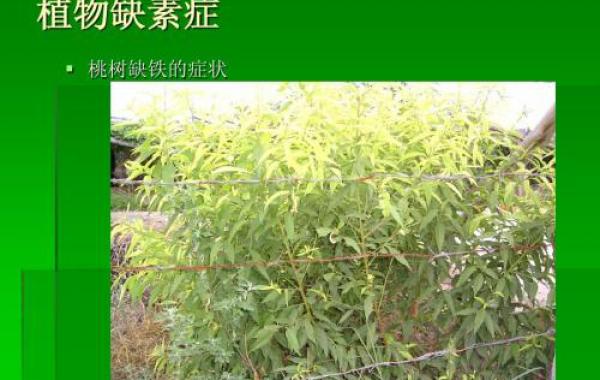
What are the manifestations of nutrient deficiency in flowers and plants.
If fertilizer application to flowers and plants is unreasonable, it will lead to nutrient deficiency, and a deficiency of different elements will produce different manifestations.
Manganese deficiency symptoms are basically similar to iron deficiency: chlorotic spots appear between the veins and gradually form stripes, but the veins remain green.
With boron deficiency, young leaves become chlorotic, the leaves are thick and wrinkled, the leaf margins curl upward, the root system is poorly developed, the growing points of the terminal bud and young roots die, and flowers and fruit drop.
With calcium deficiency, the terminal bud is damaged and root tips become necrotic, young leaves become chlorotic, the leaf margins curl upward and scorch, and the leaf tips are often hook-shaped.
With sulfur deficiency, the leaf color turns pale green, even white, and this spreads to new leaves; the leaves are small, the plant is stunted, flowering is delayed, and the roots elongate noticeably.
With zinc deficiency, the internodes of the plant shrink markedly and become rigid, the leaves turn yellow or become smaller, yellow spots appear between the veins and spread to new leaves, and the young leaves are hard and small and become yellow-white.
With molybdenum deficiency, young leaves are yellow-green, and the leaves lose their green color, wither, and eventually become necrotic.
With copper deficiency, the leaf tips turn white, young leaves shrink, and white leaf spots appear.
The factors causing nutrient deficiency symptoms are varied, such as insufficient or imbalanced nutrients; soil that is too acidic or too alkaline, causing certain nutrient elements in the soil to become ineffective; poor soil physical and chemical properties, and so on, thus forming a wide variety of deficiency symptoms. For control methods, the remedy must be suited to the case, and the following measures should be taken respectively: 1) Foliar topdressing: based on the symptoms, infer which element is deficient, then select that element, prepare a solution of a certain concentration, and spray it on the leaves. 2) Apply more decomposed organic fertilizer to improve the soil's physical and chemical properties. 3) Use a complete-element compound fertilizer. 4) Carry out winter plowing and sunning of the soil to promote soil weathering and bring the soil's potential fertility into play.
Nitrogen deficiency: the plant is light green, the old leaves at the base turn yellow and become brown when dry. The stem is short and thin, with few branches or tillers, and premature senescence occurs. If a fruit tree is deficient in nitrogen, it shows small fruit, few fruit, and hard fruit skin. Phosphorus deficiency: the plant is dark green, often red or purple, and dark green when dry. The stem is short and thin, the basal leaves turn yellow, the flowering period is delayed, and the seeds are small and not plump.
Potassium deficiency: the stem is prone to lodging, the leaf margins become yellow, scorched, and fragmented, necrotic spots appear between the veins, the whole leaf is sometimes cup-shaped and curled or wrinkled, and there are many brown roots. Grain crops and other crops with high sugar content have a relatively large potassium requirement in the later growth stage, such as cereal crops and potatoes, sweet potatoes, watermelons, grapes, and so on.
Magnesium deficiency: the leaves turn yellow, sometimes variegated (which differs from nitrogen deficiency), the veins remain green while the areas between the veins turn yellow, sometimes purple, and necrotic spots appear.
Iron deficiency: chlorosis between the veins, showing a clear net-like pattern; in severe cases the whole leaf, especially young leaves, turns pale yellow, even white. For example, camphor trees and gardenias are prone to showing these symptoms.
Boron deficiency: it first appears at the top, such as growth stopping at the tip. Young leaves are deformed and wrinkled. Irregular chlorosis occurs between the veins. The flowers but no seeds of rapeseed, the buds but no flowers of cotton, the fruit shrinkage disease of apples, and the heart rot of radishes all belong to the causes of boron deficiency.
Zinc deficiency: the leaves are small and clustered, spots appear on both sides of the leaf surface, the plant is stunted, the internodes are shortened, and the growth period is delayed. For example, the little leaf disease of fruit trees and the white seedling of corn. Copper deficiency: new leaves become chlorotic, the leaf tips turn white and curl like a paper twist, necrotic spots appear on the leaves, and then they wither.