How should you fertilize hydroponic flowering plants correctly?
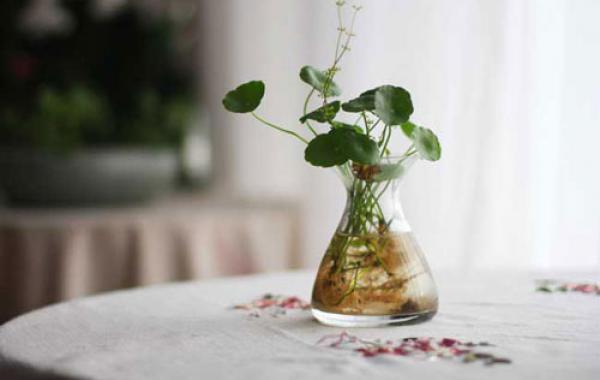
Many friends grow hydroponic flowering plants at home. Growing hydroponic plants is relatively effortless and labor-saving, but daily care still requires extra attention, such as fertilizing. Below, the editor will take a look together with everyone at the fertilizing techniques for hydroponic flowering plants.
1. Fertilizer selection: There are special nutrient solutions for hydroponic plants on the market. When using them, strictly follow the instructions, and be sure to control the fertilizer concentration. Never apply blindly, otherwise it may cause fertilizer burn. Generally, foliage plants should be given mainly nitrogen fertilizer, supplemented by phosphorus and potassium fertilizer; flowering plants, especially during their flower bud differentiation and flower bud development stages, should be given mainly phosphorus and potassium fertilizer, supplemented by nitrogen fertilizer.
2. Fertilizing time: Hydroponic flowering plants are generally fertilized in the vigorous growing seasons of spring and autumn, and it is suitable in winter and summer. If plants show poor nutrition in summer and their growth is affected, a 0.1% urea solution can be sprayed on the leaves.
3. Fertilizing concentration: When fertilizing, strictly control the concentration, because all the nutrient elements applied are dissolved in water. When the concentration reaches a certain level, it will cause fertilizer burn to the flowers, thus affecting their growth and even causing the entire plant to die. ① Different flowers require different fertilizing concentrations. Flowers such as arrowhead plant, mini monstera, and red emerald philodendron are relatively tolerant of fertilizer, so fertilization can be stronger; flowers with slender roots, such as Sihai Bo, spiderwort species, begonia species, and coleus, have poor fertilizer tolerance, so fertilization should be lighter. ② For hydroponic flowers, the concentration applied should also be determined according to the strength of the plant's growth vigor. Generally speaking, plants with strong growth vigor have greater fertilizer tolerance, so fertilization can be relatively stronger; otherwise, it should be lighter. When indoor hydroponic flowers are undernourished, fertilization should be stopped or the concentration reduced to avoid fertilizer burn.
4. Handling fertilizer burn: If after fertilizing the flowers' branches and leaves appear weak and listless, the leaves lose their luster, and the roots rot and smell, these are signs of fertilizer burn. Once the above situations occur, promptly cut off the rotten roots, replace with clean water, and place them in a dark place for care, changing the water once a day, and check the flowers' roots, promptly cutting off rotten roots, until new roots sprout again, then return to normal care.