What issues should be noted when fertilizing flowers?
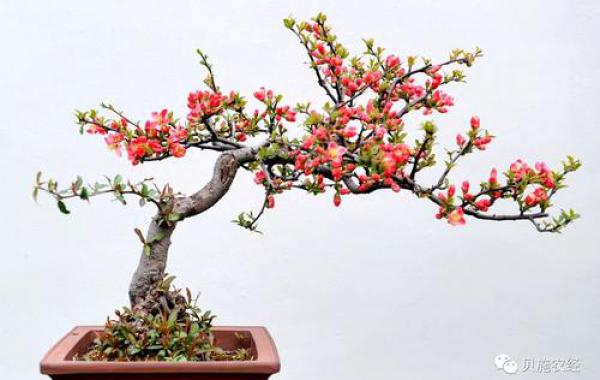
What issues should be noted when fertilizing flowers.
1. When fertilizing, pay attention to the type of flower. Different types of flowers have different fertilizer requirements. For example, osmanthus and camellia (Camellia japonica) like pig manure and dislike human feces and urine; rhododendron, camellia, and gardenia (Gardenia jasminoides) and other flowers dislike alkaline fertilizers; foliage-oriented flowers can be given more nitrogen fertilizer; flowers grown mainly for large blooms (such as chrysanthemum, dahlia, etc.) need an appropriate amount of complete fertilizer during the flowering period so that all the flowers can open and achieve beautiful form and vivid color; flowers grown mainly for their fruit should have fertilizer and water appropriately controlled during the flowering period, and sufficient complete fertilizer applied during the fruit-swelling stage to achieve the desired effect; bulbous flowers should be given more potassium fertilizer to help the bulbs become plump; fragrant flowers, once they enter the flowering period, should be given more phosphorus and potassium fertilizer to promote a strong fragrance; flowers that need heavy pruning every year require a higher proportion of phosphorus and potassium fertilizer to promote the sprouting of new branches.
2. When fertilizing, pay attention to the season. Spring and autumn are the peak growth periods for flowers, when roots, stems, and leaves grow, flower buds differentiate, and young fruits swell, all of which require more fertilizer, so more topdressing should be applied as appropriate; in summer, temperatures are high, water evaporates quickly, and it is also a period of vigorous flower growth, so the concentration of topdressing should be lower and the frequency can be higher; in winter, temperatures are low, plant growth is slow, and most flowers are in a state of growth stagnation, so fertilizer is generally not applied; in addition, when applying organic fertilizer, it must be thoroughly decomposed, and raw fertilizer must not be used.
3. Fertilization must not be excessive. Fertilization should be based on the needs of flower growth: when seedlings are small, it should be light and little; when seedlings are large, the concentration and frequency of fertilization can be appropriately increased. Flowers absorb nutrients from the soil solution through their roots. If too much fertilizer is applied, the soil solution concentration becomes too high, and the water in the root cells is instead drawn out of the cells by the overly concentrated soil solution, causing the leaves to turn scorched yellow and the root system to be "burned to death."
Organic fertilizer must also be thoroughly decomposed before it can be applied. This is because organic fertilizers such as tree leaves, vegetable leaves, and fish innards produce a great deal of heat during the process of rotting and fermenting. If they are placed directly at the roots of flowers without being fully decomposed, they will "burn the roots to death" during the process of rotting, fermenting, and releasing heat.
4. Correctly grasp the usage and amount of base fertilizer and topdressing. Fertilizer applied into the soil before flowers are planted or potted is called base fertilizer. It is generally in dry powder form, such as poultry and livestock manure, bone meal, soybean cake, etc. It is required to contain relatively complete components such as nitrogen, phosphorus, and potassium, be beneficial for improving soil structure, and be able to decompose continuously, ensuring a continuous supply over a longer growth period. Base fertilizer must be decomposed. When planting flowers, apply it below or around the roots, but it must not come into direct contact with the roots. When used in pots, the amount should be determined according to the different types of flowers. Base fertilizer is the foundational nutrition for flower growth and should be taken seriously.
During the growth period of flowers, because of the luxuriant growth of branches and leaves and the large amount of flowering and fruiting, a considerable amount of nutrients is consumed, so fertilizer needs to be replenished at any time. This is called topdressing. Topdressing is mostly based on liquid fertilizer, which facilitates absorption by the soil and utilization by the root system.
Topdressing can use either inorganic fertilizer or organic fertilizer. With inorganic fertilizer, be sure to pay attention to a suitable concentration, usually 0.1~0.5%, to avoid harm caused by too high a concentration; organic fertilizer must be fully decomposed, and the principle of "small amounts, many times" should also be mastered.
5. How to carry out foliar fertilization. Foliar fertilization is dissolving fertilizer in water and spraying it on the leaf surface, so that it penetrates into the leaves through the stomata or cuticle of the leaf surface for the plant to use.
Not every fertilizer can be used for foliar fertilization. Only fertilizers with relatively high solubility, such as urea, ammonium nitrate, potassium sulfate, potassium dihydrogen phosphate, superphosphate, and fully decomposed human feces and urine liquid, can be used for foliar fertilization. When applying liquid chemical fertilizer, it should generally be diluted with 200~500 times water, and it should be used when the temperature is relatively low and the humidity is relatively high, preferably sprayed in the morning. The fertilizer used should be soaked beforehand so that it fully dissolves, and insoluble substances should be filtered out; it can also be mixed with fungicides and insecticides for dual effects.
6. How to use superphosphate. Superphosphate (phosphate fertilizer) is the main phosphate fertilizer variety produced in our country today. It is generally a grayish-white powder and is an acidic quick-acting phosphate fertilizer. It is suitable for various soils and various flowers and can be used as base fertilizer, topdressing, and seed fertilizer.
When used as base fertilizer, it should be thoroughly mixed with the soil, preferably applied mixed with organic fertilizer, which also has a nitrogen-preserving effect. It is also very effective when used as a root-outside topdressing before and after flowering. The spraying concentration of superphosphate is generally 1~3%. The specific method is: first weigh 5 kg of superphosphate, add 5 kg of water, make a 10% mother liquor, stir thoroughly, let stand for 12 hours, and after the water-insoluble gypsum settles, quantitatively take out the upper clear liquid, and dilute with water according to the concentration required for preparation for later use. The time for root-outside topdressing should be in the morning when there is no dew or around dusk, so that the fertilizer liquid remains on the leaves for a longer time and is easier for the stomata to absorb.
7. How to use urea. Ordinary urea is white crystals with strong hygroscopicity. It is a neutral fertilizer with a nitrogen content of 45~46%. When applying it, it can be mixed evenly with 8~10 times fine dry soil before use. Urea can be used as root-outside topdressing, with a solution concentration of 0.5~1%, and the concentration during the flowering period should be even lower; root-outside topdressing should be sprayed in the afternoon, with an interval of 7~10 days.
1. When fertilizing, pay attention to the type of flower
Different types of flowers have different fertilizer requirements. For example, osmanthus and camellia like pig manure and dislike human feces and urine; rhododendron, camellia
and gardenia and other flowers dislike alkaline fertilizers; foliage-oriented flowers can be given more nitrogen fertilizer; flowers grown mainly for large blooms (such as chrysanthemum, dahlia, etc.) need an appropriate amount of complete fertilizer during the flowering period so that all the flowers can open and achieve beautiful form and vivid color; flowers grown mainly for their fruit should have fertilizer and water appropriately controlled during the flowering period, and sufficient complete fertilizer applied during the fruit-swelling stage to achieve the desired effect; bulbous flowers should be given more potassium fertilizer to help the bulbs become plump; fragrant flowers, once they enter the flowering period, should be given more phosphorus and potassium fertilizer to promote a strong fragrance; flowers that need heavy pruning every year require a higher proportion of phosphorus and potassium fertilizer to promote the sprouting of new branches.
2. When fertilizing, pay attention to the season
Spring and autumn are the peak growth periods for flowers, when roots, stems, and leaves grow, flower buds differentiate, and young fruits swell, all of which require more fertilizer, so more topdressing should be applied as appropriate; in summer, temperatures are high, water evaporates quickly, and it is also a period of vigorous flower growth, so the concentration of topdressing should be lower and the frequency can be higher; in winter, temperatures are low, plant growth is slow, and most flowers are in a state of growth stagnation, so fertilizer is generally not applied; in addition, when applying organic fertilizer, it must be thoroughly decomposed, and raw fertilizer must not be used.
3. Fertilization must not be excessive
Fertilization should be based on the needs of flower growth: when seedlings are small, it should be light and little; when seedlings are large, the concentration and frequency of fertilization can be appropriately increased. Flowers absorb nutrients from the soil solution through their roots. If too much fertilizer is applied, the soil solution concentration becomes too high, and the water in the root cells is instead drawn out of the cells by the overly concentrated soil solution, causing the leaves to turn scorched yellow and the root system to be "burned to death."
Organic fertilizer must also be thoroughly decomposed before it can be applied. This is because organic fertilizers such as tree leaves, vegetable leaves, and fish innards produce a great deal of heat during the process of rotting and fermenting. If they are placed directly at the roots of flowers without being fully decomposed, they will "burn the roots to death" during the process of rotting, fermenting, and releasing heat.
4. Correctly grasp the usage and amount of base fertilizer and topdressing
Fertilizer applied into the soil before flowers are planted or potted is called base fertilizer. It is generally in dry powder form, such as poultry and livestock manure, bone meal, soybean cake, etc. It is required to contain relatively complete components such as nitrogen, phosphorus, and potassium, be beneficial for improving soil structure, and be able to decompose continuously, ensuring a continuous supply over a longer growth period. Base fertilizer must be decomposed. When planting flowers, apply it below or around the roots, but it must not come into direct contact with the roots. When used in pots, the amount should be determined according to the different types of flowers. Base fertilizer is the foundational nutrition for flower growth and should be taken seriously.
During the growth period of flowers, because of the luxuriant growth of branches and leaves and the large amount of flowering and fruiting, a considerable amount of nutrients is consumed, so fertilizer needs to be replenished at any time. This is called topdressing. Topdressing is mostly based on liquid fertilizer, which facilitates absorption by the soil and utilization by the root system. Topdressing can use either inorganic fertilizer or organic fertilizer. With inorganic fertilizer, be sure to pay attention to a suitable concentration, usually 0.1~0.5%, to avoid harm caused by too high a concentration; organic fertilizer must be fully decomposed, and the principle of "small amounts, many times" should also be mastered.