How to grow the giant taro (Alocasia macrorrhizos)? A detailed guide to cultivation methods
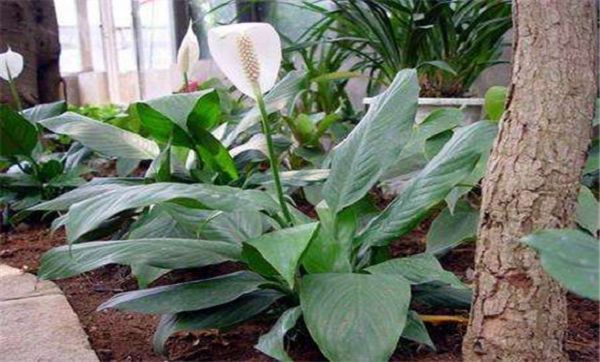
In recent years, the giant taro has made a name for itself with its own unique traits such as adaptability, ornamental value and decorative appeal. So how do you grow potted giant taro? Below is an introduction to the cultivation methods and points to note for potted giant taro.
How to top up the soil when growing giant taro
The giant taro has huge leaves, a well-developed root system and strong water absorption. After growing through summer and autumn, its potting soil is severely lost due to watering, so before bringing it indoors in winter, the soil should be topped up to give it a solid foundation. The soil mix can be prepared from pine needle soil, sawdust and cinder in a 5:2:3 ratio. After topping up, water once thoroughly so the soil layers bind closely, which benefits the plant's growth.
Temperature management for growing giant taro
The giant taro is native to the Americas and likes a high-temperature, high-humidity environment. The suitable temperature for growth is 20-30°C. If you want to maintain its growth in winter, the minimum temperature should be kept above 15°C. If it is kept at a low temperature for a long time or is directly hit by cold wind, its leaves will lose their green color, turn yellow and scorch, affecting its ornamental value. So after bringing it indoors, heating must be provided to bring the room temperature up to its growing temperature. If there is heating at home, be sure not to place the giant taro above the radiator, where the temperature is too high and the air is dry, which is not good for its growth; if there is no heating indoors, you can cover it with a hemispherical plastic cover to create a favorable microclimate for it, preventing cold air from entering and also providing a warming effect, so that it will not suffer from low-temperature damage.
Water and fertilizer management methods for giant taro
The giant taro likes high humidity, but it fears waterlogging most of all. If the potting soil is too wet and too much water is given, plus the water temperature being too low in winter, its root growth will be affected and root rot easily occurs. Also, since evaporation is low in winter and the water requirement is not great, water must be controlled in winter care. If watering is needed, the water must be close to room temperature, and the amount should depend on how dry or wet the potting soil is, truly keeping the soil moist without waterlogging, so as to ensure healthy growth of the giant taro.
After the giant taro is brought indoors in winter, the indoor temperature is higher than the outdoor temperature. Especially in homes with heating, the temperature is often above 25°C. At this time, applying nitrogen fertilizer may cause leggy growth and affect the plant's shape. If the fertilizer is too concentrated, it will cause yellow leaves, wrinkled leaf surfaces, and even root rot and other fertilizer damage in the giant taro, so nitrogen fertilizer should be avoided or applied sparingly in winter. However, to build up the root system, some phosphorus and potassium fertilizer can be applied appropriately.
How to prevent and control pests and diseases
For potted giant taro kept indoors in winter, due to microclimate reasons, damage from aphids, red spider mites and whiteflies often occurs. Prevention and control should be carried out.