Which flowers and plants that absorb formaldehyde are suitable to keep at home after renovation?
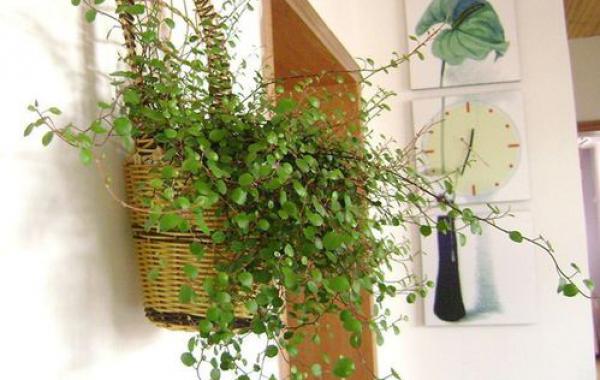
Formaldehyde has a pungent odor and can be smelled even at low concentrations. Newly renovated rooms have relatively high formaldehyde levels and it is a major cause of many diseases. Long-term, low-concentration exposure to formaldehyde can cause headaches, dizziness, fatigue, sensory disturbances and reduced immunity, and can also lead to drowsiness, memory loss or neurasthenia, and depression; chronic poisoning is also hugely harmful to the respiratory system. Long-term exposure to formaldehyde can trigger respiratory dysfunction and toxic liver lesions, manifesting as liver cell damage and abnormal liver radiation energy, among others.
Formaldehyde is very harmful to human health. After just finishing renovating a house, many people have concerns, and which plants can absorb formaldehyde is something many friends wonder about. This article summarizes the top ten plants that are masters at absorbing formaldehyde, tells you which plants absorb formaldehyde, and recommends some plants suitable for keeping at home.
Steps/Methods
Spider plant
Characteristics: Easy to grow and highly adaptable, it is one of the most traditional hanging plants for indoor rooms. Its leaves are slender and soft, and small plantlets grow out from the leaf axils, hanging down from the edge of the pot, spreading and trailing loosely like flowers, evergreen all year round.
Effect: It can absorb more than 80% of the harmful gases indoors, and its ability to absorb formaldehyde is extremely strong. Generally, keeping 1 to 2 pots of spider plant in a room can absorb almost all the toxic gases in the air, so the spider plant is also known as the "green purifier."
Ivy
Characteristics: It is the most ideal variety for vertical greening both indoors and outdoors, an evergreen vine with slender and soft branches and stems, bearing aerial roots, and able to climb onto other objects. The leaves are alternate, with triangular-ovate leaf blades, and the demand for potted plants is increasing day by day. It is a typical shade plant, able to grow in a full-light environment, grows well under warm and humid climate conditions, and is not cold-tolerant.
Effect: A formidable formaldehyde remover. It can break down two kinds of harmful substances, namely formaldehyde found in carpets, insulation materials and plywood, and xylene hidden in wallpaper that is harmful to the kidneys.
Aloe
Characteristics: A perennial evergreen succulent plant with short stem nodes, upright growth, and thick, juicy, lanceolate leaves. It likes a warm, dry climate, is not very cold-tolerant, and is not shade-tolerant.
Effect: It is not only good at absorbing formaldehyde, but also has strong medicinal value, such as antibacterial and beauty benefits. Many potted varieties have now been developed, with strong ornamental value, and can be used to decorate rooms.
Agave
Characteristics: A perennial evergreen plant with a tall plant body, gray-green or blue-gray leaf color, spines on the leaf margins, and yellow-green flowers. It likes a warm environment with sufficient light and has extremely strong drought tolerance.
Effect: This plant is also good at absorbing formaldehyde. In addition, it can also be used for brewing alcohol, and the tequila made from it is very famous.
Pothos
Characteristics: A plant of the genus Philodendron in the Araceae family, belonging to climbing vine foliage flowers. It likes warm, humid environments, its vines can reach several meters long, there are aerial roots at the nodes, the leaves grow larger and larger, the leaves are alternate, and it is evergreen. The pothos stems are slender and soft, and the leaves are delicate and graceful.
Effect: This plant is very good at absorbing formaldehyde and also has high ornamental value. Its trailing stems hang down naturally, and it can both purify the air and make full use of space, adding lively lines and bright colors to dull cabinet surfaces.
Gerbera daisy (also known as African daisy)
Characteristics: A perennial herbaceous plant of the Asteraceae family, with relatively large flower diameter, rich flower colors, and blooming all year round. It likes warm, sunny and well-ventilated environments, is a semi-cold-tolerant flower, and prefers fertile, loose sandy loam rich in humus.
Effect: This plant is not only good at absorbing formaldehyde, but also highly ornamental, and many varieties can even be used as cut flowers.
Chrysanthemum
Characteristics: A perennial herbaceous flowering plant, a traditional variety in China. The stems are upright or semi-trailing, with soft hairs on the stems and many branches. The leaves are simple and alternate, with serrated leaf margins; the flowers are capitula borne at the top of the stems, with rich flower shapes and diverse flower colors.
Characteristics: Chrysanthemum can break down two kinds of harmful substances, namely formaldehyde found in carpets, insulation materials and plywood, and xylene hidden in wallpaper that is harmful to the kidneys. Not only that, it also has strong ornamental value, and there are many potted varieties or garden flowers to choose from. In addition, its petals, roots and stems can also be used as medicine.
Begonia
Characteristics: A perennial evergreen herbaceous flowering plant. Its flowers are brightly colored, with varied flower shapes, and its leaf color is tender, soft and charming, so green it seems about to drip. It likes warm, humid and shaded environments, fears direct strong light, and requires well-drained sandy soil.
Effect: It is not only good at absorbing formaldehyde, but its flowers, leaves, stems and roots can all be used as medicine, with effects such as clearing heat and reducing swelling, invigorating blood and dispersing stasis, cooling blood and stopping bleeding, and regulating menstruation and relieving pain. It can treat sore throat, vomiting blood, irregular menstruation and gastric ulcers, among others, and also has good edible effects.
Snake plant
Characteristics: Leaves are clustered, the sword-shaped leaves are upright and stiff, the leaf margins are entire, and the surface is interspersed with milky white, pale yellow and dark green in horizontal banded markings. A common household potted variety, drought-tolerant, likes sunlight and warmth, also tolerates shade, and dislikes waterlogging.
Effect: It can absorb more than 80% of the harmful gases indoors, and its ability to absorb formaldehyde is extremely strong.
Spiderwort
Characteristics: Spiderwort is an evergreen plant with robust growth and smooth stems and leaves. The lower part of the stem branches and creeps along the ground, while the upper branches grow upward at an angle, often rooting at the nodes. The leaves are lanceolate to ovate-lanceolate, and the flowers are deep blue. It likes warm, humid, shade-tolerant and well-ventilated environments and loose, fertile soil.
Effect: This plant is not only good at absorbing formaldehyde, but is also a good indoor foliage plant. It can be placed on windowsills and shelves, and can also be put in shaded places. At the same time, the plant can also be used as medicine, with effects of clearing heat and purging fire, and detoxifying, and can also be used for sore throat, venomous snake bites, and so on.