Four-Season Care and Management Techniques for Potted Flowers in Northern China
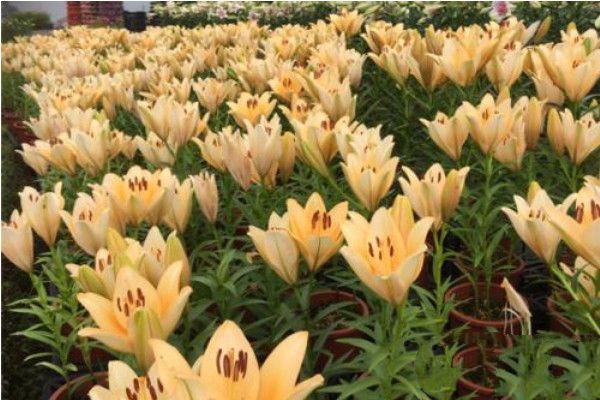
How should potted flowers in northern China be managed in winter? Today, the editor will analyze the key management techniques for potted flowers in northern China from the perspective of four different seasons.
1 Spring Care for Potted Flowers
1.1 Take Them Outdoors at the Right Time
In early spring, the weather turns warm but still cold, and the climate is changeable. In spring, potted flowers should be moved outdoors a little later rather than too early, and gradually rather than hastily. Specifically, cold-hardy plants such as plum blossoms and Chinese roses (Rosa chinensis) can be moved outdoors when the average day-and-night temperature reaches 15°C; less cold-hardy plants such as jasmine, Aglaia duperreana, bougainvillea, cactus, and Christmas cactus should be moved outdoors only when the outdoor temperature reaches 18°C, which is safer. To avoid affecting the normal growth and development of potted flowers, it is best to let them go through a period of adapting to the outdoor environment before moving them outdoors for full-day care, so as to prevent damage.
1.2 Fertilizer and Water Should Be Applied in Moderation
After potted flowers have spent the long winter indoors, their growth vigor weakens, and the newly sprouted buds, tender leaves, and young roots are all delicate. If concentrated fertilizer or raw fertilizer is applied at this time, fertilizer damage is very likely, "burning to death" the tender buds and branch tips. Therefore, when fertilizing potted flowers in early spring, the principle of "apply thin fertilizer sparingly and gradually increase" should be followed. At the same time, raw fertilizer must not be applied; instead, fully decomposed dilute cake fertilizer water should be used. Generally, apply once every 10-15d, preferably on a sunny evening.
When watering potted flowers in early spring, the amount should be moderate and not too much. At this time the temperature is not high, water evaporation is low, and if too much water is given, the potting soil will remain wet for a long time, which will lead to a lack of oxygen in the soil, causing root rot, leaf drop, and even the death of the whole plant. As the temperature gradually rises, the amount of watering should gradually increase, but it must not be excessive. Throughout spring, watering should follow the principle of "do not water if not dry, and water thoroughly when watering," and be sure to remember standing water in the pot. In spring, watering should preferably be done before noon. After each fertilization and watering, loosen the soil promptly so that the potting soil is well aerated. The spring climate is dry and windy, so attention should be paid to frequently spraying water on the branches and leaves to increase air humidity, which helps potted flowers grow vigorously.
2 Summer Care for Potted Flowers
2.1 Appropriate Light
For flowers that like sufficient light, in the hot summer season it is best to move them to a place with slight shade to prevent strong direct sunlight, so they will grow better. Generally, shade-loving or shade-tolerant flowers should be kept in summer under conditions with good ventilation and 50%-85% shade. If exposed to strong direct light at this time, the branches and leaves will turn yellow and wither, and the plants may even die. For this type of flower, after summer begins, move them to a north- or east-facing balcony or window to reduce light intensity, which helps them grow robustly.
2.2 Lower the Temperature and Increase Humidity
The suitable growth temperature for most flowers is 20-30°C. In most regions of China, the highest summer temperature reaches above 30°C. When the temperature exceeds the upper limit for flower growth, the normal life activities of the flowers will be hindered, resulting in stunted plants, local leaf scorch, fewer flowers, and a shortened flowering period. Many flowers bloom little or not at all in summer. In summer, attention must be paid to doing a good job of cooling. At the same time, increasing humidity is another important measure for growing potted flowers well in summer.
3 Autumn Care for Potted Flowers
3.1 Appropriate Water and Fertilizer
After autumn begins, water and fertilizer management should be handled differently according to the different ecological habits of various flowers. For Camellia and rhododendrons, which bloom once a year, liquid fertilizer mainly based on phosphorus fertilizer should be applied 2-3 times in time, otherwise the flowers will be small and few. For Chinese roses, Aglaia duperreana, and others that bloom multiple times a year, relatively sufficient water and fertilizer should continue to be supplied to promote continuous blooming. For most flowers, after the Cold Dew solar term in the north, fertilization is generally stopped to help them overwinter safely. As the temperature drops, except for flowers that bloom in autumn, winter, or early spring and autumn-sown herbaceous flowers, which can continue to be watered normally according to the actual needs of each type of flower, for other flowers the frequency and amount of watering should be gradually reduced to avoid excessive water and fertilizer causing leggy growth, affecting flower bud differentiation, and suffering frost damage.
3.2 Pay Attention to Pruning and Shaping
After autumn begins, when the temperature is around 20°C, most flowers tend to sprout tender branches. Apart from retaining some branches as needed, the rest should be cut off promptly to reduce nutrient consumption. The retained tender branches should also be pinched back promptly.
3.3 Collect Seeds in Time
The seeds of many flowers mature one after another around mid-autumn and need to be collected in time. After harvesting seeds of scarlet sage, morning glory, and others, remove impurities and dry them, then put them in cloth bags and store them in a low-temperature, ventilated place.
4 Winter Care for Potted Flowers
4.1 Strengthen Light
In winter, sunshine duration is short, sunlight intensity is low, and indoor light conditions are worse than outdoors. For flowers moved indoors after late autumn, they can be placed in different indoor positions according to their ecological habits. Usually, flowers that like strong light and high temperatures and bloom in winter and spring are placed on a south-facing windowsill and nearby places with abundant sunlight; flowers that like light but can tolerate low temperatures or are already dormant can be placed in a place with bright scattered light; other flowers that can tolerate lower temperatures and have already lost their leaves or do not have strict light requirements can be placed in a darker and cooler place.
4.2 Control Water and Fertilizer
Except for types that bloom in autumn, winter, and early spring and most foliage plants, which can continue to be appropriately watered and fertilized according to their habits, general potted flowers should have water and fertilizer supply strictly controlled. In winter, reduce the amount of fertilizer applied to potted flowers, and stop fertilizing flowers in a dormant or semi-dormant state, otherwise root rot is very likely, and even the whole plant may die. Especially for potted flowers placed in rooms with low winter temperatures and no heating equipment, reduce the frequency and amount of watering, and keep the potting soil dry, so as to avoid root rot or frost damage. In winter, watering should preferably be done around noon, and watering in the evening should be avoided, so that the potting soil does not become too wet and the roots are not damaged by the cold at night.
That is all for today. Flower growers in the north can come and learn from this for reference.