The correct way to clean the leaves of flowering plants
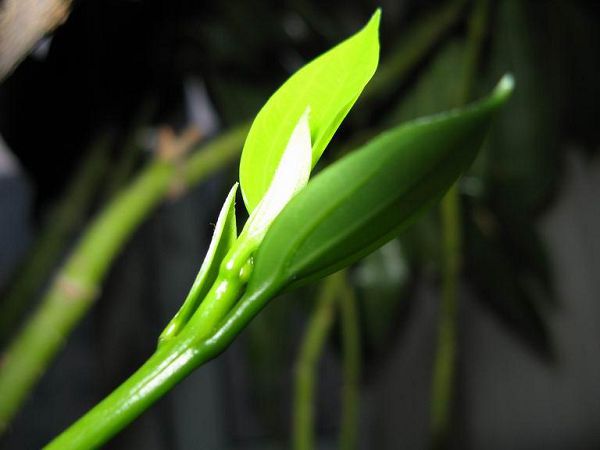
When flowering plants have been kept for a long time, they will accumulate dust just like other objects. Many flower growers ask whether the dust on the leaves of flowering plants should be cleaned off, and whether cleaning will kill the plant.
The answer is that it should be cleaned. There are two reasons:
First, potted plants, especially foliage plants with broad leaves, tend to attract dust while they are placed indoors. On one hand, dust blocks the stomata on the leaves, preventing the plant from absorbing water and oxygen from the air or releasing excess water from inside its body to the outside.
Second, dust also makes potted plants look dull and grimy, and after being sprayed with water they become covered in stains, looking very unattractive.
Points to note when cleaning the leaves of flowering plants
1. Timing for cleaning the leaves
The time to clean the leaves is in the morning, so that the leaves have enough time to dry before nightfall, avoiding the leaves being in a damp environment for a period of time due to the lack of sunlight and the drop in temperature at night.
2. Methods for cleaning the leaves
Spraying method: use the impact force of the water stream from a sprayer to wash the dust off the leaves.
Wiping method: use a sponge or cotton cloth dipped in water to gently and repeatedly wipe the dust and dirt off the leaves.
Brushing method: use a soft-bristled brush to brush the dust off the leaves.
Note: the first two methods are not suitable for cacti, succulents, and plants with fuzzy leaves. Once the leaves are wet, it is very difficult for the moisture to evaporate, and even wiping off the water with a dry cloth cannot guarantee that they will dry within a certain period of time. Also, some flower buds that are afraid of water, such as the flower buds in the leaf rosette of the African daisy (Gerbera jamesonii) and the pseudobulbs in the leaf rosette of the clivia (Clivia miniata), should not be exposed to water, especially during the sprouting and budding stages, as contact with water will affect the development of the flowers.
In addition, do not spray water directly onto the flowers. Flowers that come into contact with water are prone to rot and wilting, and it will also lead to poor fertilization, affecting flowering and fruiting. For potted flowers such as pomegranate, crabapple, fuchsia, and crape myrtle, spraying water on the leaves will cause the branches and leaves to grow excessively, so the latter two cleaning methods are recommended.