To the Yingshi Tribe and Pengpeng Hot Spring: Listen to Atayal Songs at the Bamboo House by the Stream

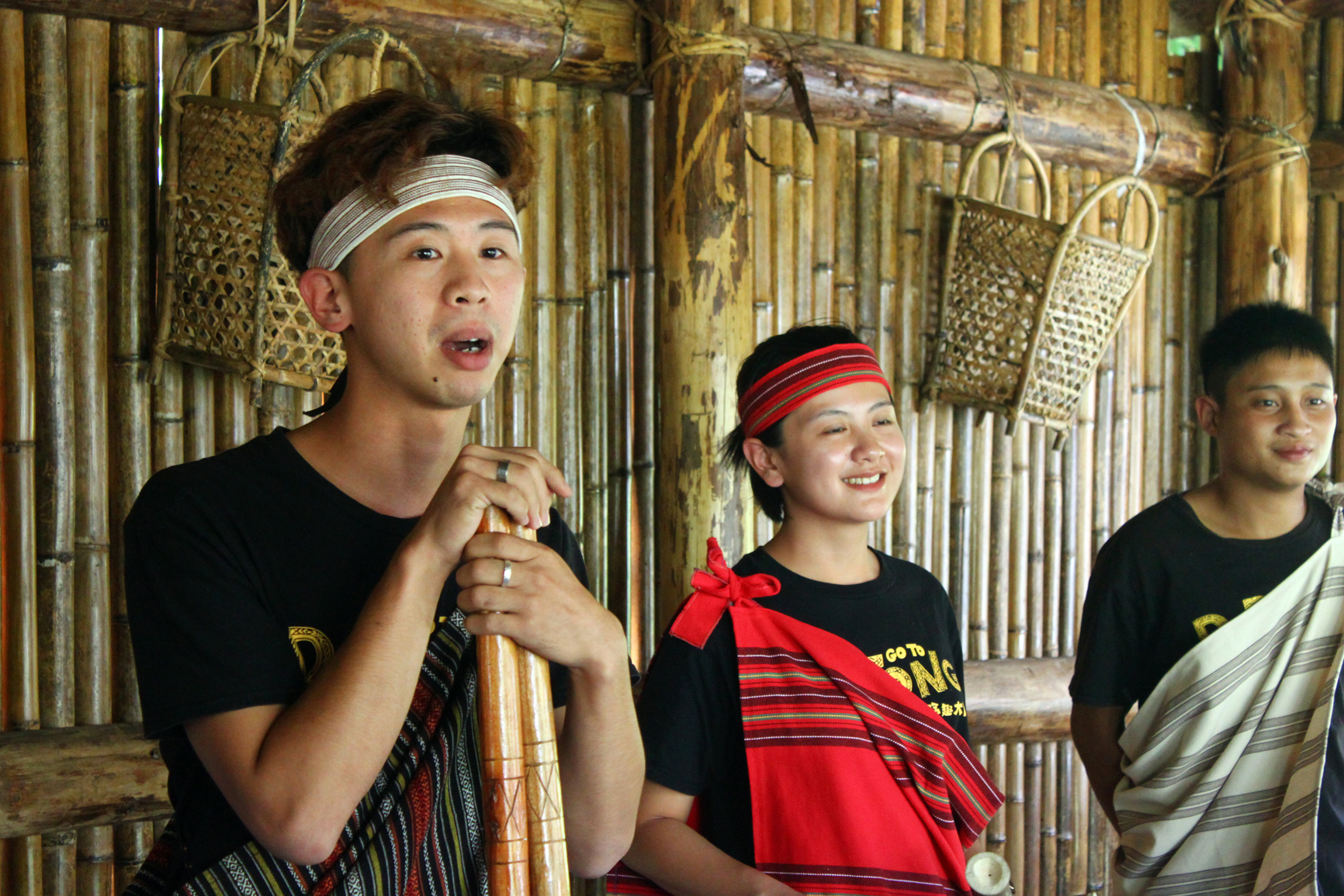
Located by the Pengpeng Stream, the Yingshi Tribe features a traditional bamboo house built with natural construction methods. The resonant singing of tribal members rings out, accompanied by the curling smoke of a roasting fire and the crisp rhythm of wooden drums. Young tribal members first welcome visitors from afar with a joyful song, "Rimuy Sola Rimuy Yo," then take turns with choral and solo performances of "Ima lalu su" (What Is Your Name), introducing each person's name in the tribal language one by one.
Wooden drums, Atayal traditional clothing, the aroma of the roasting fire, and the gentle, poetic flow of songs in the mother tongue -- layer upon layer, they build up the authentic atmosphere of a traditional tribe. Currently, the ecotourism of the Yingshi Tribe is organized by a group of local youths. A hundred years ago, their ancestors parted ways at Siyuan Pass: one branch headed to Taoyuan, Hsinchu and Miaoli to become the Mkgaogun group, another headed south to Nan'ao and Hualien to form the Nan'ao group, and another followed the Lanyang River to become the Xitou group of Yilan. A hundred years later, the Atayal people, who love to migrate from place to place, have gathered again at the Yingshi Tribe. Gehong Gumai, who is in charge of drumming the wooden drums, jokes: "This place is the United Nations. In the early years, tribal members would even fall out with each other over hunting grounds!"
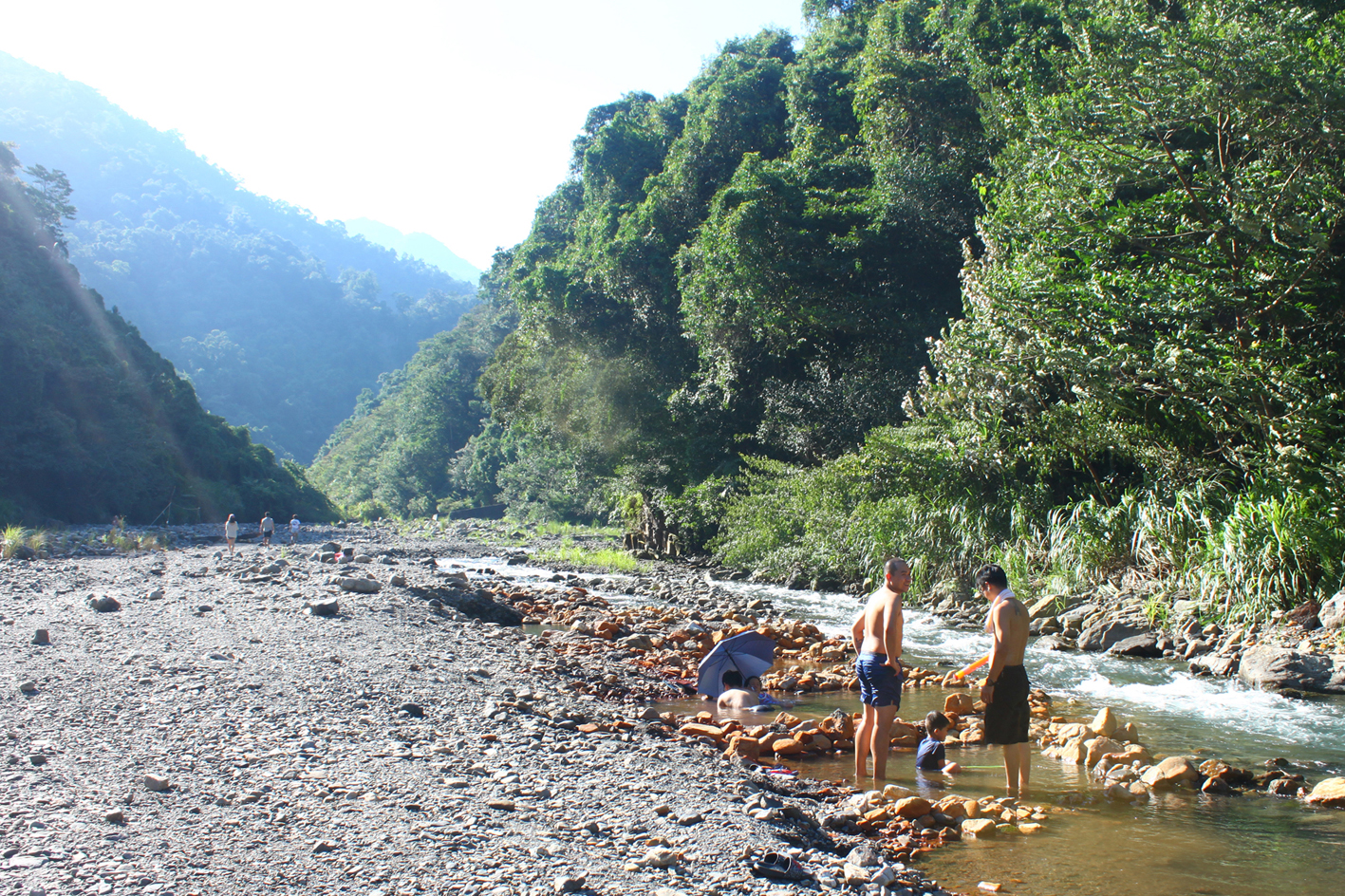
The hustle and bustle of the old days, when people struggled to make a living, has faded. Now these youths work hand in hand, contributing their own expertise and striving together to promote tribal tourism. Although the Pengpeng Hot Spring next to the settlement is already quite famous, under the guidance of local youths, they tell in detail the story of this wild stream whose hot spring route changes with time. For instance, tribal elders are accustomed to lightly scraping their skin with riverbed pebbles before entering the water; besides serving as an exfoliating massage before soaking, the cleansing ritual also implies a respect for nature. Or take the Pengpeng Hot Spring before your eyes, nestled between two great mountains -- the distant ridge line is exactly the same as in the photographic records made when Japanese visitors came to bathe here in 1989. And this hot spring, often misread as "Fanfan," should correctly be called "Pengpeng," pronounced bong bong, which refers to the sound of stones rolling on the riverbed.
After visiting the wild stream hot spring and learning about the local history and culture, the Yingshi Tribe has also arranged a "mindful tea ceremony," using the ci cong (Chinese mahogany) grown and dried by tribal elders to make fragrant snow-mian cakes, paired with pre-gathered flowers and herbs, allowing guests to calm their minds and set up the tea seat, while closing their eyes to listen to the ancient melodies of the jaw harp.
Since last year, the Yingshi Tribe, through the guidance of the Yilan County Indigenous Peoples Affairs Office, has begun to integrate the tribe's tourism resources. Through the efforts of Chairman Zhong Zhengzhi of the "Yingshi Tribe Community Development Association," they have secured funding from various projects, presenting a brand-new tribal image and a new mode of ecotourism operation. These youths who have returned from other places have come back to the land where they grew up to put down roots and live: writing proposals, leading tours, practicing songs, and helping with communal meals for the tribe's elders -- cultivating culture on one hand, and caring for and accompanying the elderly on the other. With full enthusiasm, they invite everyone to soak in the hot springs, enjoy the tea ceremony, and listen to the wonderful stories of the Yingshi Tribe. In addition, the tribal youths have also planned a "Hengqi Yang Ancient Trail" exploration trip. Friends interested in ecotourism may want to inquire!