For beginners, watering flowers easily leads to drowning or drought death; master the seven more and seven less principles of watering flowers
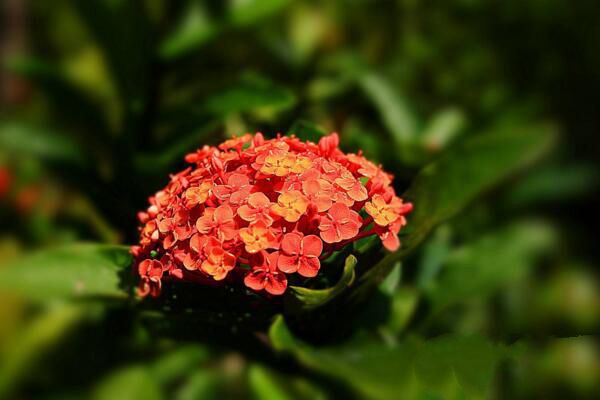
Why do beginners easily drown or dry out flowers when watering? In the process of growing flowers, beginners water them from time to time, causing the flowers to drown from too much water. Others, after planting flowers, hardly manage them at all, causing the flowers to die of drought from lack of water. So today the editor will talk about the seven more and seven less principles of watering flowers, hoping it can be of some help to everyone.
1. Water herbaceous plants more, woody plants less
Herbaceous flowers have shallow root systems, poor water absorption capacity, high internal water demand, and fast leaf evaporation, so they need frequent watering; woody flowers have roots that go deep into the soil, spread widely, and absorb water strongly, so they can be watered appropriately less.
2. Water hygrophytic flowers more, xerophytic flowers less
Hygrophytic flowers such as Monstera deliciosa and Reineckea carnea should be watered more; xerophytic flowers such as cacti, Echeveria, and Nandina domestica should be watered less.
3. Water those with large, soft leaves more, and those with small, waxy leaves less
The larger and softer the leaves, the more easily water evaporates, so they need watering; flowers with small, waxy leaves evaporate water from the leaf surface slowly, so they can be watered appropriately less.
4. Water sandy soil more, clay soil less
Sandy soil is loose and has poor water retention, so it can be watered appropriately more; clay soil is compact, has good water retention and poor air permeability, so it should not be watered too much or too frequently.
5. Water more in hot weather, less in cold weather
In the hot midsummer heat, leaf surface evaporation is high and potting soil dries quickly, so water in time and water thoroughly.
6. Water more in drought, less on cloudy days
In dry weather, the soil loses water easily; generally small pots are watered 2 times a day, and large pots are watered 1 time a day.
7. Water more during the vigorous growth period, less during the dormant period
During the vigorous growth period, flowers have a high demand for nutrients and water, so water more and frequently together with fertilizing; during the dormant period, growth tends to stagnate, the water requirement is very small, and watering should be controlled.