How to repot flowers? Detailed step-by-step guide
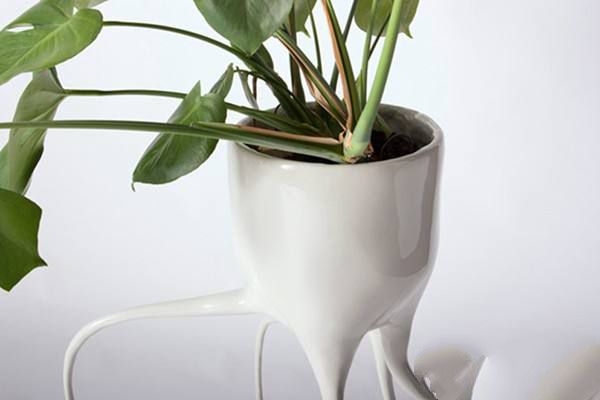
During the process of growing flowers, if you notice that your flowers' growth has stalled, or the pot is too small, or the flowers have not had their growing environment changed for two years or even longer, then the editor suggests quickly repotting the flowers during this period. This will not only improve the plants' growing environment, but also help the plants get through autumn and winter and bloom and sprout better in spring.
The Autumn Equinox has just passed, and temperatures have suddenly begun to drop, which means flower lovers need to hurry and repot their flowers as soon as possible. Otherwise, once the temperature drops further and the flowers enter dormancy, it will be too late to start repotting. Below, the editor explains the steps for repotting.
Steps
1. Before repotting, reduce the amount of water given to the flowers appropriately. Wait until the soil in the pot is slightly dry, then gently tap the flower pot with your hand. When you hear a crisp sound, that means it is exactly the right time to repot;
2. When repotting, if the flower pot is made of a relatively soft material, you can cut it open directly to avoid damaging the flower's root system;
3. Gently shake off the soil clinging to the flower's roots, then rinse the root system clean with water. If you find rotten or aged parts on the root system during the process, you can remove them directly with scissors, which can help promote the flower's growth;
4. Then place the flower in a cool and well-ventilated spot. After about a day, once the flower has finished cooling, you can transplant it into the new flower pot;
5. When repotting, you can add some coarse sand, vermiculite and other larger-grained materials inside the new flower pot. This can increase the soil's air permeability and drainage performance, helping the flower adapt to its new growing environment as quickly as possible;
6. It is worth noting that flowers just repotted usually have relatively fragile roots and a very weak ability to absorb nutrients. Do not fertilize or prune within about two weeks after repotting. Wait until the flower gets through the pot-adjusting period before starting normal care.