These flowers should not be placed indoors
Many netizens are discussing one question: which flowers are unsuitable for indoor placement? Below, Gardening Flower Network gives a brief introduction: placing a few pots of flowers in an elegant room is not only pleasing to the eye, but also helps green and make the room healthier, and can make people feel happy in body and mind. However, flowers such as orchids and Chinese roses are not suitable for indoor cultivation. The details are as follows:
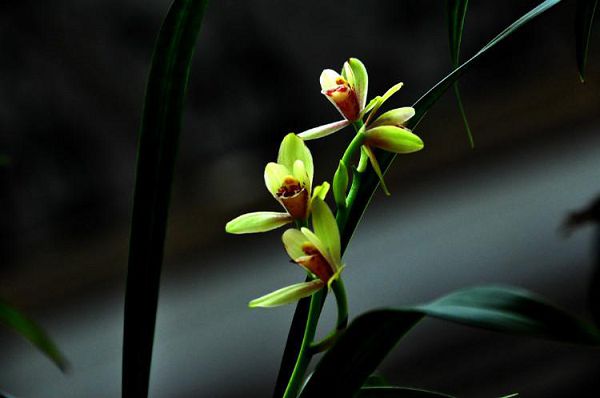
1. Orchid. Its fragrance can make people overly excited and cause insomnia.
2. Redbud. If the pollen it releases comes into contact with people for too long, it can trigger asthma or worsen coughing symptoms.
3. Mimosa. The mimosine in its body is a highly toxic organic compound; excessive contact with the human body can cause hair loss.
4. Chinese rose. The rich fragrance it releases can cause some people to feel chest tightness, discomfort, breathlessness, and difficulty breathing.
5. Lily. Its fragrance can also overstimulate the central nervous system and cause insomnia.
6. Night-blooming jasmine. At night it releases a large amount of particles that stimulate the sense of smell; smelling it for too long can make patients with high blood pressure and heart disease feel dizzy, depressed, and uncomfortable, and may even worsen their condition.
7. Oleander. It can secrete a milky white liquid; after prolonged contact, it can poison people and cause symptoms such as drowsiness and decreased intelligence.
8. Pine and cypress. The fragrant scent of pine and cypress plants has an irritating effect on the human stomach and intestines, not only affecting appetite, but also making pregnant women feel upset, nauseous, and dizzy.
9. Hydrangea. The particles it releases, if they come into contact with people, can cause skin allergies and trigger itching.
10. Tulip. Its flowers contain a toxic alkaloid; after prolonged contact, it can speed up hair loss.
11. Yellow azalea. Its flowers contain a toxin; once accidentally eaten, mild cases can cause poisoning, and severe cases can cause shock, seriously harming health.
12. Lantana: the flowers and leaves are toxic; accidental ingestion can cause diarrhea and fever.
13. Poinsettia: the whole plant is toxic; the white milky sap can irritate the skin and cause redness and swelling, and accidental ingestion of stems and leaves can cause death.
14. Pencil cactus: after the stem is broken, the white milky sap can cause skin redness and swelling, and if it gets into the eyes it can cause blindness.
15. Narcissus: the narcissus bulb contains lycorine; accidental ingestion can cause enteritis, vomiting, or diarrhea, and the sap of the leaves and flowers can cause skin redness and swelling.
16. Lilac and night-blooming jasmine: at night they release a large amount of strongly smell-stimulating particles, which are harmful to patients with high blood pressure and heart disease.
There are also more than 100 kinds of toxic flowers, including pinellia, monstera, dieffenbachia, calla lily, euphorbia, tiger thorn, coral flower, purple wood, lycoris, and yellow oleander. When growing flowers at home, please do not casually pick branches, leaves, flowers, or fruits for children, to prevent poisoning from ingestion and from sap entering the eyes.