How to grow flowers? Master these basic cultivation techniques
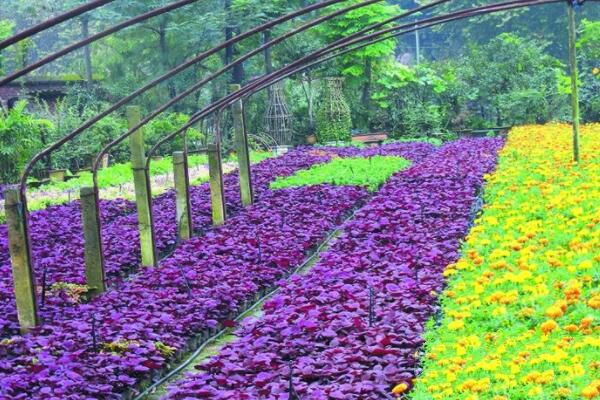
As people's living standards improve, the flower cultivation industry has also developed rapidly, but growing flowers well is not so simple. Basic flower cultivation techniques such as soil treatment, sowing, and transplanting are all skills that flower growers must master. Below, the editor will talk with you about flower planting techniques.
(1) Master soil treatment techniques
One of the conditions for healthy flower growth is the land. With thick soil, smooth drainage, suitable environmental conditions, and certain nutrients, normal flower growth can be ensured. Most flowers grown in open fields require a soil pH of 7.0, which means the soil is neutral, while flowers in warm greenhouses need acidic soil.
Among the nutrients required by flowers, there are 3 major elements: nitrogen, phosphorus, and potassium; 3 secondary elements: calcium, magnesium, and sulfur; and trace elements: iron, beryllium, copper, zinc, manganese, and chlorine.
(2) Grasp the details of sowing techniques
Sowing is the initial stage of flower cultivation and planting, and it is also the key point for whether flowers can grow healthily, so it must be taken very seriously. For the sowing stage, three aspects of work must be done well: plowing, land preparation, and making beds.
Plowing: divided into spring plowing and autumn plowing. The plowing depth should be set at 20-40 cm, and it should not be too deep.
Land preparation: maintain soil permeability and looseness by breaking up soil, turning the soil, and removing debris. During this process, it is also necessary to manage the soil moisture content and create soil moisture conditions suitable for flower planting.
Sowing: this affects flower cultivation techniques and also affects the later growth of flowers. Therefore, attention should be paid to the sowing time and sowing methods of flowers.
(3) Do a good job of thinning seedlings and transplanting
Thinning seedlings: after sowing, if the seedlings emerge too densely, thinning is needed to increase the spacing between plants, thereby ensuring good growth of the flower seedlings. Note that thinning should not be too late, otherwise it will cause spindly growth.
Transplanting: divided into two steps: "lifting seedlings" and planting.
Lifting seedlings: this means lifting the flower seedlings out of the seedbed.
Planting: divided into final planting and temporary planting. Final planting: after the seedlings are planted, they are no longer transplanted; temporary planting: after the seedlings are planted and grow for a certain period, they still need to be finally planted again.
(4) Strengthen fertilization management
Reasonable fertilization and appropriate watering are necessary conditions for the healthy growth of flowers. Fertilization includes base fertilizer and topdressing. Base fertilizer is generally applied in the early stage of flower planting and is the foundational fertilizer for flower growth; applying fertilizer during the flower growth process is called topdressing, and topdressing is meant to ensure sufficient nutrients needed for flower growth.
(5) Be diligent in weeding
Weeds compete with flowers for nutrients, hinder their healthy growth, and are also breeding grounds for pathogens and pests. Therefore, during the flower growth process, attention should also be paid to weeding to create a suitable growing environment for flowers.
(6) Prune branches and trunks
Cutting off diseased branches, dead branches, and damaged branches is also an important step. This can prevent secondary infection of flowers and reduce the number of pathogens and pests to a certain extent.
(7) Prevent pests and diseases
In order to avoid flowers being invaded by pests, choose suitable pesticides and apply them at the right time, accurately, safely, and reasonably. At the same time, strengthen field management and strengthen the prevention and control of various pests and diseases.