What are the methods for judging nutrient deficiency in flowers and plants
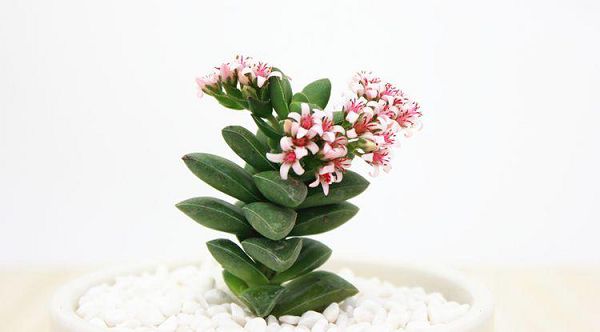
For flowers and plants to grow and bloom well, they must have adequate nutrition as a guarantee. Generally, during the growth and development of flowers and plants, if a certain nutrient element is insufficient, a deficiency symptom of that nutrient will appear on the plant, that is, a certain sign of disorder will appear on the plant. In home flower growing, if you can master this method of diagnosing nutrient deficiency, you can prescribe the right remedy, supplement fertilizer, and let the potted flowers grow healthily and vigorously again.
Below is an analysis of the symptoms that plants may show when several major nutrient elements are deficient:
First, nitrogen deficiency: the plant's leaves turn yellow and may even wither, the leaves are small, and the plant is thin and small. The stems are slender and weak and may split, and the number of flowers is sparse.
Second, phosphorus deficiency: the leaf color is dark green, and growth is delayed. The areas between the veins of the lower leaves turn yellow, often with a purple tinge, especially on the petioles, and the leaves fall early. The flowers are small and few, the flower color is poor, and the fruit develops poorly.
Third, potassium deficiency: the lower leaves have diseased spots, and dead parts often appear at the leaf tips and leaf margins. The yellowed areas spread from the margins toward the center, after which the marginal parts turn brown and shrink downward, and finally the lower leaves and old leaves fall off.
Fourth, magnesium deficiency: the lower leaves turn yellow, and in the late stage dead spots often appear; the yellowing appears between the veins, the veins remain green, the leaf margins curl upward or downward and become shrunken, and dead spots often appear between the veins within a single day.
Fifth, calcium deficiency: the tips and margins of the young leaves rot, and the leaf tips of the young leaves often form a hook shape. The root system has already died before the above symptoms appear. The terminal buds usually die.
Sixth, iron deficiency: the symptoms occur on new leaves, with yellowing between the veins while the veins remain green. Diseased spots do not often appear. In severe cases, the leaf margins and leaf tips dry up, sometimes spreading inward to form a relatively large area, with only the larger veins remaining green.
Seventh, manganese deficiency: the symptoms occur on new leaves, diseased spots usually appear and are distributed over the entire leaf surface, and the very fine veins remain green, forming a fine network. The flowers are small and the flower color is poor.