Analysis of the Key Points of Flowering Regulation Techniques for Common Flowers
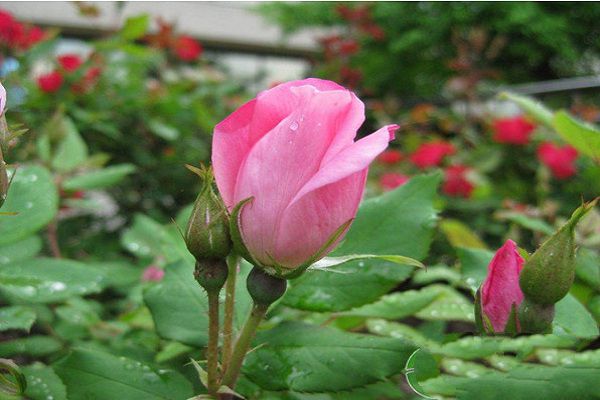
How do you regulate the flowering period of common flowers and woody ornamentals? Only by properly regulating the flowering period will your flowers grow more and more vigorously afterward. Below, the editor introduces the key points of flowering regulation techniques for flowers and woody ornamentals.
1 Controlling the Start of Plant Growth
Plants have a certain rate and time limit from growth to flowering. The flowering period of plants can be regulated by artificially controlling the propagation period, germination period, potting period, and repotting period, making arrangements in advance according to the flower-using season and time.
2 Using Horticultural Cultivation Techniques to Regulate Plant Growth Rate
Measures such as pinching, pruning, bud removal, bud stripping, leaf removal, ringing, and grafting are used to regulate the growth rate of the plant. The number of days delayed varies with plant species, the amount removed, and the season; for woody ornamentals that flower on current-year branches, early pruning during the growing season means early branch growth and early flowering, while late pruning means late flowering; stripping off lateral buds and lateral flower buds favors flowering of the main bud, while removing the terminal bud and terminal flower bud favors flowering of the lateral buds and lateral flower buds. Ringing causes nutrients to accumulate in the upper flowering branches, which favors flowering; tying branches in autumn can cause the leaves to change color earlier; grafting scions with flower buds, such as magnolia (Yulania) and ornamental peach (Prunus persica), can make them flower earlier.
3 Regulating Temperature
3.1 Increasing Temperature
Under low-temperature conditions in winter, increasing the temperature can accelerate plant growth and advance flowering. The heating date is inferred from the number of days required for the plant to grow and develop to flowering, and the temperature should be raised gradually; when heating begins, water should be sprayed on the plants every day to prevent the leaves from drying up. Generally, a night temperature of 15°C and a day temperature of 25-28°C are used.
3.2 Lowering Temperature
Before the natural temperature warms up in spring, giving dormant plants an artificial low temperature of 1-4°C can prolong the dormancy period and delay flowering. This method can be used for various cold-tolerant, shade-tolerant herbaceous perennials, bulbous flowers, and woody ornamentals. Biennial flowers and herbaceous perennials require a period of low temperature during growth and development to bolt and flower. For flowers that have already formed buds and are waiting to open, low-temperature cold storage treatment can delay flowering, such as for Chinese peony (Paeonia lactiflora) and bigleaf hydrangea (Hydrangea macrophylla), which can be delayed by 1-2 months.
3.3 Issues to Note in Temperature Treatment
① Different cultivars of the same flower species differ in their temperature sensitivity. ② The level of treatment temperature is mostly determined by the climatic conditions of the cultivar's place of origin or place of breeding; in temperature treatment, generally >20°C is considered high temperature, 15-20°C is medium temperature, and ≤10°C is low temperature. ③ The treatment temperature also varies with the climatic conditions of the cultivation site, the harvest period, the length of time until market release, and the size of the bulbs. ④ Whether treated during the growth period or the dormancy period, the appropriate timing of temperature treatment varies with the characteristics of the flower species and cultivar. ⑤ The effect of temperature treatment varies with the flower species and the number of treatment days. ⑥ For flowering control of many flowers, temperature and light treatment need to be carried out simultaneously, or several treatment measures must be taken successively, in order to achieve the desired effect. ⑦ Cultivation management during or after treatment also has a great influence on the effect of flowering control.
4 Regulating Light
Light is an important environmental factor affecting the growth and development of flowers, and the formation of flower buds and the flowering period are closely related to day length. This method is only used to treat light-sensitive flowers.
4.1 Short-Day Treatment
For short-day flowers, during the long-day season, as long as they have grown vigorously, artificially keeping the whole plant's daily light exposure at 8-10 h will allow them to flower after a certain period of time. In addition, normal watering and fertilizing should be carried out during shading treatment, and attention should be paid to controlling the temperature, which should not be too high; if it exceeds 30°C, some species will flower unevenly or even fail to form flower buds.
4.2 Long-Day Treatment
This measure is mostly used in winter during the season of short daylight to make long-day flowers bloom. The method is to supplement light with electric lamps, but since winter temperatures are low, it must be combined with raising the temperature to be effective.
That is all for the key points of flowering regulation techniques for flowers and woody ornamentals, and we hope it can be helpful to flower growers.