Methods and Techniques for Propagating Household Flowers by Sowing
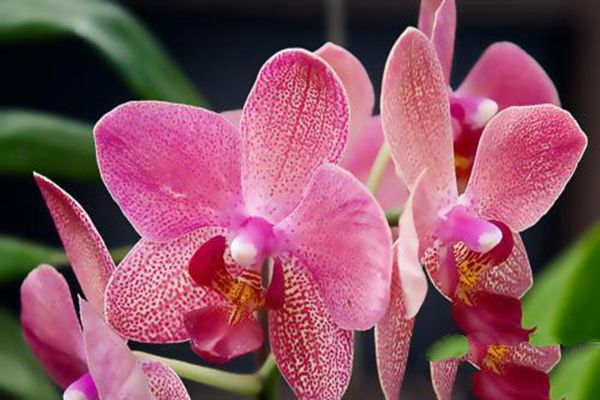
Sowing flowers is mainly done to propagate them better. Generally, the seeds sown are the seeds of the flowers themselves. Seedlings grown from sowing have well-developed root systems, a longer lifespan, and strong survival ability. Generally, flower sowing includes two types: open-ground flower sowing propagation and potted flower sowing propagation. Below, let's take a look together with the editor at what methods and techniques these two types of flower sowing propagation involve.
1. Open-ground flower sowing propagation
The general open-ground sowing method is as follows.
(1) Requirements for the sandy soil of the sowing bed: loose and fertile, rich in humus, and the environment should ensure air circulation, sufficient sunlight, and good drainage.
(2) Soil preparation and fertilization. Requirements for the soil of the sowing bed: plow 30cm deep, remove debris, cover with about 12cm of soil, mix in barnyard manure or decomposed and finely crushed compost as base fertilizer, and level the bed surface. When sowing, add superphosphate to promote growth. After the sowing bed is leveled, it should be compacted, then the bed surface should be leveled.
(3) The covering depth of soil varies with seed size. Generally, large seeds are covered to a depth 3 times the thickness of the seed; small seeds should be covered only to the point where the seeds are no longer visible. If conditions permit, a sieve with 0.3cm apertures can be used.
(4) After covering with soil is completed, evenly cover with a layer of rice straw, then water with a fine-hole watering can. In dry seasons, irrigate before sowing, and after the water seeps in, sow and cover with soil to maintain moisture. In the rainy season, rainproof facilities need to be prepared. Remove the covering when the seeds germinate and emerge.
2. Potted flower sowing propagation
Potted plants are generally kept indoors, so the sowing period has little relationship with the season and is generally determined according to the flowering period.
(1) Prepare the pot and soil for sowing. A shallow pot 10cm deep, and the sandy soil needs to be rich in humus. The proportions are as follows.
① Fine seeds. Garden soil 2: river sand 3: leaf mold 5.
② Medium seeds. River sand 2: leaf mold 4: garden soil 4.
③ Large seeds. River sand 1: garden soil 4: leaf mold 5.
(2) Cover the drainage hole at the bottom of the pot, fill with broken pot pieces or coarse gravel to 1/3 of the pot depth, above that place the sifted coarse culture soil to 1/3 of the thickness, and on the top layer place the sowing soil to 1/3 of the thickness. Press the soil surface firm and scrape it level so that the soil surface is 1cm from the pot rim. Immerse the shallow pot in water, but do not submerge it. After the soil is soaked, take the pot out. Once excess water has seeped out, sowing can begin.
(3) Management after sowing. Keep the pot soil moist. After the seedlings emerge, gradually move them to a place with sufficient sunlight.