What are the common problems in protecting flowers from the cold and getting them through the summer?
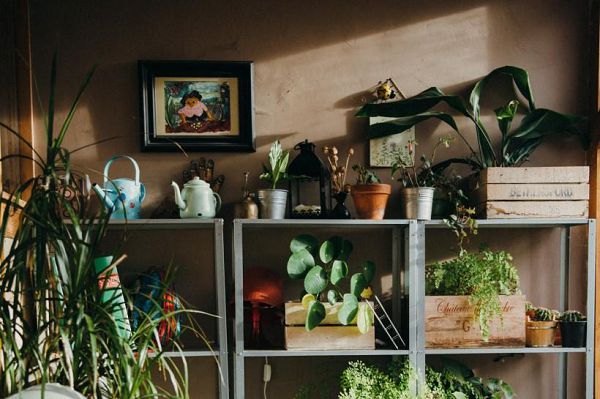
Is a north-facing balcony the place where plants are most likely to suffer cold damage?
Answer:
Because the northeast monsoon is stronger on a north-facing balcony, wind-blocking measures should be provided, otherwise the plants are the most likely to be damaged. On especially cold days, when the temperature drops even lower after nightfall, you can cover the plants with plastic bags or cardboard boxes to insulate them from the cold air, but this "coat" should be removed during the day.
When a cold snap hits, will plants freeze and be damaged? How should they be overwintered?
Answer:
To avoid cold damage, the first thing is to let the plants receive sufficient sunlight. Winter sunlight is very soft, and under full light the nutrients produced by the plants through photosynthesis are mostly stored in their bodies, which can improve the plants' cold resistance. In addition, because plants have weaker cold resistance when growing rapidly, too much water should not be given; water only when the surface of the potting soil is dry 2~3 cm below. At this time, you can also stop fertilizing or apply a small amount of slow-release fertilizer, striving to make the plants grow slowly and robustly, as this makes overwintering easiest. And when a cold snap hits, the plants can be moved indoors or to a warmer, wind-sheltered place.
In the hot summer, do all plants need to be shaded?
Answer:
When summer temperatures are high, potted plants can be moved to a cool place, or medium and small potted plants can be moved under the shade of larger plants. For large potted plants or garden plants that are difficult to move, a shade net can be set up. If the plants grew a great deal from spring to early summer, the excessive amount of branches and leaves may also cause water to transpire too quickly. Therefore, moderate pruning is needed, both to adjust the tree shape and to reduce the phenomenon of water imbalance. Moderate pruning can also prevent excessive water loss.