How to care for flowers in summer? A complete guide to cultivation basics
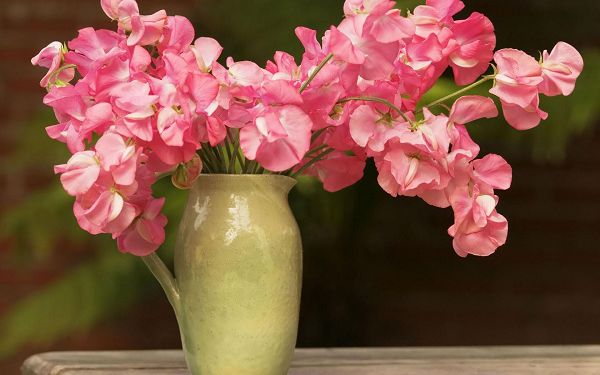
Summer weather is hot, and the amount of watering needs to be controlled carefully. Too much water easily kills the flowers, while too little makes them dry out easily, so basic planting knowledge is necessary.
Many people do not really understand cultivation basics. For example, summer is the peak growing season for some flowers, and also the dormant period for others. As for watering, it can be done twice a day. Apart from vigorously growing flowers such as jasmine and Chinese rose, fertilizing is generally not advisable, especially for rhododendrons entering semi-dormancy and dormant bulb flowers such as cyclamen and freesia.
For some semi-shade and shade-loving flowers, high temperatures and direct sunlight must be strictly avoided in summer; this is basic flower cultivation knowledge. Shading measures should be taken, and water should be sprayed to lower the temperature. Even for extremely drought-tolerant plants such as cacti, when the temperature exceeds 38°C, there is still a risk of sunburn. For rhododendrons, besides daily watering, water should also be sprayed on the leaves and the ground to retain moisture and lower the temperature. However, summer often brings heavy rain. After water accumulates in the pot soil, nutrients are easily lost, so after rain the pot should be tilted to let the rainwater drain out.
The muggy summer is also a season with a high incidence of pests and diseases. Diseased branches and leaves should be removed promptly, supplemented by chemical treatment for prevention and control. You need to have this kind of cultivation knowledge: for example, Chinese rose is prone to black spot disease and powdery mildew in summer; the former is treated with Bordeaux mixture, and the latter with carbendazim, sprayed once every half month. Orchids are prone to anthracnose during the plum rain and high-temperature seasons. Besides improving ventilation and light conditions, when disease occurs, thiophanate can be sprayed once every 10 days. Time for spraying water on flowers in summer: before 9 a.m. and after 6 p.m. There are roughly the following situations and methods for watering potted flowers:
1. Watering: in spring, summer and autumn, water before 10 a.m.; in winter, water after 2 p.m. Make sure the water temperature is close to the soil temperature, slightly higher in winter and slightly lower in summer. But the temperature difference between water and soil should not exceed about 5°C. The amount of watering should be based on the pot soil being evenly moist from the surface to the bottom. Watering taboos include watering only halfway (wet on top, dry at the bottom) and waterlogging (water accumulating at the bottom of the pot). Also avoid soil and fertilizer being washed out through the drainage hole, which creates hollows in the middle of the pot and seriously affects the growth and development of potted flowers. When watering, note that for flowers that like dryness, the amount of water can be controlled to keep the pot soil slightly moist; the surface soil may look whitish but must not dry out completely. For flowers that like moisture, keep the pot soil moist at all times, with no whitish surface soil, but do not let water accumulate and stay wet for long.
2. In dry weather, from 15:00 to 16:00, check the dryness and moisture of the pot soil and supplement with an appropriate amount of water as needed, keeping the pot soil moist. If the weather changes suddenly and water is needed under special circumstances, watering is not limited by time or frequency.
3. During the vigorous growth and development period of potted flowers, to promote shoot growth, plant development, flowering and fruit enlargement, the amount of watering can be increased together with topdressing, keeping the surface soil from looking whitish and the leaves from wilting.
4. During the dormant period or in low-temperature seasons, or to harden seedlings, promote flower bud formation, prevent excessive growth, and correct yellowing leaves and bud drop caused by excessive water, the amount of watering should be appropriately controlled, keeping the pot soil merely moist, combined with loosening the soil to preserve moisture.
5. Is there this kind of cultivation knowledge? In dry spring and autumn seasons, besides normal watering and controlled watering, water should be sprayed on the leaves and the flower-growing area to increase environmental humidity, prevent young leaves from scorching and flowers from fading early, and keep the plants fresh. This is especially important for southern flowers, which need even more attention to environmental moisture. After summer rain, when it suddenly clears or the evening is muggy, water should be sprayed to lower the temperature and prevent disease. Whenever spraying water, the leaf surface should be sprayed clean to prevent residual water droplets and dust on the leaves from forming stains that are hard to remove. Watering potted flowers is routine work. In the scorching summer mentioned above, turning on the air conditioner indoors can lower the temperature, but closing doors and windows blocks air circulation.
Therefore, knowing some basic flower cultivation knowledge is very important. Keeping some "functionally complementary" flowers in the room can serve as an "air filter." Most flowers carry out photosynthesis during the day, absorbing carbon dioxide and releasing oxygen, and respire at night, absorbing oxygen and releasing carbon dioxide, while cacti, orostachys and the like do the opposite. Keeping "functionally complementary" flowers together in one room can both balance the indoor oxygen and carbon dioxide levels and keep the indoor air fresh.