What are the care points for flower substrate cultivation?
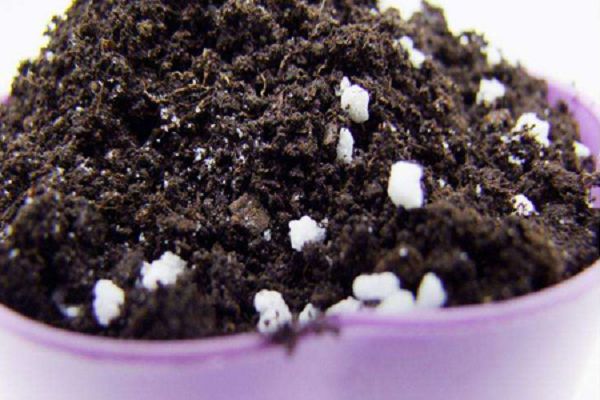
I. Leaf mold
1. Advantages: This flower soil is also called humus soil, made by composting and decomposing various plant materials. Its advantages are that it is loose, has good air permeability, and has particularly strong water retention. Mixed with other flower soils, it can improve the properties of the soil and enhance its fertility, and the organic matter and small amounts of vitamins and auxins in this type of soil can promote plant growth rate. Most importantly, the high temperatures required during its decomposition and fermentation can kill insect eggs in the soil and reduce pest damage.
2. Preparation method: Collect fallen leaves, fruit and vegetable peels, peanut and melon seed shells, rotten fruit and ordinary garden soil, prepare a large container, lay garden soil at the very bottom and spray with water, then lay a thick layer of fallen leaves, then lay another layer of garden soil and spray with water, then lay a thick layer of fruit and vegetable peels, then lay another layer of garden soil and spray with water, and so on. After laying, tightly wrap the container with plastic film and tie it securely, then place it in a warm and humid place to rest for about 15 days.
II. Garden soil
1. Advantages: It is the best flower soil for growing vegetables or beans, rich in humus, and has relatively good physical properties.
2. Disadvantages: When the water content is too high, its air permeability is not very good.
3. Preparation method: Collect it from the woods, sun-dry it thoroughly and use it. Note that soil dug out from urban construction sites cannot be used directly.