Amis Cuisine: A Slashie PhD Teams Up with an Amis Chef to Explore the Essence of Finding Joy in Bitterness
(Continued from the previous article) After seven years in Germany seeking knowledge, Wu Chin-yi became, through a stroke of fate, the final or closing disciple of several "master-level" professors, allowing him to absorb the essence of farmland landscapes, agricultural development, environmental sustainability and national spatial planning, and to bring back to Taiwan a long-awaited genealogy of knowledge and practical guidelines. After earning his degree, Wu Chin-yi gave up a high salary of 6,000 euros per month and returned to Taiwan from Germany. "I went abroad in order to come back home, so why would I use what I learned abroad to help foreigners?" he said.
Building an Amis Cuisine, Using the Right Cooking Methods to Express the Cultural Meaning of Ingredients
After returning to Taiwan, his godmother had already moved to Hualien City to enjoy family life and no longer held banquets. Wu Chin-yi rented a house alone in Tafalong and helped the county government with some planning project reviews. Later, the landlord wanted to take back the rental, which troubled him so much that when he went back to Zhongli for the Lunar New Year, he vented his troubles to the Taizi Ye. "The Taizi Ye instructed me to look at the XX real estate website, and there would be a house suitable for me." Amazed that even the Taizi Ye had gone digital, Wu Chin-yi opened his computer to check, and only then learned that the old house facing Cacora'an, the sacred mountain of the Mata'an tribe, was actually for sale. Even though that day was Lunar New Year's Eve, when every trade and profession was on holiday, he immediately called the real estate agent, and after many twists and turns, he bought his dream house.
That was in 2014. After acquiring the two-story old house, Wu Chin-yi gradually fixed up the second floor as a residence, and the idea of opening a restaurant on the first floor slowly grew. Promoting Amis culture through food already had many precedents, but to Wu Chin-yi, those merely used Amis ingredients; they were not Amis cuisine.
No matter the ethnic group, finding ingredients by the mountains and waters is human nature, and you cannot claim to have ascended to that cuisine just by using those ingredients. "The most important thing in cuisine is flavor. With the same ingredients, why the Amis cook them this way is exactly where culture is embodied," he stressed repeatedly.
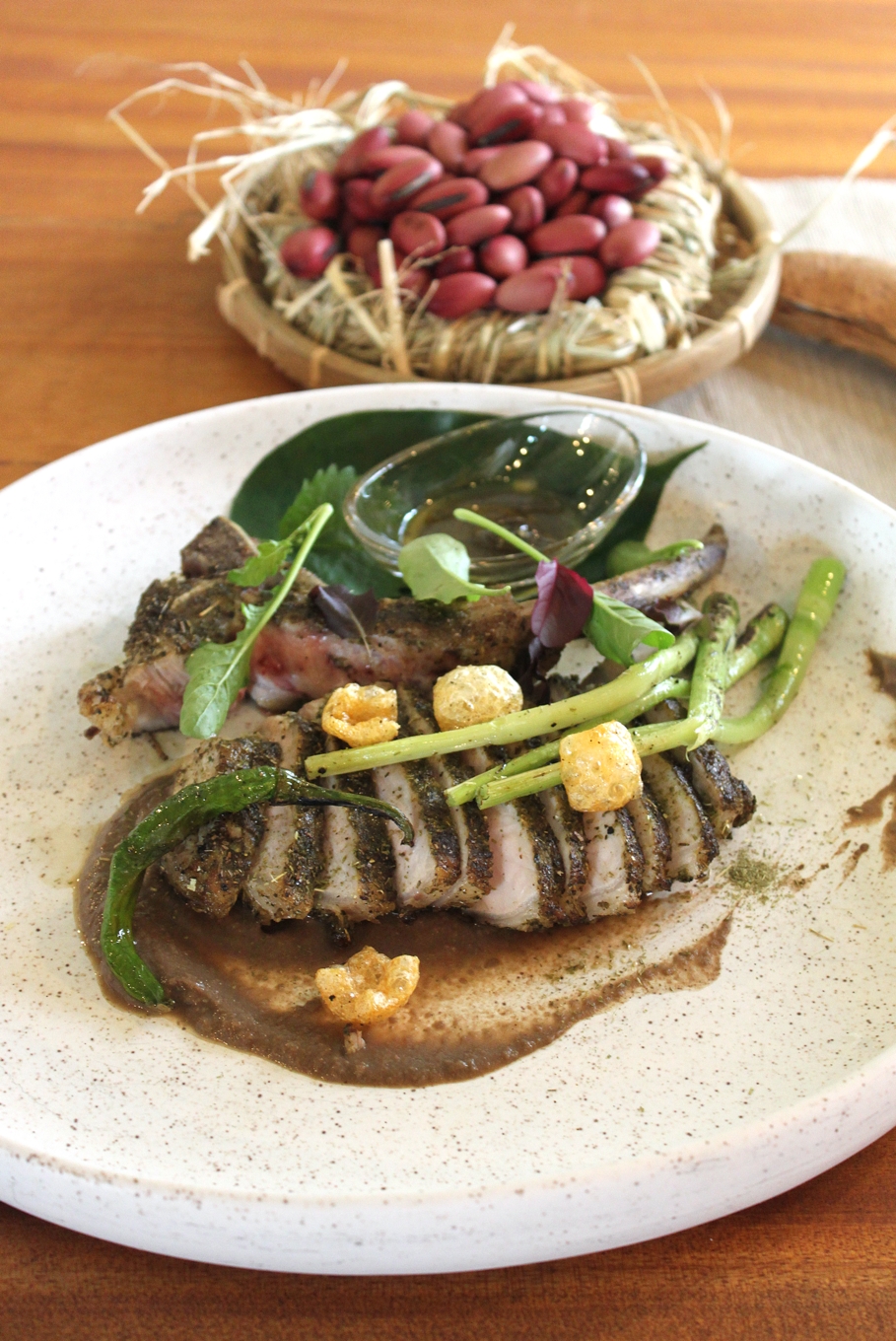
The True Meaning of Bitterness in Amis Cuisine: Cooking Out the Sweetness in Bitterness, the Moisture in Astringency
For example, the Amis like bitterness: when cooking fish they add the innards, when cooking meat they add bile, and the "bitter to the extreme" Ethiopian eggplant as well as various wild vegetables must all be presented in their original flavor. Cooking out the sweetness in bitterness and the moisture in astringency is the correct taste. This cuisine, a style unto itself, should be regarded as a special cuisine. When the wider world uses cooking methods to mask bitterness and astringency, what is actually being masked is Amis cultural meaning.
Confirming such a direction was already not easy, and finding a partner to work with was even harder. Wu Chin-yi waited a full five years, and the restaurant's most important soul figure, the chef, did not appear until last year.
The Amis chef Looh has a formal culinary education. He studied food and beverage both in vocational high school and at a university of science and technology, and from the third year of vocational high school he specialized in French cuisine. However long he studied, that was how long he worked part-time in restaurants, and after his military service he spent another four years as head chef at a French restaurant in Taipei, showing considerable presence as a young man in charge. Yet the bustling city, for all its splendors, was to Looh simply missing the taste of his hometown, the flavor of Pangcah cuisine.
Raised in Guangfu by his maternal grandparents in a skip-generation arrangement during childhood, Looh last year wanted to return to the tribe, to follow the vine of taste memory and recreate the essence of Amis cuisine. "What I can least stand is calling dishes from stir-fry shops, like bird's-nest fern stir-fried with fermented black beans or peeled chili stir-fried with beef, indigenous cuisine." He complained with a frown.
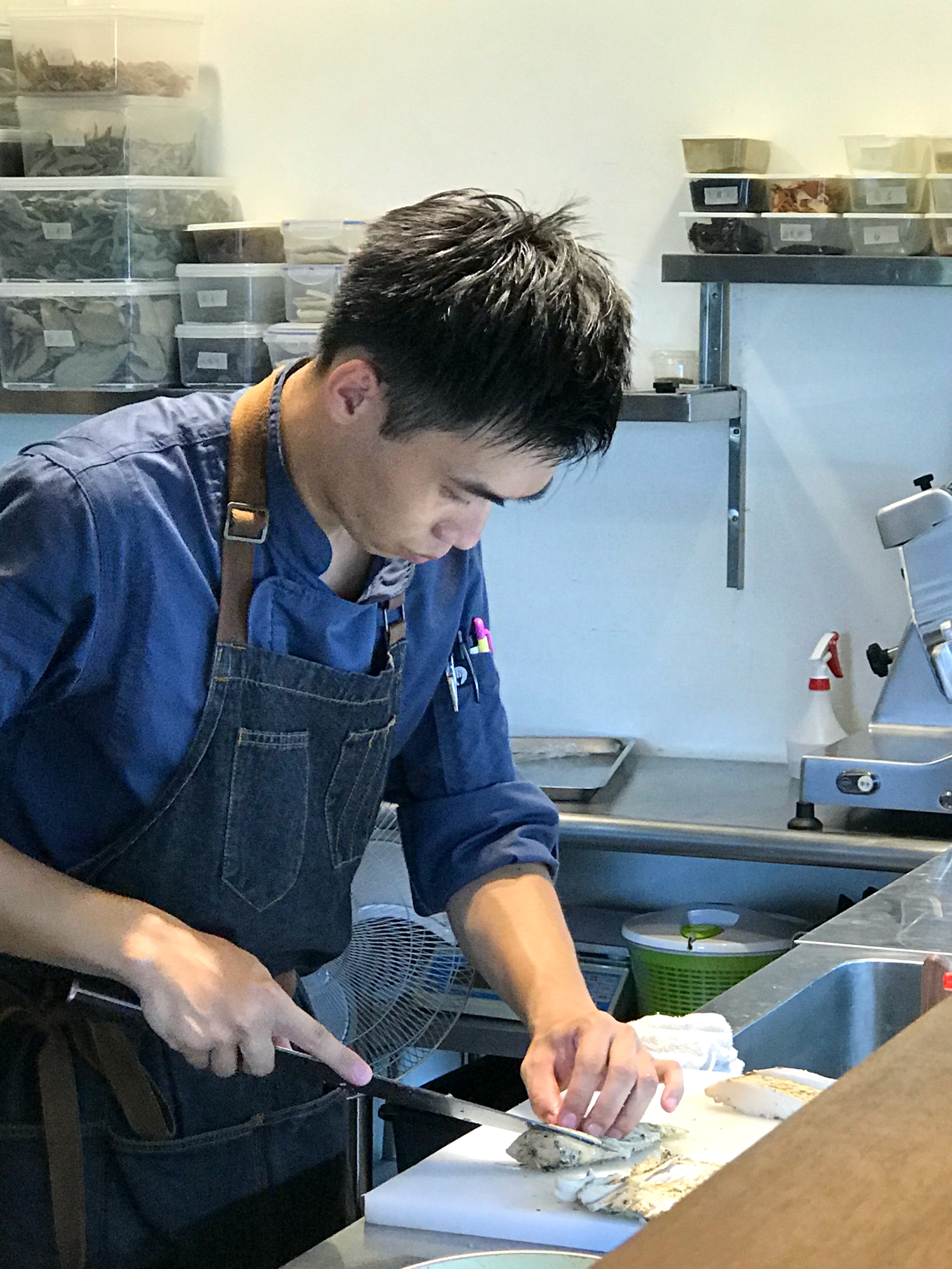
The Amis Chef Returns Home to Recreate the Essence of Amis Cuisine
Looh says the Amis are a "herb-eating people" who find joy in bitterness, and that a meal absolutely must have a bitter and astringent taste to be authentic. Even if the degree of bitterness is toned down, there must still be a bitter and astringent undertone. His ideas coincided with Wu Chin-yi's, and once the two were matched, they decided to tie the knot. They put down roots in Tafalong tribe and together had a child named Aredetay (Aleledai).
In Amis culture, when you eat a delicious dish you exclaim "arede" (with tay added it becomes a noun), and this emotion toward good flavor became the name of their shop. At first, Wu Chin-yi and Looh told the tribe's language teachers and elders about their idea for opening the shop
Related Articles
- How to prevent and control rabies in dogs? Timely vaccination of puppies ensures safety
- How to Explore Keelung's Fishing Port Docks? Practical Tips for Picking Fresh Seafood
- The Slow Food movement advocates that how you eat matters more than what you eat, helping you eat your way to health
- How to Identify Inferior Cooking Oil? Key Points for Quality Control from Cultivation to Purchase
- Which agricultural activities require tax payment? The ranch court case clarifies the boundary of tax exemption
- Ractopamine, a lean meat agent, is banned; scientific pig farming to increase lean meat percentage is the right path
- Horizontal Windbreak Nets for Welsh Onion Cultivation in Winter Reduce Losses
- Top Ten Fungicides Ranking Released, a Useful Reference for Farmers Choosing Products