How to care for potted flowers after late autumn arrives
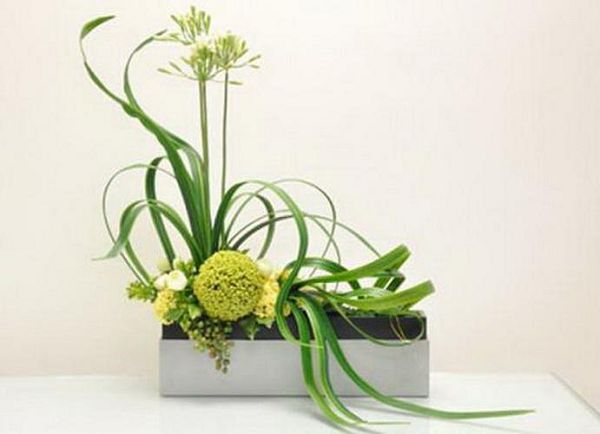
After autumn begins, water and fertilizer management should be handled differently according to the habits of different flowers. For foliage plants, generally apply a dilute liquid fertilizer once every 15 to 20 days to keep the leaves green and improve cold resistance; for flowers that bloom once a year, as well as some ornamental fruit plants, in order to promote abundant flowering and full fruit, 1 to 2 more applications of dilute liquid fertilizer mainly based on phosphorus fertilizer should also be given, otherwise, with insufficient nutrients, not only will there be fewer and smaller flowers, but bud drop may also occur. For flowers that bloom multiple times a year, fertilizer and water should continue to be supplied; but for most flowers, in northern regions, no more fertilizer is applied after Cold Dew, to help them overwinter.
Pruning and shaping
After autumn begins, when the temperature is around 20°C, most flowers tend to sprout many tender branches. Apart from keeping some as needed, the rest should be cut off promptly to reduce nutrient consumption. The retained tender branches should also be pinched promptly. For chrysanthemums, dahlias, Chinese roses and camellias, after buds appear in autumn and once the buds grow to a certain size, apart from keeping one well-growing main bud at the top, all the other side buds should be removed.
Autumn cuttings
In autumn, combined with pruning, the survival rate of flower cuttings is also very high, such as cuttings of Chinese roses.
Collect seeds in time
The seeds of many flowers mature one after another around Mid-Autumn and need to be collected in time. After harvesting seeds of scarlet sage, morning glory and others, remove impurities and dry them, then put them in cloth bags and store them in a low-temperature, ventilated place. For some seeds with thicker seed coats, such as tree peony, Chinese peony, banana shrub and magnolia, after harvesting, the seeds should be buried well in moist sandy soil.
Sow at the right time
Biennial or perennial herbaceous flowers cultivated as annual or biennial, such as calendula, China pink and daisy and other outdoor flowers, as well as greenhouse flowers such as cineraria, cyclamen and gloxinia, and flowers that easily lose germination capacity after collection such as African daisy, delphinium, primula species and begonia species, are all suitable for autumn sowing.
Move indoors at the right time
In northern regions, after Cold Dew, most flowers should be moved indoors one after another for overwintering according to their cold resistance, so as to avoid cold damage. Under normal circumstances, for clivia, hibiscus, fuchsia and cactus, it is better to move them indoors when the temperature drops to around 5°C. Potted grapes, Chinese roses and figs need to be frozen for a period at -5°C to promote dormancy, and then moved into a cold room (around 0°C) for storage. Flowers that have just been moved indoors all need attention to ventilation.