How to sow and raise flower seedlings? Methods and key technical points explained
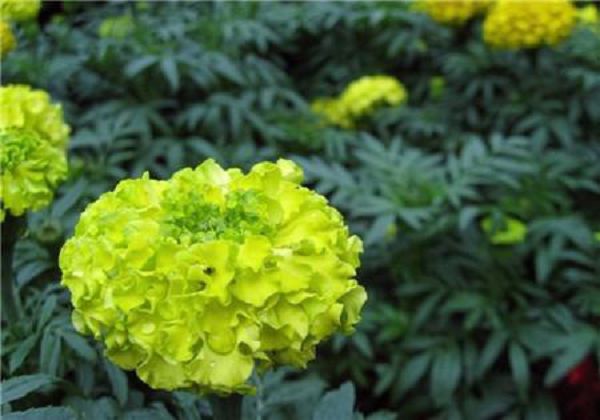
Only through sowing can robust seedlings be cultivated, and only with seedlings can flowers be grown. Mastering the methods of sowing and raising flower seedlings is what allows successful seedling raising and the cultivation of beautiful flowers.
Preparation before sowing flowers
1. Seed soaking
Seeds with thinner seed coats can be soaked in cold water, those with thicker seed coats can be soaked in warm or hot water, and very tiny seeds need not be soaked.
2. Prepare seedling trays/pots
The advantages of seedling pots are saving seeds, uniform nutrients, uniform sprouting, easy transplanting, and easy counting of the seed germination rate. When sown directly in the ground, soil temperature and moisture are hard to control, and the soil may contain microorganisms harmful to seed germination and growth.
3. Seedling substrate
Choose a clean substrate that is loose, well aerated, and good at retaining fertilizer and water; peat moss, coconut coir, vermiculite, etc. can be mixed and used together.
4. Filling the pots
After mixing the substrate evenly, fill the pots; there is no need to compact it, just level the soil surface.
5. Watering
Control the water flow, and slowly water the pot soil thoroughly; after watering, a fungicide can be applied to disinfect the soil.
The sowing process for flowers
1. Sowing density
When sowing in plug trays, sow 1 or more seeds per cell; when sowing in seedling pots, sow 1-2 seeds per sq m.
2. Sowing
When flower seeds are relatively large, they can be scattered evenly over the substrate, or drilled or dibbled; when flower seeds are relatively small, the seeds can be mixed evenly with clean fine sand before sowing.
3. Sowing depth and covering with soil
Sowing depth is determined by seed size and the seeds' light requirement for germination; generally speaking, the sowing depth is 2-3 times the seed diameter.
4. Misting
After sowing and covering with soil, water with a fine mist nozzle, and water thoroughly.
5. Covering
Cover the sowing tray with glass, ground film, or plastic film, which can maintain air humidity and, in winter, preserve and increase warmth. In summer when temperatures are relatively high, the film may be omitted; if covered with film, ventilation on both sides must also be maintained.
Management after sowing flowers
1. Temperature
Generally speaking, the germination temperature of seeds is between 20-25 degrees; an appropriate temperature environment should be provided according to the requirements of the flower variety.
2. Humidity
When raising seedlings in winter, replenish water less; when raising seedlings in summer, replenish water at any time according to the actual situation.
3. Light
Generally speaking, seeds germinate easily under light conditions; after the seeds germinate, if they do not receive light, the seedlings will grow leggy.
4. Remove the covering
After the seeds germinate, promptly remove the covering, but still maintain the temperature of the substrate, so that ungerminated seeds can shed their seed coats.
5. Transplanting
When the seedlings have grown to a certain size, transplant them promptly, otherwise the seedlings will grow leggy or production will be delayed.