Autumn Management Methods and Care Points for Potted Flowers
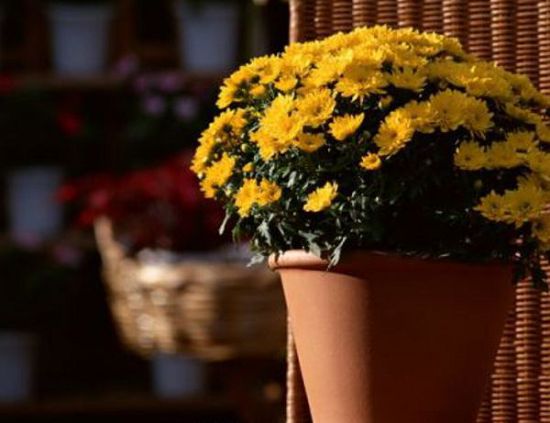
In autumn, the weather gradually turns from cool to cold. At this time, the management of potted flowers should pay special attention to the following management aspects.
(1) Appropriate water and fertilizer: After the beginning of autumn, water and fertilizer management must be adjusted according to the growth habits of different potted flowers. For autumn chrysanthemums, wintersweet, camellias, rhododendrons, wintersweet, and others that bloom multiple times a year, apply 2 to 3 additional liquid fertilizers mainly based on phosphorus fertilizer in time; otherwise, not only will the flowers be few and small, but bud drop will also occur. For roses, Madrid, jasmine, and others that bloom several times a year, a relatively ample supply of water and fertilizer should continue to be provided to promote continuous blooming. For most potted flowers, after the Cold Dew solar term in North China, generally no more fertilizer should be applied, so as to help them overwinter. As the temperature decreases, except for plants that bloom in autumn and winter or early spring and autumn-sown herbaceous flowers, which may continue to be watered normally according to the actual needs of each potted flower, for other potted flowers the watering frequency and amount should gradually be reduced to prevent excessive water and fertilizer, causing excessive vegetative growth, harming flower bud differentiation, and exposing them to cold damage.
(2) Pruning and shaping: After the beginning of autumn, when the temperature is around 20°C, most potted flowers tend to sprout many young shoots. Apart from keeping some as needed, the rest should be cut off promptly to reduce nutrient consumption. The retained young shoots should also be pinched promptly. For chrysanthemums, dahlias, roses, jasmine, and others, after buds appear in autumn and the flower buds grow to a certain size, apart from keeping one well-growing large bud at the top, all other side buds should be removed.
(3) Collect seeds in time: The seeds of many potted flowers mature one after another around mid-autumn and must be collected promptly. Seeds such as scarlet sage, cypress vine, and morning glory should be cleaned, dried in the shade, put into bags, and stored in a cool, low-temperature place. For some seeds with overly thick seed coats, such as peony, Chinese peony, magnolia, and Michelia, after collection the seeds should be buried in damp sand for stratified sand storage.
(4) Sow at the appropriate time: Biennial or annual herbaceous flowers grown as annual or biennial plants, such as snapdragon, dianthus, and daisy, as well as greenhouse flowers such as cineraria, cyclamen, and gloxinia, and flowers such as African daisy, delphinium, primula, and begonia that easily lose germination ability during collection, are all suitable for autumn sowing.
(5) Move indoors at the right time: After the Cold Dew solar term in North China, most potted flowers must be moved indoors one after another for overwintering according to their degree of cold resistance, to prevent cold damage. The main timing for moving them indoors varies by flower. For most potted flowers, when the weather has just turned cool, there is no need to rush them indoors. Moving them indoors too early harms nutrient accumulation and adversely affects growth the following year. Therefore, under the premise of not suffering cold damage, it is better to move them indoors somewhat later.