How do you mix potting soil for flowers? Just master these key points
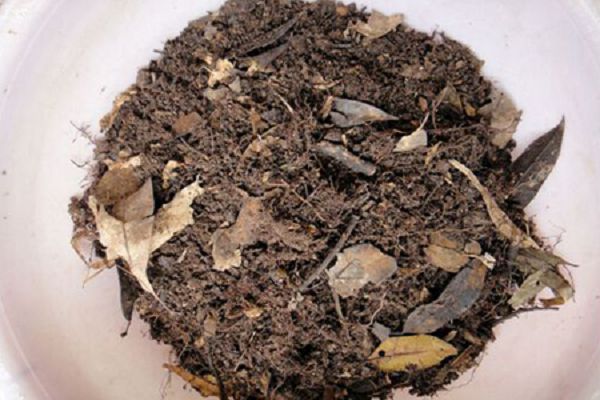
Choose a suitable substrate according to the growing conditions of the flowers, mainly including garden soil, leaf mold, pond mud, and so on. To promote better growth, some materials should also be chosen for blending. To increase water permeability, coarse sand can be added. To increase nutrients, bone meal can be added in an appropriate amount. Acidity and alkalinity should also be considered. To increase acidity, vinegar can be diluted with water and poured on. To reduce acidity, lime powder or plant ash can be mixed in.
1. Soil selection
Choose a suitable substrate according to the growing conditions of the plant. Garden soil is loam taken from vegetable gardens or orchards. Its characteristics are that it is relatively soft, has good permeability, and also contains a large amount of nutrients, making it suitable for many types of flowers. Leaf mold is soil dug from places with dense trees. It contains many rotted leaves and can provide a large amount of nutrients. Pond mud is sludge from rivers and ponds. Its advantages are strong fertility and relatively good drainage.
2. Blending
To promote better growth, some materials should also be chosen for blending. To increase water permeability, some coarse sand can be added. To increase nutrients, bone meal can be added in an appropriate amount. These can all be blended according to need.
3. Acidity and alkalinity requirements
Most flowers are suitable for slightly acidic soil, such as rhododendrons, osmanthus, camellias, orchids, and so on. Under long-term cultivation, the soil may tend toward alkalinity. If you want to increase acidity, you can dilute vinegar with water and pour it on. If you want to reduce acidity, you can mix in some lime powder.