The Complete Soil Mix Guide for Common Household Flowers: Super Simple and Practical
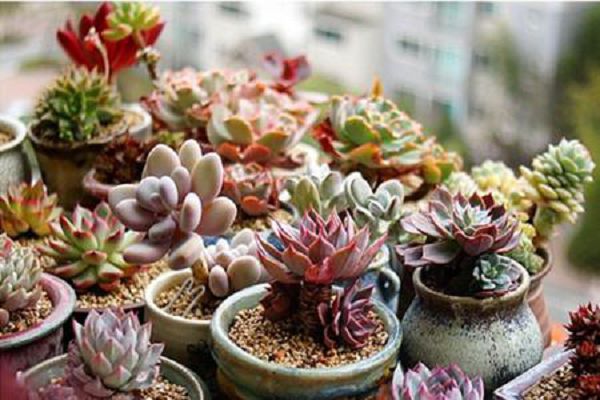
Why do plants always end up dying or failing to thrive? Besides watering and light, there is one more thing that is very important but often overlooked: the soil mix. Today Huahua will learn together with everyone the soil mixing methods for common household flowers.
Succulent Soil Mix Methods
Soil Mix for Leaf Cuttings, Beheadings, and Sowing
Humid climate:
3 parts seedling peat, 2 parts perlite, 5 parts vermiculite.
Dry climate:
2 parts seedling peat, 2 parts perlite, 6 parts vermiculite.
Soil Mix for Mature Plants
Humid climate:
4 parts peat and coconut coir, 1.5 parts perlite, 1 part vermiculite, 3.5 parts akadama (or orchid stone, river sand).
Dry climate:
6 parts peat and coconut coir, 1.5 parts perlite, 1.5 parts vermiculite, 1 part akadama (or orchid stone) (optional: if long-term ventilation is not possible or there is no green space around a concrete jungle, you can add a little bit of fertilizer, clean chicken manure is fine).
Soil Mix for Old Stumps
Humid climate:
0.5 parts perlite, 1.5 parts vermiculite, 8 parts akadama (or orchid stone, river sand).
Dry climate:
2 parts peat and coconut coir, 0.5 parts perlite, 2 parts vermiculite, 5.5 parts akadama or (orchid stone, river sand).
Rose Soil Mix Methods
Small Seedlings, Bare-Root Seedlings
Mix one:
3 parts peat, 1 part vermiculite (can be replaced with sand or perlite), 1 part garden soil (this mix has a high peat content, so pay attention to controlling watering frequency);
Mix two:
1 part peat, 1 part vermiculite (can be replaced with sand or perlite), 3 parts garden soil; for small seedlings and bare-root seedlings, it is not recommended to add base fertilizer.
Medium Seedlings, Large Seedlings
Soil mix:
4 parts garden soil, 3 parts leaf mold, 2 parts sandy soil (can be replaced with vermiculite or perlite), 1 part organic fertilizer at the bottom of the pot such as: bone meal, cake fertilizer, decomposed sawdust, chicken manure, barnyard manure, with a layer of expanded clay pebbles at the very bottom.
Note 1:
Do not let the plant roots come into direct contact with the organic fertilizer at the bottom of the pot; the organic fertilizer should be sandwiched between the soil and the expanded clay pebbles, and should not be too much.
Note 2:
The organic fertilizer must be fully decomposed; after decomposition, it can be dried in the sun to sterilize and disinfect, making it safer to use.
Clivia Soil Mix
Formula for Growing Leaves
Applicable seasons:
This method can be used in all three seasons: spring, autumn, and winter.
Soil mixing method:
50% leaf mold, 30% pine needles, 10% coarse sand, and the other 10% is fertilizer such as hemp seeds and bone meal; if there is no bone meal or hemp seeds, bury a small amount of roasted unsalted sunflower seeds at the bottom, and place some charcoal or coal cinders below the sunflower seeds for air and water permeability.
Advantages:
With this mix, when Clivia is planted in a ceramic pot, water about once every 4-7 days. With plenty of fertilizer and sufficient water, the leaves grow very quickly.
Formula for Growing Roots
Applicable season:
Use in summer.
Soil mixing method:
30% leaf mold, 40% pine needles, 15% coarse sand, 10% fertilizer such as hemp seeds and bone meal, plus an extra 5% expanded clay pebbles and perlite, with a layer of charcoal or coal cinders at the bottom.
You can buy a small amount of charcoal from a barbecue stall, break it into pieces the size of soybeans, and use it as a drainage layer at the bottom.
Advantages:
With this mix, in a Clivia ceramic pot, water about once every 2-3 days. The leaves grow a bit more slowly, but because the air permeability is very good and the water retention is relatively poor, it promotes the growth of new roots.
Asparagus Fern Soil Mix Method
Soil mix:
Mix 1 part leaf mold, 2 parts garden soil, and 1 part river sand as the growing medium.
Note:
When planting, add a small amount of decomposed livestock manure at the bottom as base fertilizer.
Soil Mix for Foliage Plants Such as Spider Plants, Pothos, and Ivy
Seedling stage
Soil mix:
4 parts leaf mold, 3 parts garden soil, 2 parts river sand
Growing stage
Soil mix:
3 parts leaf mold, 3 parts garden soil, 3 parts river sand
Soil Mix for Large Plants Such as Money Tree, Radermachera, and Dracaena
Soil mix 1:
6 parts garden soil, 2 parts decomposed organic fertilizer, 2 parts coarse sand.
Soil mix 2:
8 parts leaf mold, 2 parts coal cinder ash.
Acid-Loving Plants Such as Gardenia, Camellia, and Azalea
Soil mix:
6 parts peat soil, 4 parts coarse sand, 0.5 parts bone meal.
Soil Mix for Common Herbaceous Flowers Such as Petunia, Verbena, and Periwinkle
Soil for sowing
Soil mix: 5 parts leaf mold, 3 parts garden soil, 2 parts river sand.
Soil for transplanting
4 parts leaf mold, 5 parts garden soil, 1 part river sand, 0.5 parts bone meal.
With such a simple and straightforward soil mixing method, have you little darlings learned it? If you have an even more awesome and impressive exclusive soil mixing method, then tell Huahua and more flower lovers in the comments! Love you, mwah.