Dormant-Period Care Methods and Precautions for Flowers
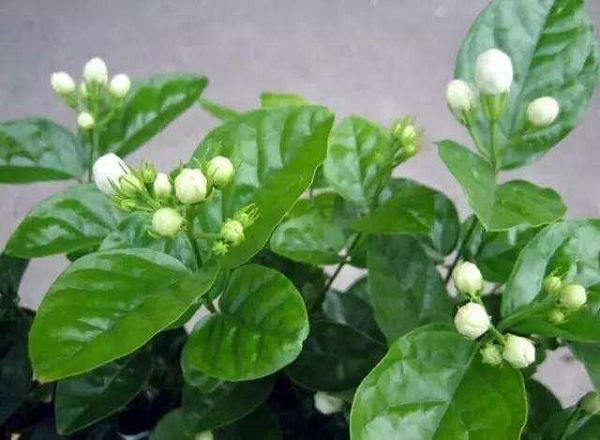
In winter, some flowers often have a dormant or semi-dormant period. At this time, the plant's water content decreases, stored substances increase, metabolism weakens, and exchange of substances with the outside slows down. In response to these issues, these flowers often need to be carefully tended in winter.
Watch the Room Temperature
During the dormant period of flowers, avoid excessively high room temperature, otherwise it will affect the plant's normal dormancy, cause excessive consumption of nutrients, affect growth and flowering the following year, and in severe cases lead to death.
For common flowers such as white orchid (Michelia alba), azalea (Rhododendron), osmanthus (Osmanthus fragrans), and orange, keeping the room temperature above 5°C is enough for them to overwinter, with 12°C being optimal; for banana shrub (Michelia figo), Aglaia odorata, jasmine (Jasminum), and Chinese hibiscus (Hibiscus rosa-sinensis), a room temperature of 10°C is suitable; for winter jasmine (Jasminus nudiflorum), oleander (Nerium oleander), Chinese rose (Rosa chinensis), fig (Ficus carica), pomegranate, and conifers and cypresses, high temperatures are even less suitable, and a room temperature not lower than 0°C allows them to overwinter safely.
Control Water and Fertilizer
For flowers that have entered the dormant period, the supply of water and fertilizer must be strictly controlled. Too much watering can very easily cause root rot and yellowing and dropping of leaves.
For example, for cineraria (Pericallis hybrida), cyclamen (Cyclamen), calla lily (Zantedeschia), fuchsia (Fuchsia), and epiphyllum (Epiphyllum), water can continue to be supplied as needed, but all flowers that have entered dormancy should have watering controlled, such as banana shrub (Michelia figo) and jasmine (Jasminum); especially for shade-tolerant or fleshy-rooted varieties, such as Chinese evergreen (Aglaonema), split-leaf philodendron (Monstera deliciosa), sago palm (Cycas revoluta), and orchids, the potting soil should be slightly drier than in summer and autumn; for others such as certain cacti, watering should be restrained even more, as long as the soil does not dry out completely.
In addition, flowers in the dormant period should be given little or no fertilizer, so as to avoid prematurely stimulating new shoots, which would affect flowering the following year or expose them to frost damage.
Shaping and Pruning
For some flowers that go dormant in winter, when early spring growth is about to begin, shaping can be combined with cutting off leggy branches, thin and weak branches, diseased and pest-infested branches, and overly dense branches, so as to improve ventilation and light penetration, concentrate nutrients, and nurture more and fuller flower buds.
For some varieties, such as jasmine (Jasminum), the branches can be left at 20 cm and the rest cut off; overly old branches can be cut off from the base to stimulate the growth of robust new branches. Azaleas (Rhododendron) and camellias (Camellia) generally do not need major pruning; simply cutting away a moderate amount of overly dense or overly long branches is enough.
Prevent Pollution
When potted flowers are placed indoors for too long, a lot of smoke and dust often accumulates on the leaf surface, which can easily pollute the leaves. In the early stage, dark brown mold spots appear on the surface of the flowers and leaves; over time, a black soot-like layer forms, affecting the plant's photosynthesis while also slowing the growth of the flowers and causing disease. Therefore, when growing flowers indoors, especially in rooms heated by coal fires, attention should be paid to preventing smoke and dust pollution, and water close to room temperature should often be used to rinse the floating dust off the leaf surface.