What are the reasons flowers and plants are harmed by water imbalance
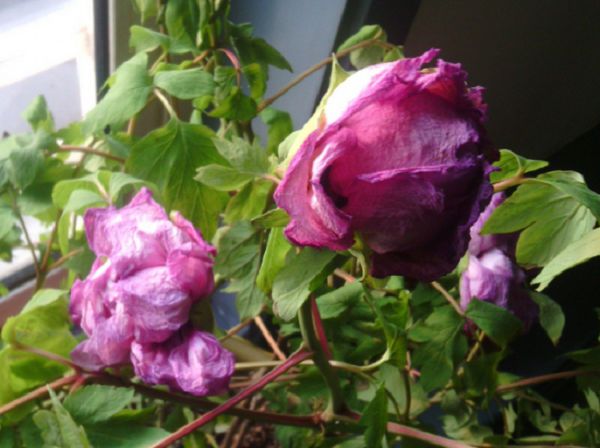
Water imbalance manifests as two types: drought and waterlogging.
The degree of harm drought causes to flowers and plants varies with the species. Broadly, it is divided into two categories: direct harm and indirect harm. Direct harm occurs because when drought strikes, water in the soil is lacking; after the leaves lose water through transpiration and cannot replenish it, the cell protoplasm dehydrates, directly destroying the cell structure and causing the plant to die. This kind of harm is generally irreversible. Indirect harm occurs after cell dehydration, which disrupts energy metabolism within the flower and plant, blocks the absorption and transport of nutrients, and affects the plant's growth and development. This process is relatively slow and usually does not cause the plant to die.
The reasons waterlogging causes flowers and plants to die are the following two points:
1. Too much water reduces the air in the soil, causing soil oxygen deficiency; root respiration weakens, and over time this will suffocate the flowers and plants to death.
2. Too much water causes a sharp drop in oxygen and an accumulation of carbon dioxide in the soil, lowering the soil's redox potential, thereby inhibiting the activity of aerobic bacteria and promoting the activity of anaerobic bacteria. The metabolism of anaerobic bacteria produces various organic acids (formic acid, oxalic acid, lactic acid, etc.), or produces toxic substances such as hydrogen sulfide and methane, which hinder the respiration of the flower and plant roots and the release of nutrients, causing the roots to be poisoned, rot, and even die.