How to rescue frostbitten flowers? They can still survive even with damaged branches and leaves
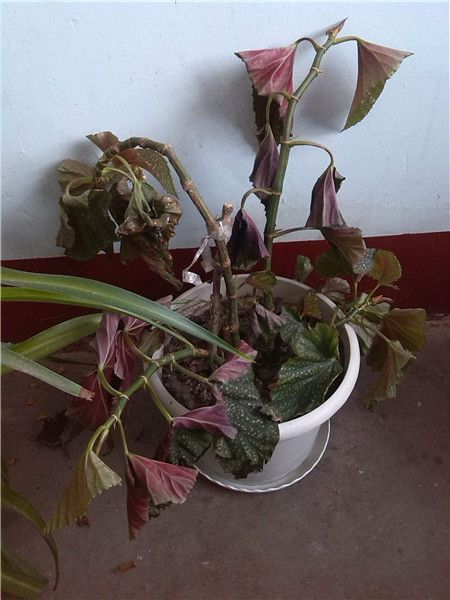
In winter, when temperatures are on the low side, many flower growers may face a serious problem: flowers freezing. You should know that if you accidentally fail to take proper anti-freezing measures, or if the flowers are exposed to cold wind, these can all cause flowers to freeze. Flowers that are not handled well may very likely end up with the plant freezing to death. So, when faced with these frostbitten flowers, are you still at a loss about what to do? Don't worry, the editor will tell you how to handle it.
Signs that flowers have frozen
Before dealing with the problem of frostbite, the editor wants to first introduce the signs shown when flowers are frostbitten, so that more flower growers can identify the cause of the problems appearing in their flowers.
First, in terms of color, for frostbitten flowers, the originally green leaves will become lighter in color, and overall they look light brown; second, on the leaf surface, wrinkles will appear, the leaves become limp and lifeless, and they may even drop. When you find that a plant shows these two conditions in winter, there is no need to wonder - congratulations, your flowers have been frostbitten because of your mistake.
Have you started blaming yourself? Don't blame yourself, just learn with the editor how to handle it.
How to handle frostbitten flowers
Many people, when handling frostbitten flowers, fall into a mistaken approach: directly placing the flowers in a warm place. Little do they know that this method is completely wrong.
For mildly frostbitten flowers, move them to a position with a temperature of around 5°C above zero to let them recuperate. This process may take some time, and you cannot rush it too much, because plants also need time to heal themselves. In addition, during this period, you absolutely must not water them.
For severely frostbitten flowers, the handling method is definitely different from that for mild cases. At this time, we should no longer hold out hope for any branches or leaves. The top priority now is to protect the roots, to ensure that after some time the flowers can sprout again.
Cut off the branches and leaves that have already been damaged by freezing, observe whether the stems and roots are still alive, then apply some medicine on them and let them dry, to prevent infection. After that, wait until the soil in the flowerpot has completely dried before watering, and then just quietly wait for it to sprout again the following spring.
This still requires us to be meticulous and careful during the care process, always paying attention to changes in weather and temperature, to prevent frost damage from occurring. Only in this way can the flowers we love remain unharmed.