Detailed Explanation of Soilless Cultivation Methods and Technical Points for Flowers
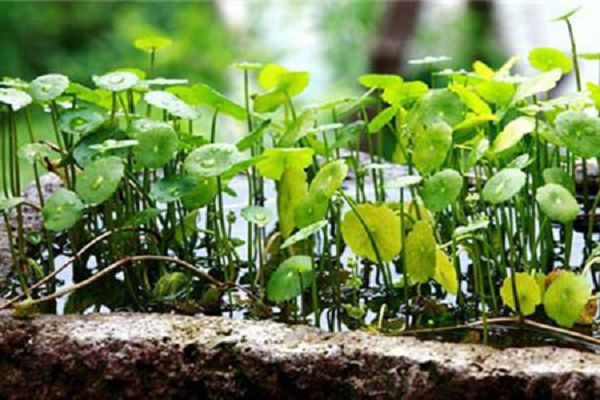
Advantages of soilless cultivation: no space restrictions, and flowers grow more healthily. Selection of nutrient solution: choose a suitable nutrient solution according to the type of plant being grown soillessly. Replacing the nutrient solution: when growing flowers indoors, replace it every 3-4 days; when replacing, thoroughly rinse the growing medium with clean water, then pour in the new nutrient solution diluted with water, otherwise the concentration of the water will become higher and higher.
What Is Soilless Cultivation
Some home flower growers in southern China often put stem sections of lucky bamboo (Dracaena sanderiana) without roots in a vase of water. In about 10 days they will take root and grow well, and after rooting there is no need to plant them in potting soil. Some other flowering plants, such as bamboo-section dieffenbachia (Aglaonema), can also be grown and displayed this way, which is called "water culture."
Most people think that soilless cultivation means water-culture flower growing, but this is not actually the case. Water culture is only one method within soilless cultivation. For a plant to be displayed for ornament, the plant must first be fixed in place so that it stands upright and grows without falling over; this requires using the granular growing medium sold in flower shops, or bean stone, perlite, etc., to fix the root system, and then pouring water in for cultivation. Other commonly used methods include gravel culture, sand culture, vermiculite culture, asbestos block culture, and plastic granule culture, which are collectively called soilless cultivation.
Advantages of Soilless Cultivation
No Space Restrictions
Today, as urban homes develop toward vertical, three-dimensional use of space, soilless cultivation is especially suited to growing flowers in scattered small areas such as windowsills, balconies, hallways, and desktops. Growing flowers with soilless cultivation can eliminate underground pests and diseases, will not give off bad odors from fertilizing potting soil, and does not require mixing potting soil, saving the trouble of loosening soil, weeding, and repotting and changing soil.
Flowers Grow More Robustly
More importantly: when flowers are grown in potting soil, nutrient loss is as high as 40% – 60%. In soilless cultivation, nutrient loss generally does not exceed 10%. If cultivation is done properly, flowers and trees generally grow more robustly than those grown in potting soil.
Methods of Soilless Cultivation
Selection of Nutrient Solution
When soilless cultivation is carried out in flower farms, the nutrient solutions are all prepared on site according to the different needs of various flowers and trees. The operation is quite complicated and involves many issues, such as the composition of nutrient elements, the concentration of the nutrient solution, the effectiveness of the nutrient components, the consumption and replenishment of nutrient elements, and the testing of pH. When home flower growers carry out soilless cultivation, they neither have the conditions nor the need to prepare nutrient solutions themselves, so just buy ready-made ones.
Replacing the Nutrient Solution
Nutrient elements gradually oxidize and undergo photochemical changes inside the flower-growing container, and the pH will also lose balance, so they should be replaced in time. When growing flowers indoors, replace it every 3-4 days. When replacing, the growing medium must be thoroughly rinsed with clean water, then pour in the new nutrient solution diluted with water, otherwise the concentration of the water will become higher and higher.