Keep These Potentially Deadly Flowers Out of Your Home
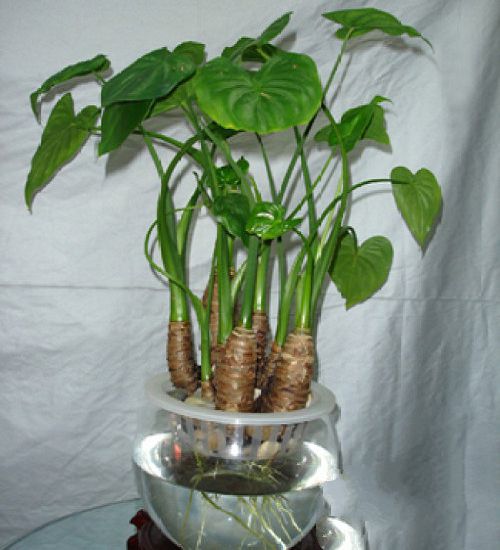
In Chengdu, a primary school student, out of curiosity, tore off a piece of a dumb cane (Dieffenbachia) stem and leaf and chewed a bite of it. As a result, the mouth swelled up immediately, and after being rushed to the hospital for emergency treatment, a critical condition notice was even issued at one point. At present, the student is out of life-threatening danger.
Experts point out that this is mainly because the white sap in the stem of the dumb cane and the water it drips are toxic. It is understood that skin contact with the sap of the dumb cane causes itching or strong irritation, and eye contact with the sap can cause severe conjunctivitis, or even blindness. After accidental ingestion, symptoms include nausea, discomfort in the throat and mouth, and a burning pain in the stomach; in severe cases, it can also cause suffocation and lead to death from cardiac paralysis. Therefore, families with children, especially young children, should not grow dumb cane. Young children have poor ability to distinguish things and low resistance, so once they come into contact with dumb cane, the consequences are unimaginable.
Some plants must not be put in the mouth, otherwise mild cases cause discomfort and pain in the mouth and throat, while severe cases lead to vomiting and so on. For example, if a child accidentally eats flamingo flower (Anthurium), the mouth will burn, swell, blister, and have difficulty swallowing, and the voice will also become hoarse. The leaves of yellow rhododendron and the nectar made from its pollen are both toxic; after accidental ingestion, the mouth feels as if it is on fire, and symptoms such as drooling, nausea, and vomiting appear. In addition, plants such as sensitive plant (Mimosa pudica), poinsettia, and zhuangyuan red are also toxic, so none of them should appear in families with young children.
If there are the above-mentioned toxic plants in the home, parents should keep children away from them as much as possible, and even more so should not let children touch, lick, or bite these plants. Once a child has a problem, send them to the hospital as soon as possible. On the way to the hospital, you can use your fingers to poke the child's throat to induce vomiting, reducing the threat of the toxin to the child.